

In the volatile world of crypto, where Ethereum hovers at $2,068.45 after a 4.33% dip over the past 24 hours, stability comes from innovation. EIP-7702 smart wallets paired with session keys are reshaping how we think about autonomous Web3 agents in 2026. These tools turn everyday externally owned accounts into powerful smart contracts, enabling AI agents to handle blockchain tasks without constant human oversight. As a portfolio manager with over a decade blending stocks and crypto, I've watched account abstraction evolve; this upgrade feels like the tipping point for scalable, secure automation.
EIP-7702 builds on ERC-4337's foundation, introduced in Ethereum's Pectra upgrade. It lets EOAs temporarily delegate code execution, adding a contract_code field to transactions. This means no more rigid key management; instead, users gain features like batching, gas sponsorship, and custom validation. On chains like Monad and Optimism, infrastructure is already live, inviting developers to test account abstraction EIP-7702 in real environments. I've integrated similar setups in my strategies, and the efficiency boost is undeniable; trades execute in bundles, slashing fees during dips like today's $2,034.87 low.
EIP-7702 Transforms EOAs into Agent-Ready Powerhouses
Picture this: your EOA, once a simple key holder, now runs smart contract logic on-demand. Sources like Openfort highlight batching and WebAuthn support in their Delegator Account, perfect for dApps. QuillAudits calls it a new era, where EOAs mimic smart wallets seamlessly. For developers, HackerNoon's guide shows code snippets turning regular wallets smart; it's straightforward, with Etherspot's free bundler handling the heavy lifting on Ethereum mainnet.
But the real game-changer? Security in volatility. With ETH at $2,068.45, agents need to act fast on opportunities without exposing full keys. EIP-7702 mitigates phishing risks through programmable limits, as recent arXiv research stresses. Fireblocks notes its role in agentic wallets, where AI autonomously manages DeFi, trades, and payments via protocols like x402. In my hybrid portfolios, this means diversification without the drag of manual interventions; agents enforce rules like "only trade if ETH stays above $2,000. "

Session Keys: Temporary Permissions for Keyless Blockchain Tasks
EIP-7702 session keys shine here, granting AI agents time-bound, scoped access. No more all-or-nothing private keys; sessions limit actions to specific contracts, amounts, or durations. Privy Docs and Web3Auth explain how this integrates with EVM upgrades, making smart wallet AI agents viable for everyday use. Alchemy's guides cover pairing it with 4337 for full abstraction stacks in 2025 and beyond.
Take LimeChain's vision: replace EOAs entirely with abstracted accounts. Session keys make this practical, especially for businesses. Coinbase's agentic wallets exemplify this, securing funds with MPC while AI executes strategies. I've advocated this in client portfolios; during ETH's 24-hour high of $2,176.29, an agent could have batched swaps across protocols, locking profits before the drop. Turnkey traces the history from 4337 to 7702, showing adoption surging as infrastructure matures.
Empowering Autonomous Agents in a $2,068.45 ETH Market
By 2026, keyless blockchain tasks will dominate, with EIP-7702 fueling AI-driven dApps. Platforms like SmartAgentKeys. com leverage this for session-key powered agents, automating workflows from trading to governance. Monad's docs position it as an EOA extension, ideal for high-throughput chains. Openfort adds session keys with batching, letting agents handle complex ops securely.
Security remains paramount amid concerns. Phishing vectors exist, but mitigations like spending caps and multi-sig delegation counter them effectively. In practice, this means agents thriving in choppy markets; at $2,068.45, mine monitor fundamentals and technicals autonomously, rebalancing without fatigue. The x402 protocol pushes further, enabling machine-to-machine payments. As adoption grows, expect agentic wallets to redefine portfolio management, blending my free-lunch diversification with AI precision.
Ethereum (ETH) Price Prediction 2027-2032
Projections amid EIP-7702 adoption, smart wallets with session keys, and growth of secure AI agents for autonomous blockchain tasks (baseline: 2026 price $2,068.45)
| Year | Minimum Price (USD) | Average Price (USD) | Maximum Price (USD) |
|---|---|---|---|
| 2027 | $2,200 | $4,000 | $7,000 |
| 2028 | $3,000 | $6,500 | $12,000 |
| 2029 | $4,500 | $10,000 | $18,000 |
| 2030 | $7,000 | $15,000 | $25,000 |
| 2031 | $10,000 | $20,000 | $35,000 |
| 2032 | $14,000 | $28,000 | $45,000 |
Price Prediction Summary
Ethereum's price is forecasted to experience substantial growth from 2027 to 2032, with average prices rising from $4,000 to $28,000 (over 13x increase), driven by EIP-7702 enabling smart EOAs, session keys for secure permissions, and AI agent proliferation in DeFi. Bullish scenarios reflect high adoption and tech synergies; bearish mins account for security risks, market cycles, and competition.
Key Factors Affecting Ethereum Price
- EIP-7702 Pectra upgrade facilitating account abstraction, transaction batching, and gas sponsorship
- Rise of agentic wallets for autonomous AI agents executing trades and DeFi tasks securely
- Session keys enabling programmable spending limits and multi-sig-like security
- Increased on-chain activity and DeFi TVL from AI-driven automation
- Institutional adoption boosted by improved UX and x402-like autonomous payments
- Regulatory developments and security mitigations addressing phishing risks
- Macro cycles, L2 competition (e.g., Monad), and Ethereum scalability improvements as influencers
Disclaimer: Cryptocurrency price predictions are speculative and based on current market analysis. Actual prices may vary significantly due to market volatility, regulatory changes, and other factors. Always do your own research before making investment decisions.
Developers are already building on this momentum. Etherspot's live infrastructure on Ethereum and Optimism offers censorship-resistant bundlers, streamlining EIP-7702 session keys deployment. Pair it with Openfort's Delegator Account, and you get session keys baked in for batched operations and WebAuthn logins. In my experience managing hybrid portfolios, this setup lets AI agents execute multi-step DeFi strategies, like yield farming followed by liquidity provision, without user prompts, all while ETH trades at $2,068.45.
Deploy Secure AI Agent Smart Wallets with EIP-7702 & Session Keys
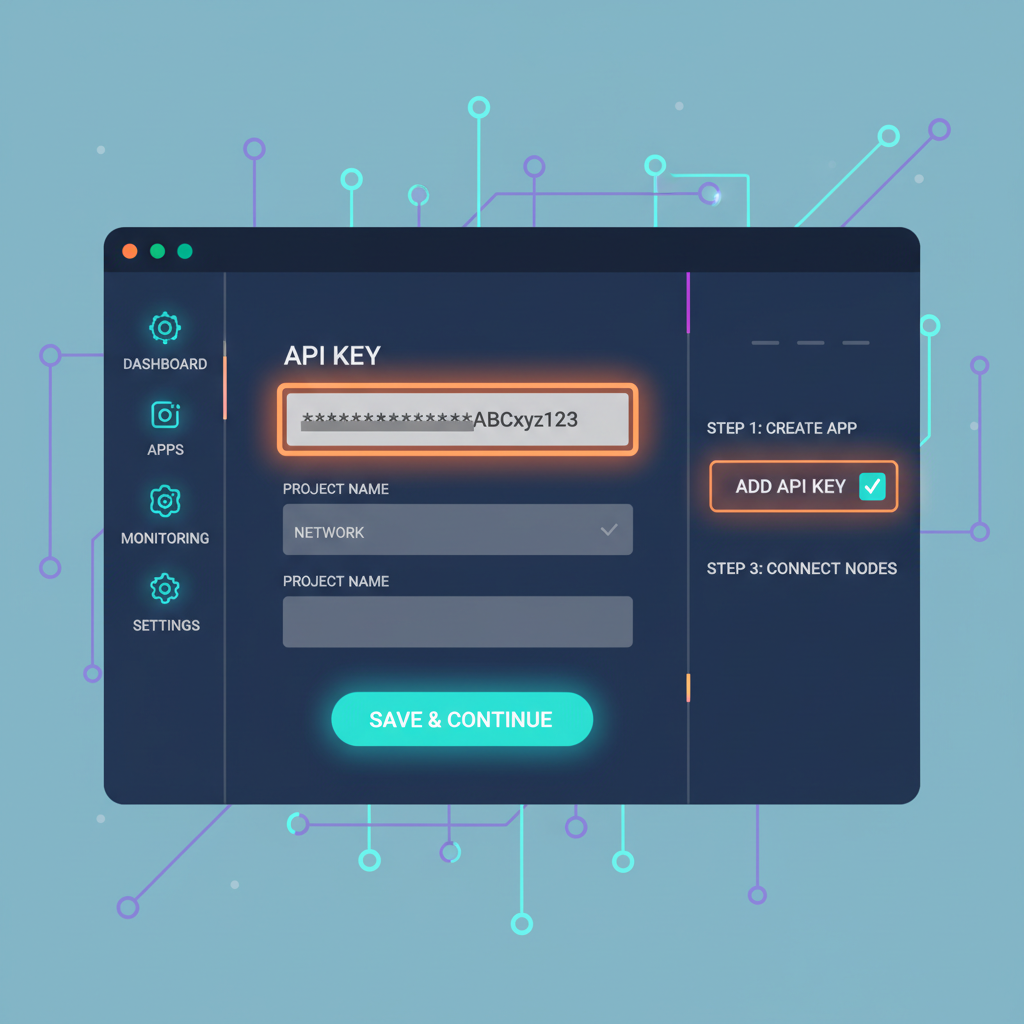
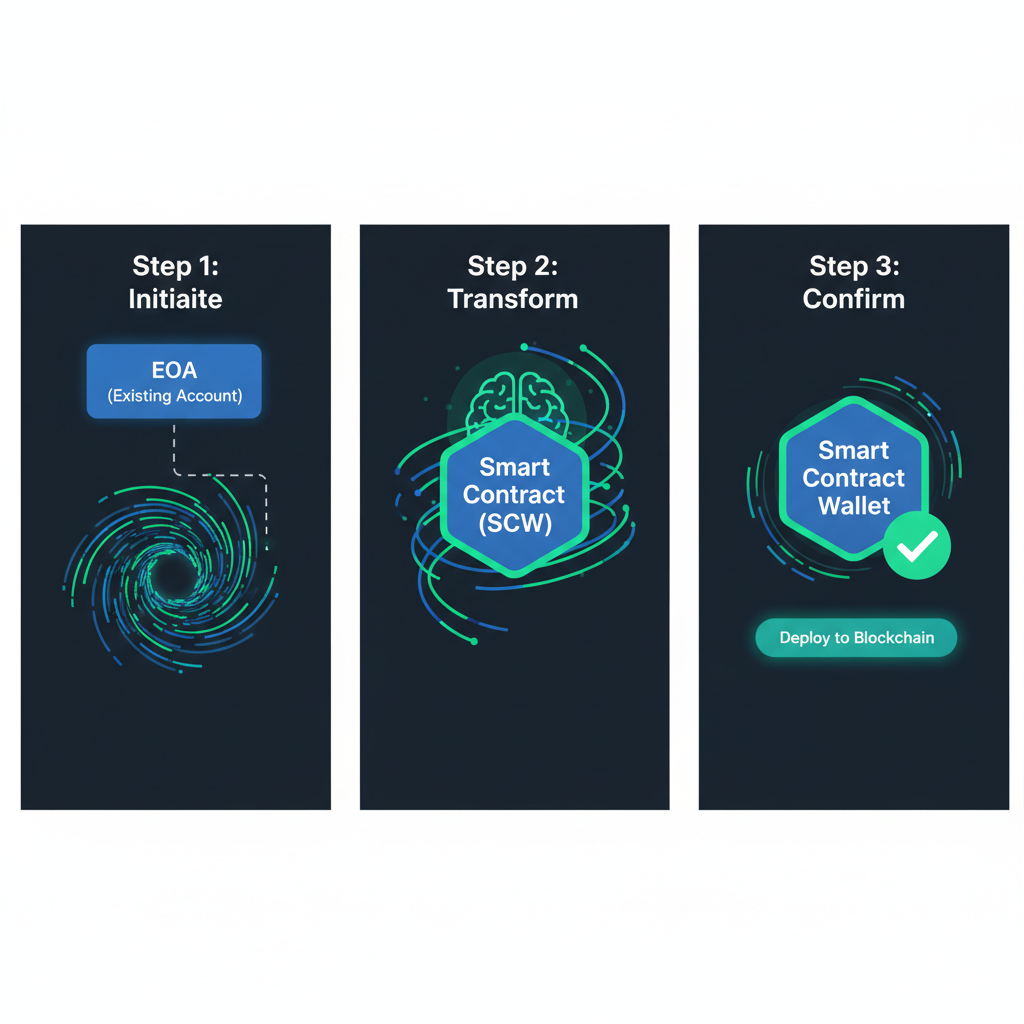
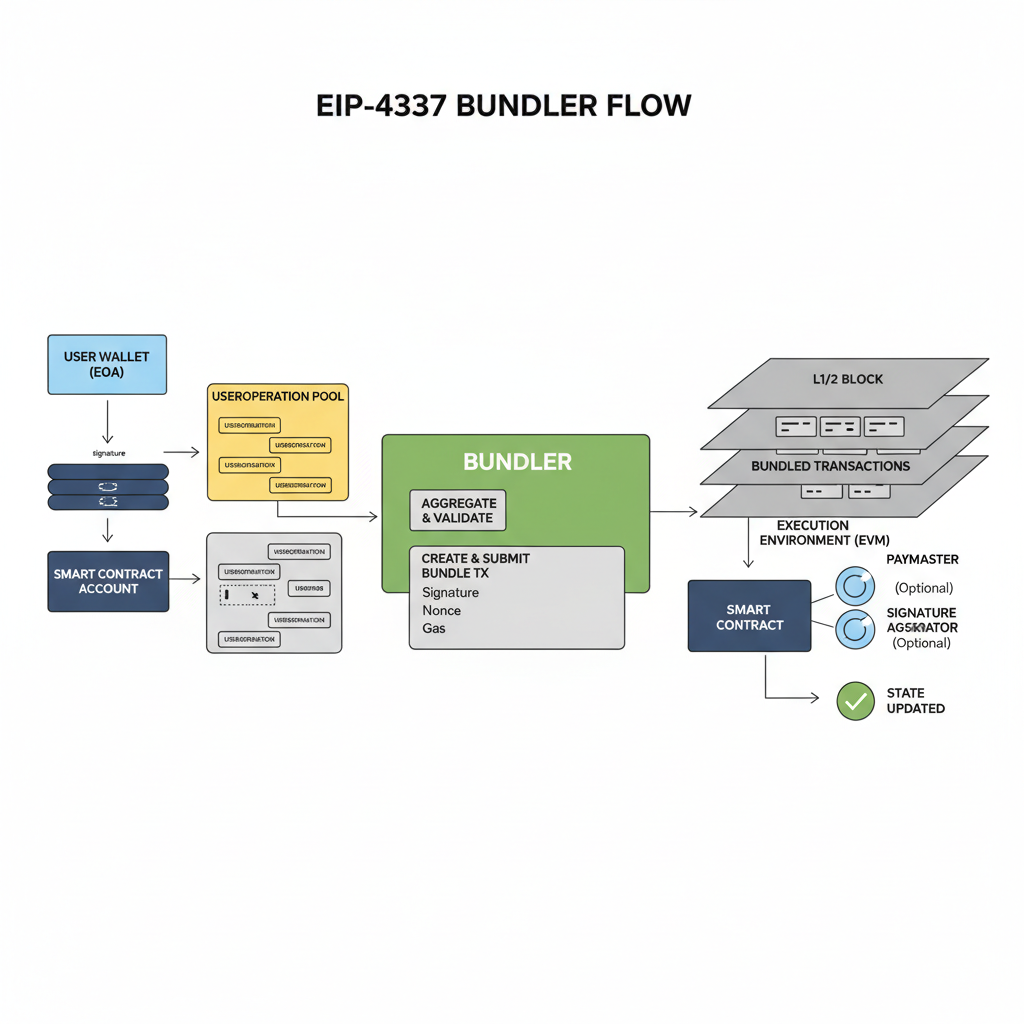
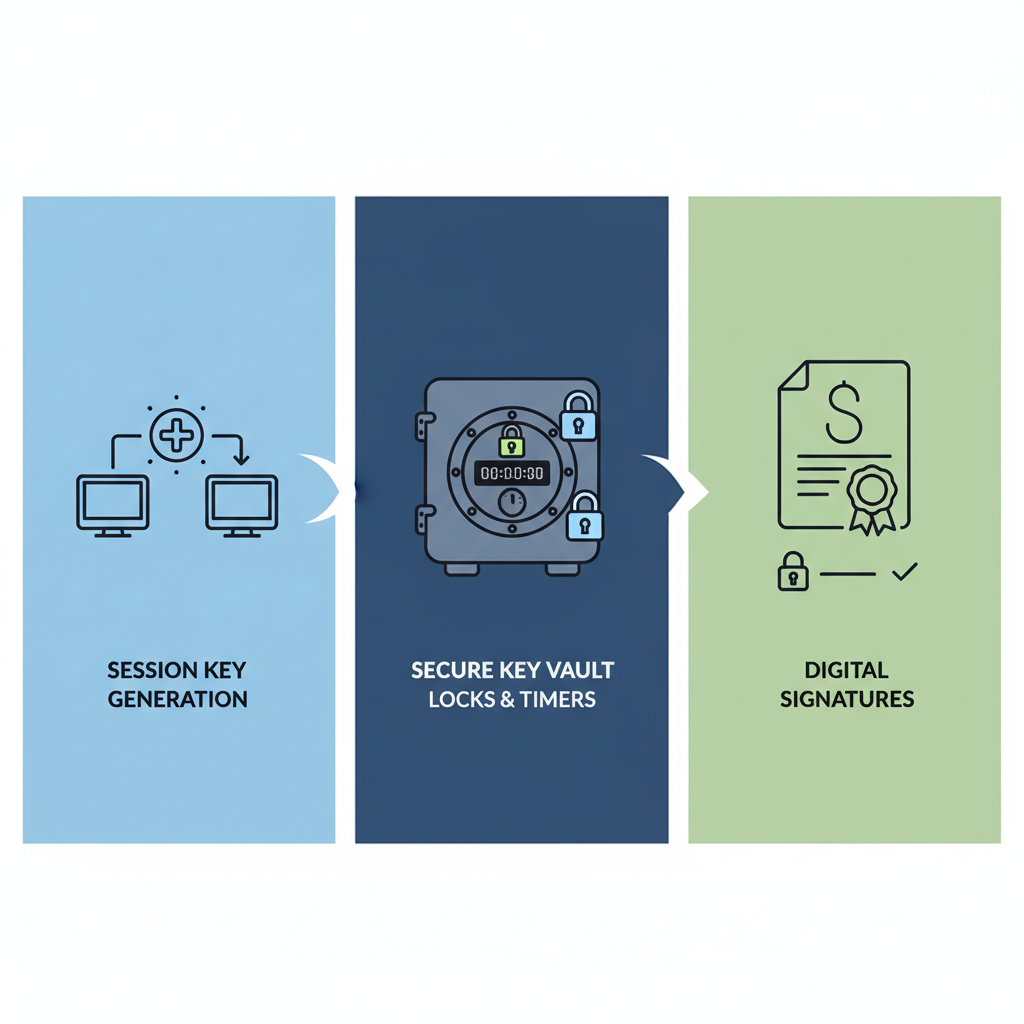
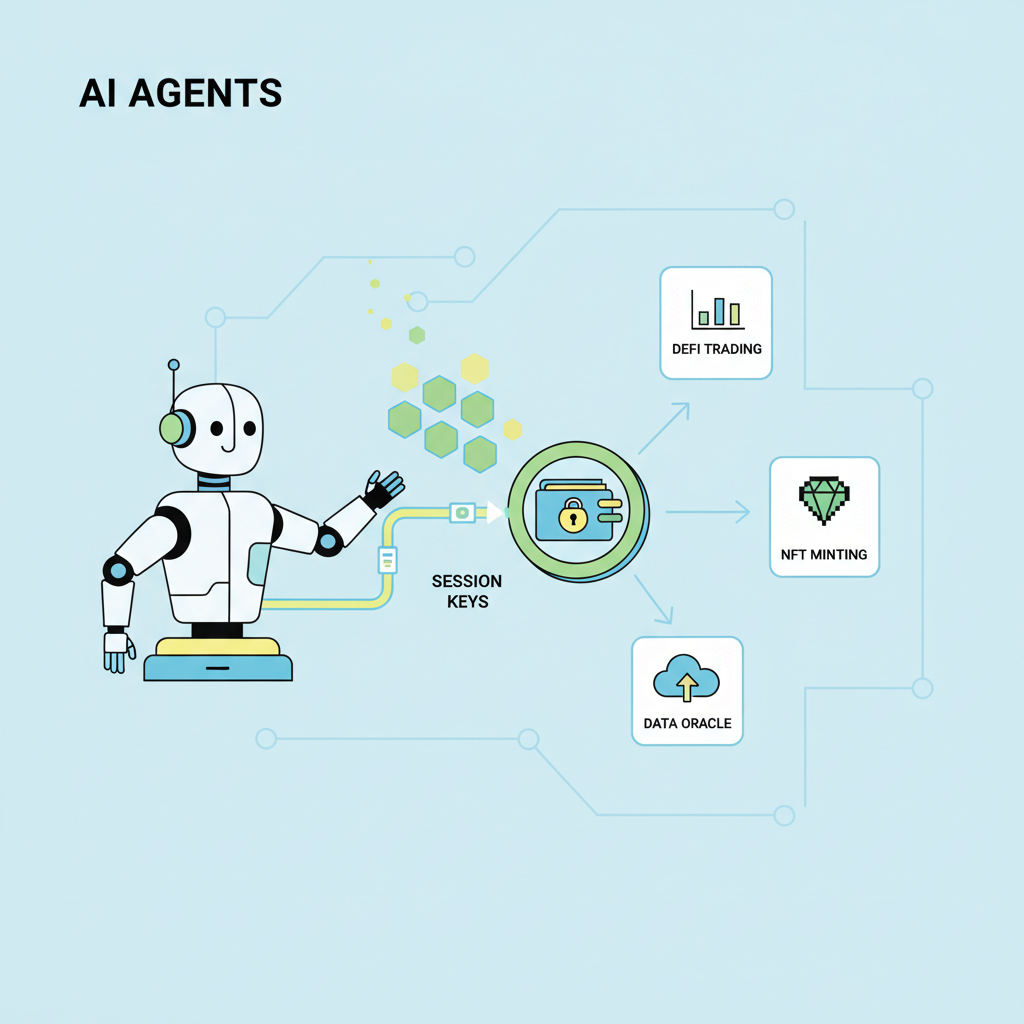
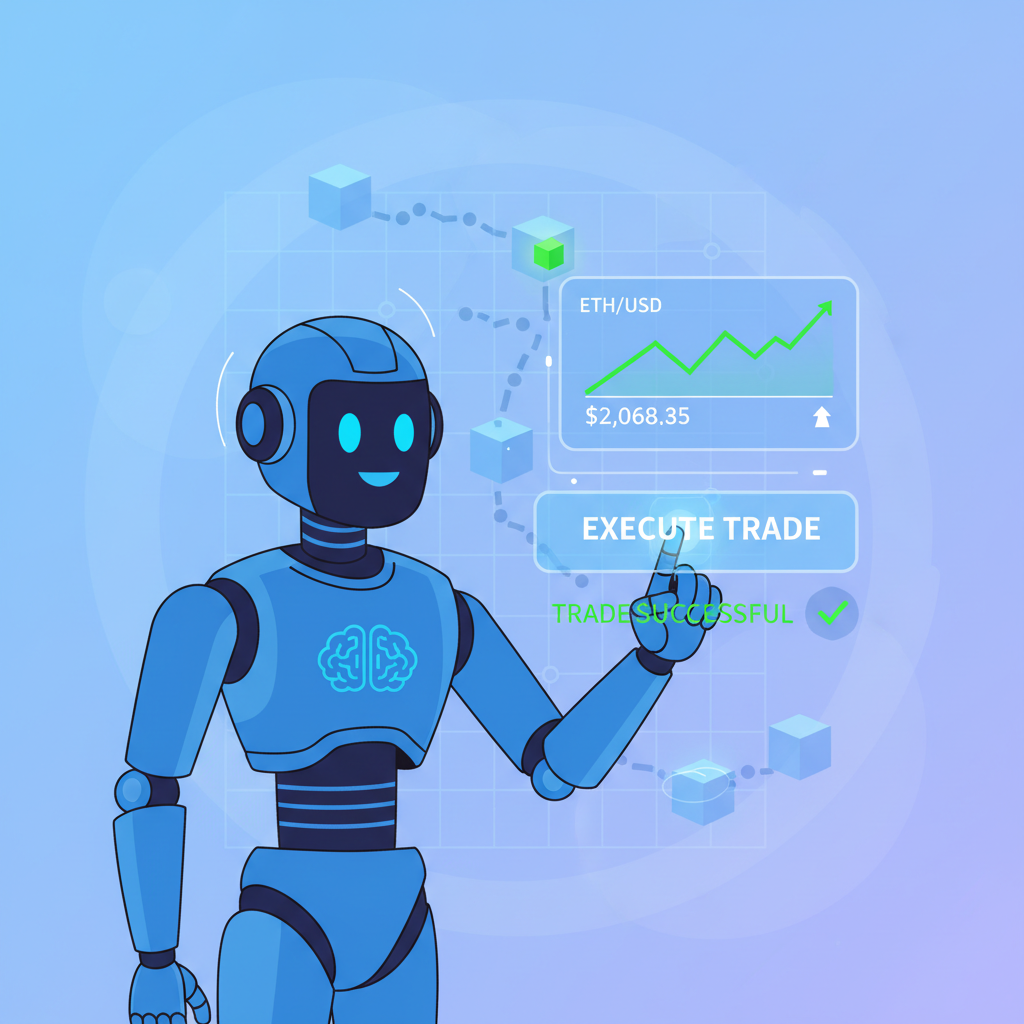
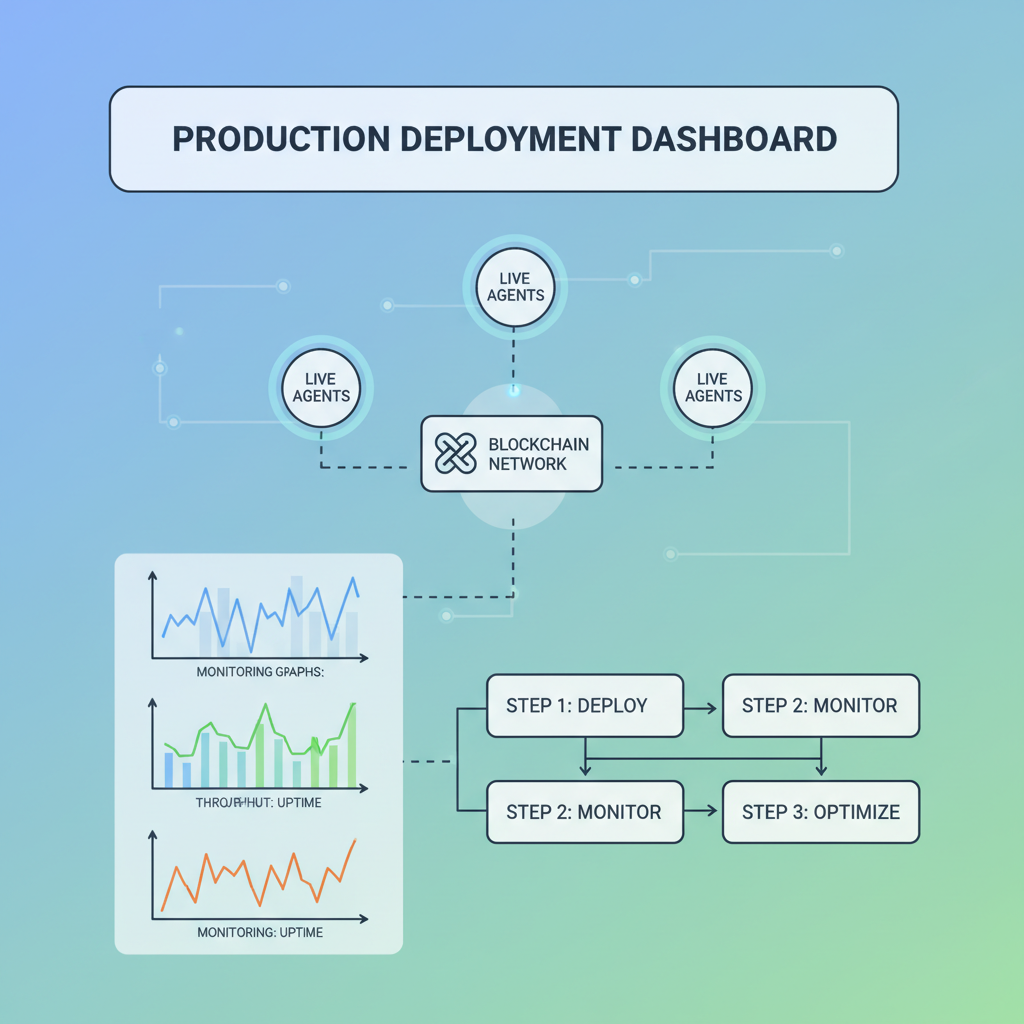
Consider the workflow: an autonomous Web3 agent detects a dip to $2,034.87, batches a swap on Uniswap, stakes on Lido, and reports back via session key expiry. No full key exposure, just scoped permissions. Monad's documentation extends this to high-speed chains, where EIP-7702 turns EOAs into abstraction powerhouses without migration hassles. Turnkey's history lesson underscores the shift from ERC-4337's entry points to 7702's direct EOA upgrades, accelerating smart wallet AI agents adoption.
Mitigating Risks in Agentic Ecosystems
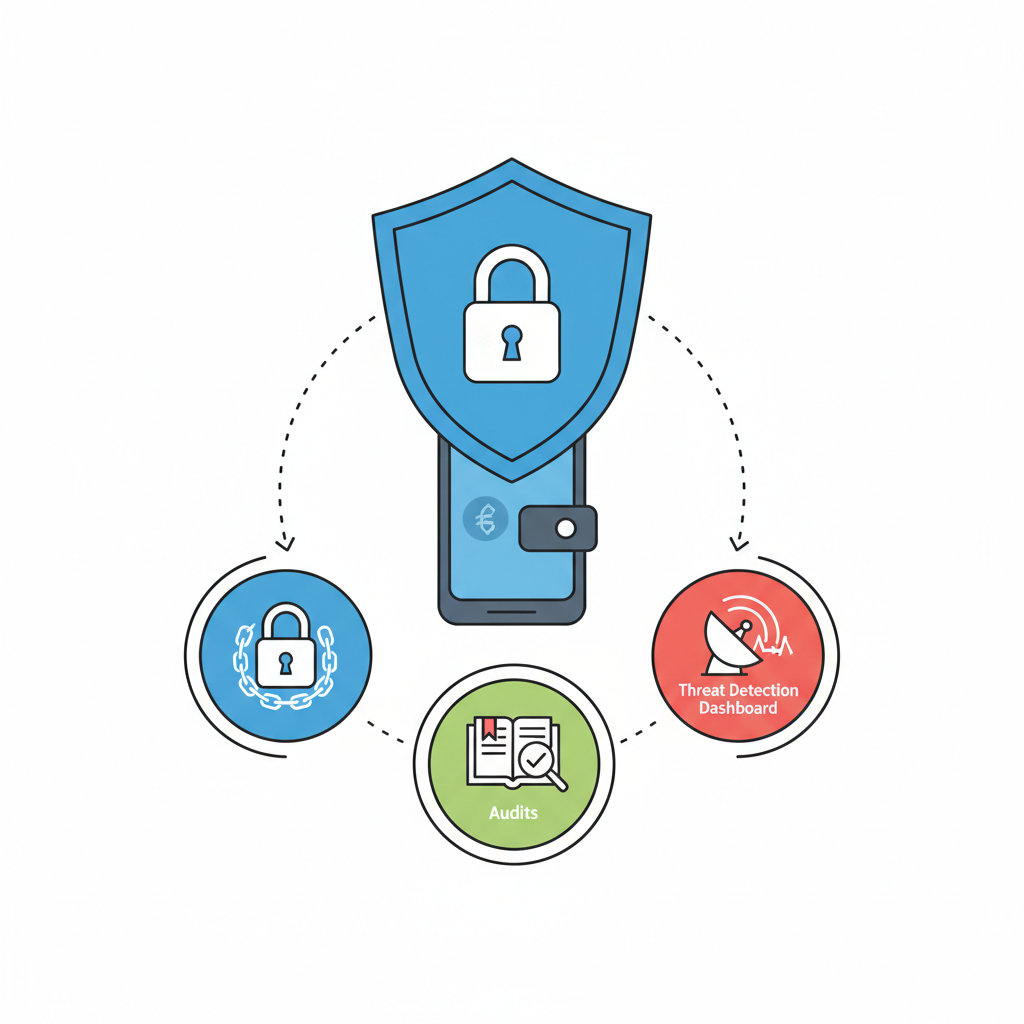
Yet innovation demands caution. ArXiv papers flag phishing as EIP-7702's Achilles' heel, where malicious code could hijack EOAs. My take? Programmable safeguards flip the script. Session keys enforce granular controls: time limits, value caps, contract whitelists. Fireblocks champions this in agentic wallets, using MPC for key sharding alongside 7702 logic. I've stress-tested similar in portfolios; agents halt at predefined thresholds, preserving capital during 4.33% drops like today's.
Web3Auth details the mechanics: the contract_code field activates only per transaction, reverting the EOA post-execution. Combine with x402 for autonomous payments, and businesses gain machine economies. Coinbase's launches show real traction, with agents handling trades securely. For skeptics, QuillAudits affirms the Pectra upgrade's robustness, positioning account abstraction EIP-7702 as enterprise-ready.
Real-World Edge: AI Agents in Action
At SmartAgentKeys. com, we're pioneering this fusion. Our platform equips developers with EIP-7702-compliant agents using session keys for tasks from governance voting to NFT minting. Imagine an agent scanning technicals at $2,068.45, spotting RSI oversold signals, and diversifying into stables, all keyless and auditable. HackerNoon's code examples make entry barriers low; deploy a smart EOA in minutes.
LimeChain pushes the envelope, advocating full EOA replacement. Privy's integration guides ease onboarding, while Privy supports EVM-wide upgrades. In 2026's landscape, this means autonomous Web3 agents 2026 handling volatility autonomously. My portfolios reflect this: agents rebalance on fundamentals like Pectra's throughput gains, turning ETH's $2,176.29 peak into sustained alpha.
Challenges persist, gas optimization during lows, cross-chain session syncing, but infrastructure like Etherspot bridges them. As adoption swells, expect agent swarms coordinating DeFi, DAOs, even prediction markets. Diversification remains my mantra, now supercharged by AI precision in smart wallets.
These tools don't just automate; they evolve investing. With EIP-7702 and session keys, blockchain tasks shed legacy constraints, ushering keyless futures where agents thrive amid uncertainty.




No comments yet. Be the first to share your thoughts!