Why identity needs a smarter key
The era of static passwords is ending. In 2026, identity verification has shifted from something you remember to something you are, validated by AI agents that act as security intermediaries. These smart agents don't just check a credential; they monitor behavior, device context, and intent in real time to grant access.
Consider a typical enterprise scenario: an AI security key verifies a user’s login not by matching a stored hash, but by analyzing the context of the request. If an agent detects an unusual location or a mismatched device fingerprint, it triggers a dynamic challenge rather than simply blocking access. This approach turns identity into a continuous, adaptive process rather than a one-time gate.
This shift is critical as AI-driven threats evolve. According to recent industry predictions, enterprises are converging identity strategies to handle passwordless authentication and AI-driven attacks simultaneously. The result is a system where access is granted only when the AI confirms the user’s identity and intent are legitimate.

Smart agent authentication explained
Smart agent authentication redefines how AI security keys function by turning artificial intelligence into a secure intermediary between you and decentralized applications. Instead of handing over your private keys or managing complex seed phrases directly, you delegate specific, limited permissions to an AI agent. This agent acts as a gatekeeper, executing transactions on your behalf while adhering to strict boundaries set by smart contracts.
This process relies heavily on EIP-7702 and session keys. EIP-7702 allows externally owned accounts to temporarily adopt the behavior of smart contracts, enabling more flexible and dynamic authorization models. Combined with session keys—which are cryptographic keys with predefined limits on time, value, and function—this creates a layered security approach. The AI agent uses these session keys to interact with the blockchain, ensuring that even if the agent is compromised, the damage is contained within the agreed-upon limits.
Think of your primary wallet as a bank vault and the AI agent as a security guard with a limited keycard. The guard can open the door to perform specific tasks, like depositing funds or approving a trade, but cannot walk out with the entire vault. This practical application of smart agent authentication ensures that your core assets remain secure while allowing your AI tools to operate efficiently.
Zero-trust access management in practice
Traditional security relies on a single handshake: you enter a password, and the system assumes you are who you say you are until you log out. AI security keys 2026 replace this static gate with a continuous verification loop. Instead of trusting a one-time login, the system treats every access request as a new event that requires fresh validation. This shift moves security from a perimeter-based model to one anchored by identity and context.
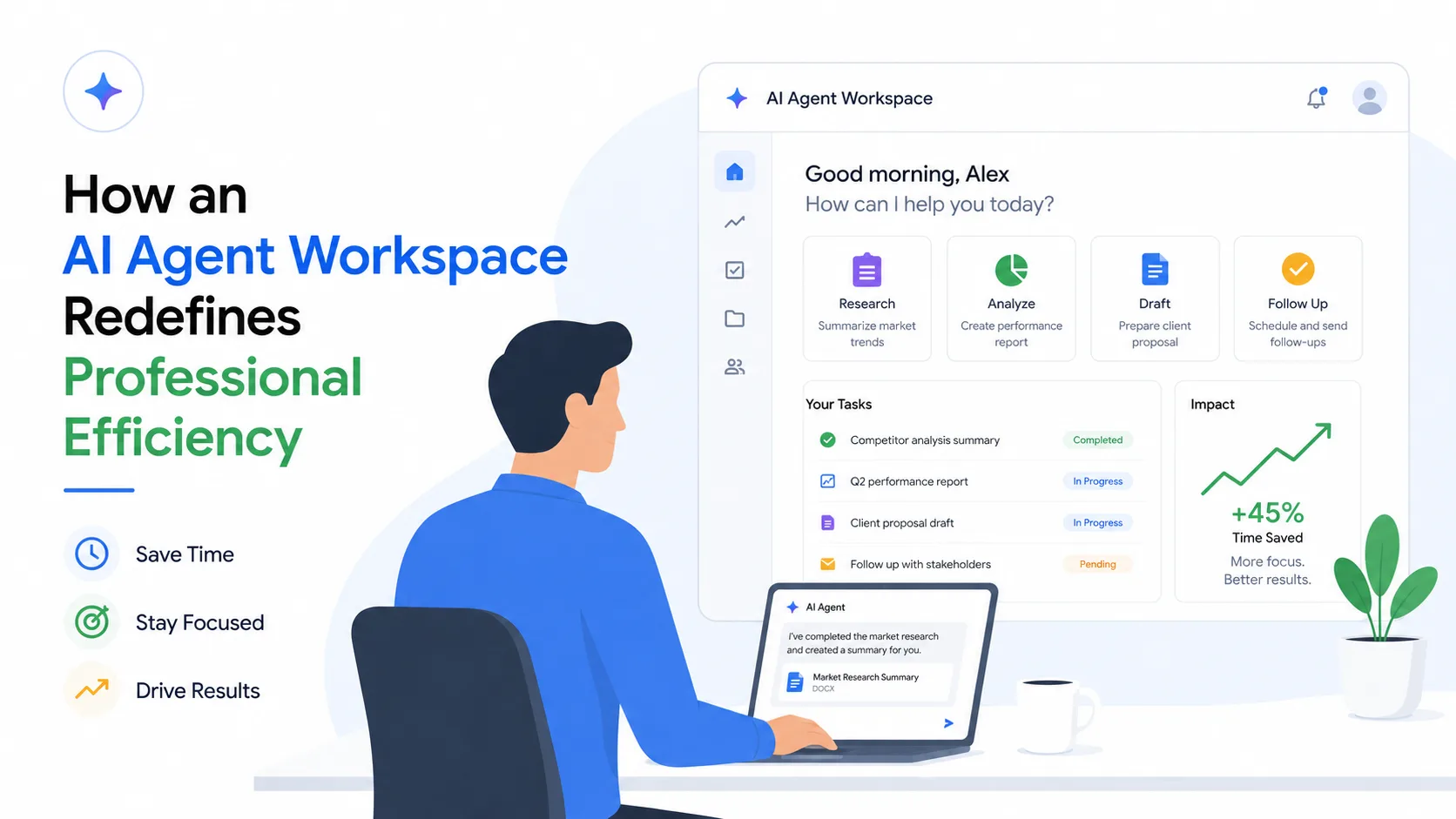
In this model, an AI agent acts as a real-time intermediary between you and the resource you need. The key does not just store credentials; it evaluates the environment. If you attempt to access sensitive data from an unfamiliar device or at an unusual hour, the AI agent pauses the transaction. It cross-references your biometric signature, device health, and behavioral patterns before issuing a temporary, scoped token. This ensures that even if credentials are compromised, the AI security key prevents unauthorized access by refusing to validate anomalous requests.
This continuous verification process handles complex enterprise workflows without slowing down productivity. For example, when an employee needs to authorize a high-value transaction, the AI key analyzes the transaction details against historical spending patterns. If the request aligns with normal behavior, the key grants access instantly. If it deviates, it triggers a secondary challenge, such as a biometric scan or a push notification to a trusted device. This dynamic approach ensures that security adapts to risk levels in real time, rather than applying a one-size-fits-all barrier.
The result is a system where trust is earned continuously, not granted once. By embedding intelligence into the authentication layer, organizations can maintain strict policies while keeping the user experience fluid. The AI security key becomes less of a barrier and more of a smart guardian, verifying intent and context for every single interaction.
Biometric keyless entry trends
The separation between physical security and digital identity is collapsing. In 2026, biometric keyless entry systems are no longer standalone devices; they are integrated endpoints for AI security keys. This convergence allows a single biometric signal—such as a fingerprint or facial scan—to unlock both your office door and your corporate network simultaneously.
AI agents now act as intermediaries in this process. Instead of simply verifying a match against a stored template, the AI key evaluates context. It checks if the biometric scan originates from a trusted location, matches the user’s typical access patterns, and aligns with current threat intelligence. If the scan occurs during an unusual time or from a new device, the AI agent can pause access, request additional verification, or notify security teams in real time.
This shift transforms biometrics from a static gatekeeper into a dynamic security layer. For example, an employee approaching a secure facility might be recognized by facial recognition. The AI key then validates this identity against the user’s digital credentials. If the digital identity is active and the risk score is low, the door unlocks. If the digital identity shows signs of compromise, the physical entry is denied, preventing unauthorized access before it happens.
Common questions about AI security keys
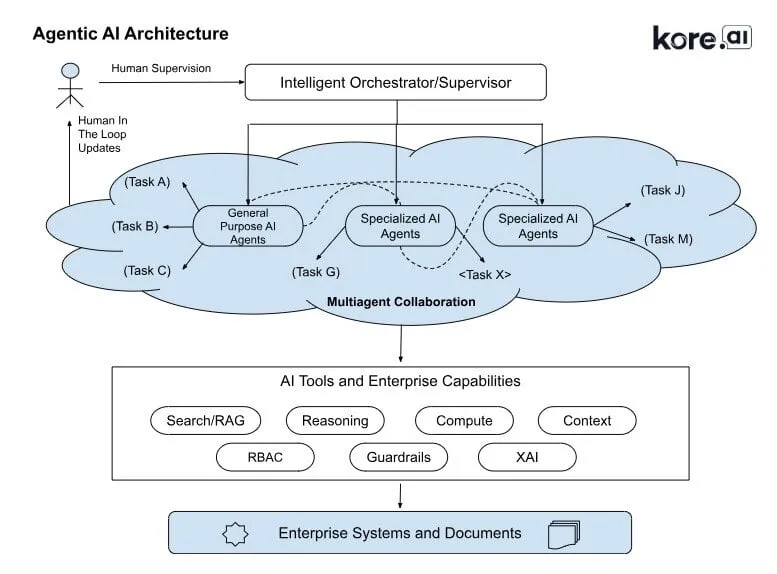
As AI agents begin acting as intermediaries for authentication, the definition of a "security key" is shifting from a static token to an intelligent, context-aware system. Below are the most frequent questions about how these tools function.
No comments yet. Be the first to share your thoughts!