

In 2026, the fusion of EIP-7702 session keys and AI agents within smart wallets marks a pivotal shift for Web3 automation. Developers can now delegate precise, time-limited permissions to intelligent agents, enabling tasks like portfolio rebalancing or yield optimization without surrendering full control. This setup, powered by account abstraction, transforms passive EOAs into dynamic smart accounts, but success hinges on meticulous implementation to mitigate risks such as key exposure or unintended executions.
Traditional wallets falter under the weight of manual oversight in volatile markets. Enter EIP-7702, introduced in May 2025, which equips Externally Owned Accounts with smart contract capabilities via type-4 transactions and delegation markers. Paired with session keys, it allows AI agents to execute bounded operations; think approving swaps up to $1,000 daily or auto-compounding rewards for 24 hours. Platforms like SmartAgentKeys. com exemplify this, offering keyless interactions where users sign revocable permissions once, then let agents handle the rest.
The Mechanics of Session Keys in EIP-7702 Smart Accounts
Session keys function as ephemeral credentials, scoped by time, value, and contract. Under ERC-4337 integration, an AI agent might receive authority to interact solely with a DEX router, preventing lateral movement to risky protocols. This granularity appeals to risk managers like myself, who prioritize containment over convenience. Consider an institutional trader monitoring bond yields: the agent rebalances commodities-linked tokens via session keys, sponsoring its own gas if programmed, all while the user's core key remains dormant.
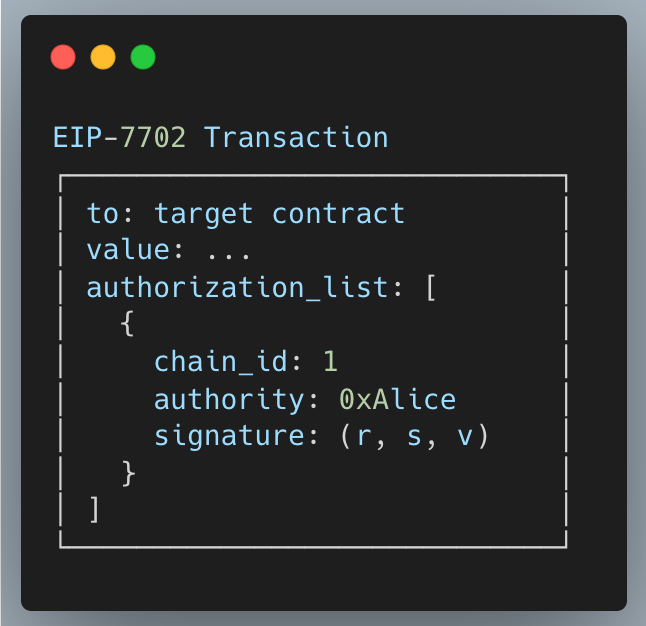
Implementation begins with authorization signing. Users generate a delegation that temporarily delegates code execution to the EOA, unlocking batching, gas sponsorship, and passkey support. Unlike full migrations, EIP-7702 preserves existing addresses, easing adoption. Yet, caution prevails: poor scoping invites exploits, as seen in early ERC-4337 mishaps. Developers must embed volatility checks, ensuring agents hedge only when metrics align with user thresholds.
Building AI Agents with EIP-7702 Permissions
AI agents thrive in this ecosystem by embedding logic for predictive tasks. At SmartAgentKeys. com, hooks allow agents to forecast market swings using volatility metrics, then execute hedges autonomously. Picture an options specialist granting a session key for high-reward setups: the agent scans for implied volatility spikes, batches approvals, and rebalances without user intervention. This hybrid strategy; managing risk first, chasing alpha second; demands robust validation layers.
Start with a smart account contract compliant with ERC-4337. Issue session keys via a function like issueSessionKey(uint256 validityDuration, uint256 maxValue, address[] permittedContracts), signed by the owner. The agent, deployed as a lightweight module, validates inputs against macroeconomic feeds before broadcasting. Testing on chains like Sonic reveals gasless UX potential, but always simulate edge cases; over-permissioned keys amplify losses in downturns.
Strategic Deployment: Balancing Automation and Control
Deploying these agents requires a layered security model. Use WebAuthn for initial delegation, then layer session keys with revocation mechanisms. For AI-driven tasks, integrate oracles for real-time data, ensuring agents pause during anomalies. In practice, I've seen traders delegate yield farming to agents capped at 5% portfolio exposure, revocable via a single signature. This cautious orchestration scales user experience, making Web3 feel intuitive while safeguarding capital.
To operationalize this, developers must prioritize simulation before deployment. Testnets like Sepolia expose vulnerabilities in session key logic, where unchecked oracles could trigger premature hedges during flash crashes. My approach as a risk manager: always cap agent exposure at 2-3% of portfolio value, with multi-signature overrides for high-volatility events. This balance empowers AI agents in smart wallets without courting disaster.
Step-by-Step EIP-7702 Implementation for Autonomous Tasks
Securely Deploy EIP-7702 Session Keys for AI Agent Automation
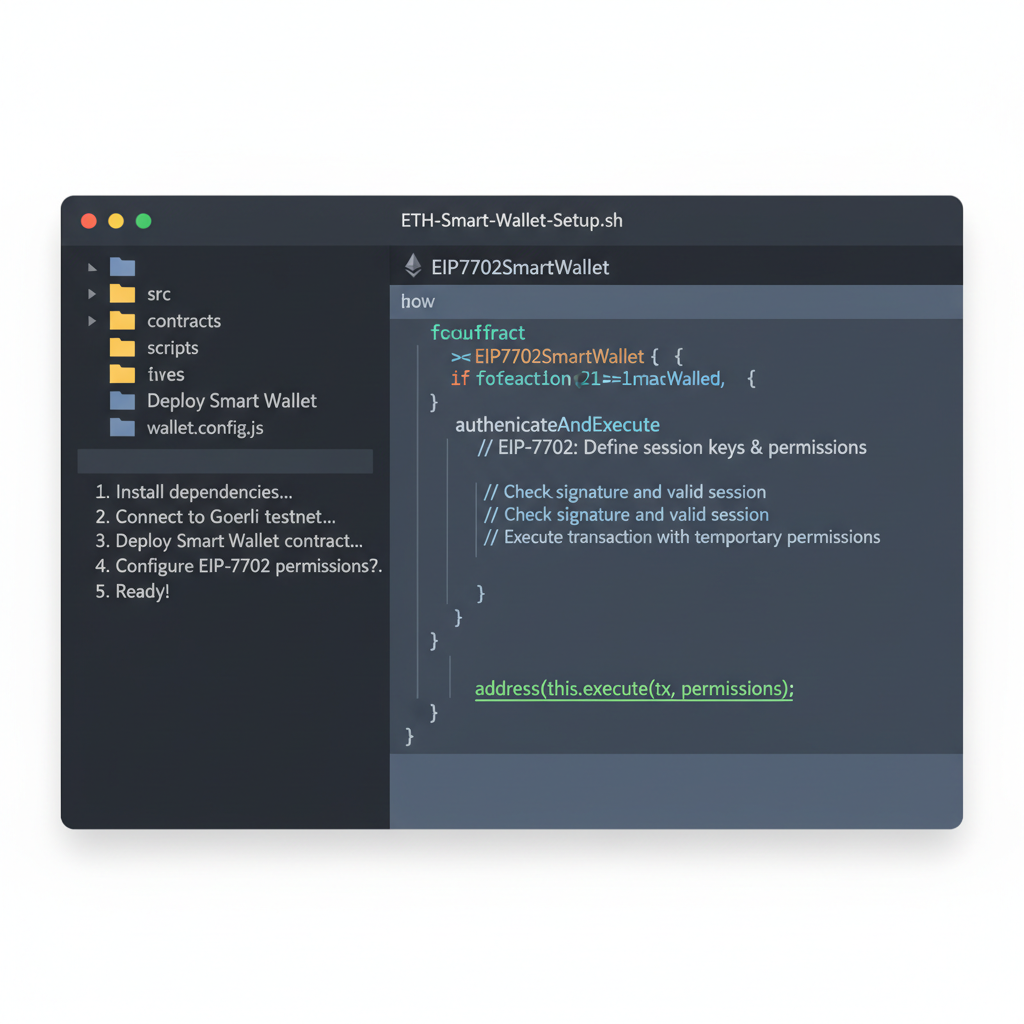
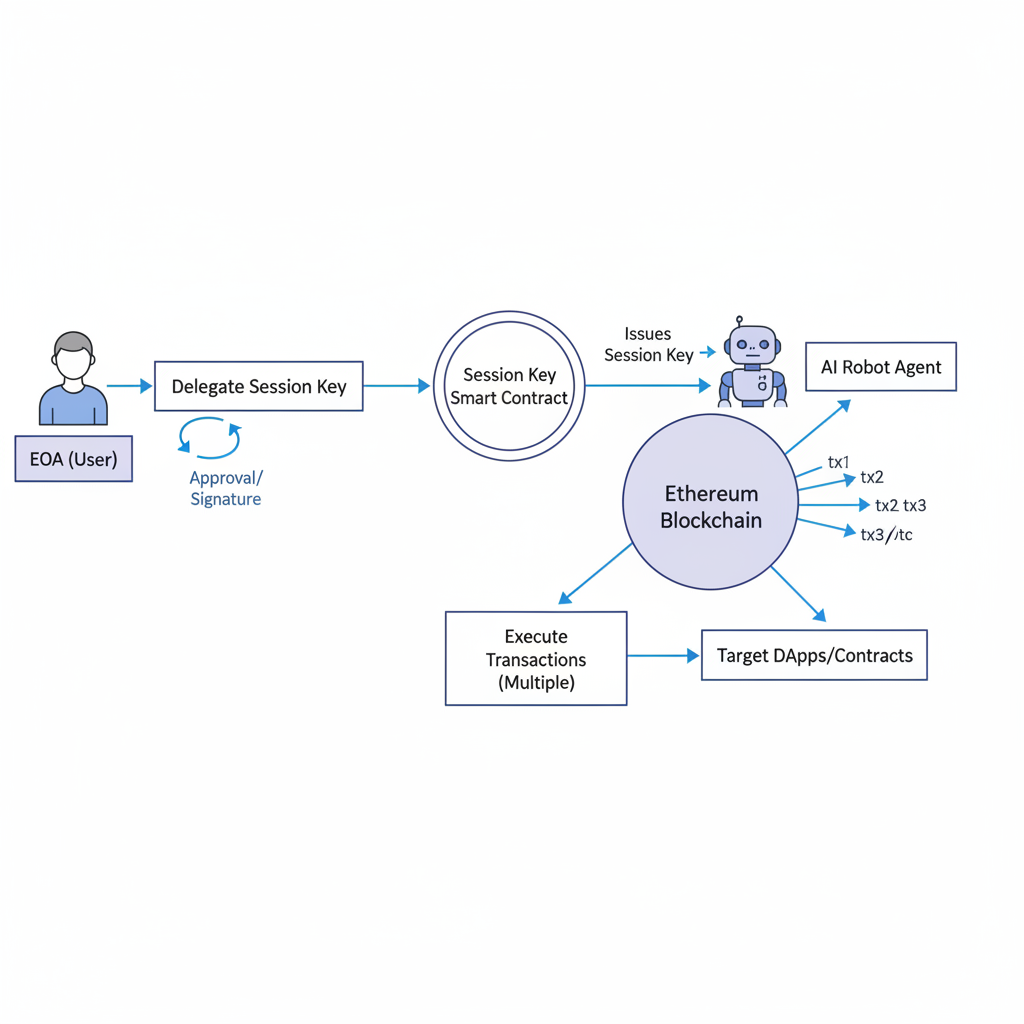
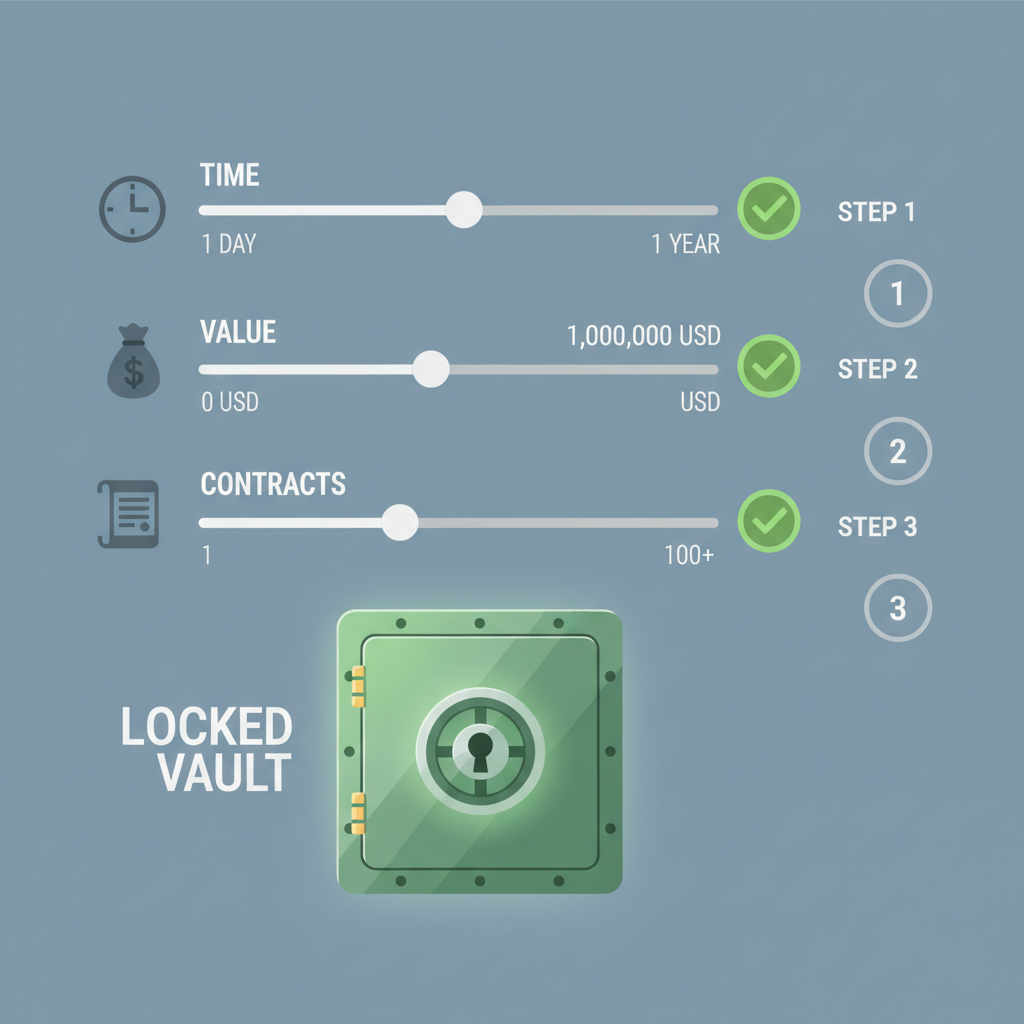
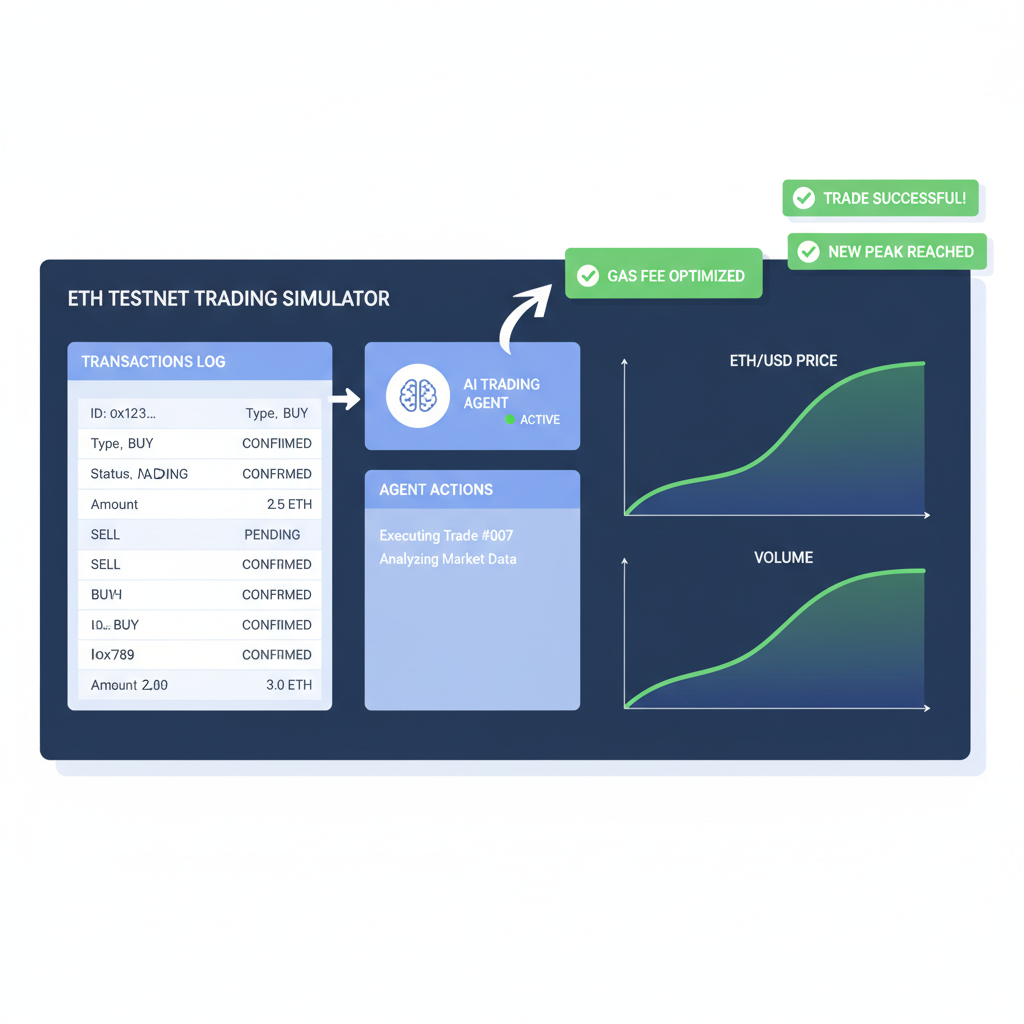
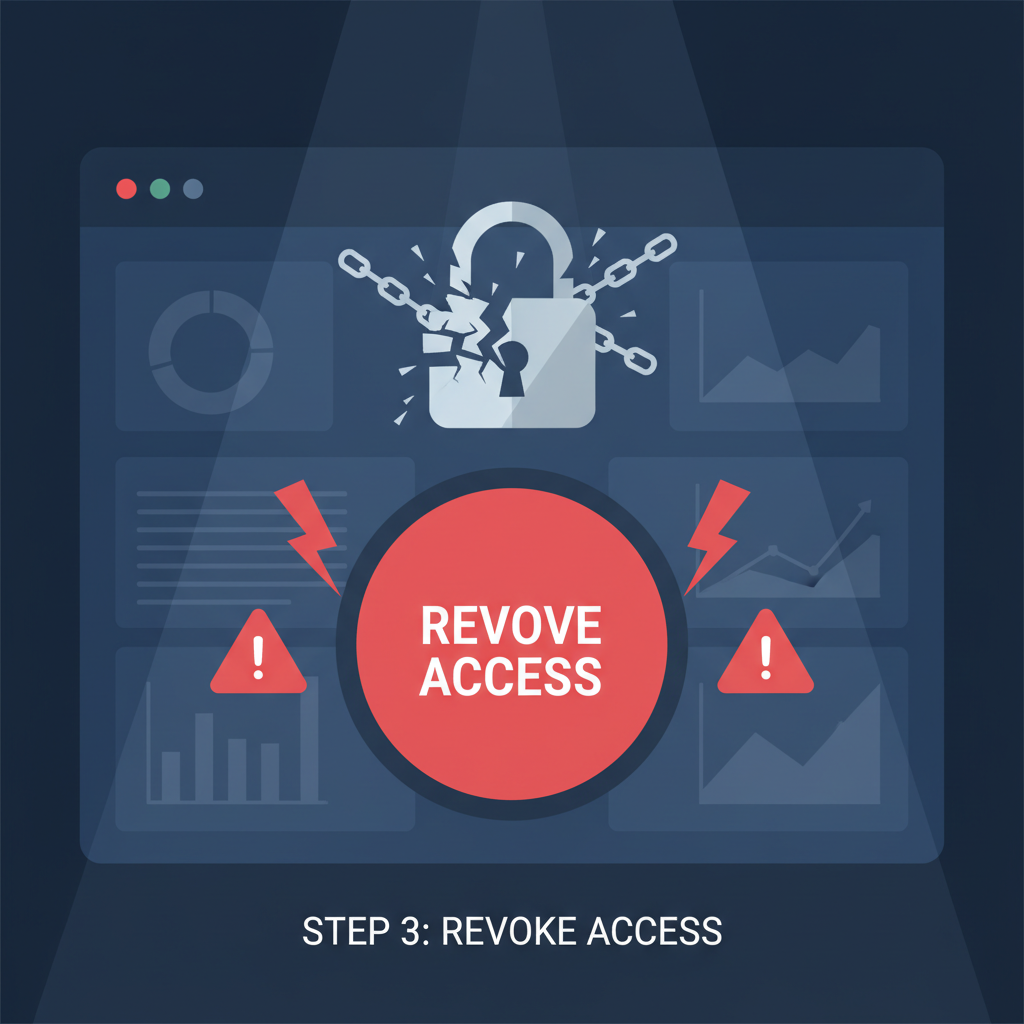
Once configured, these agents unlock sophisticated account abstraction AI tasks. For instance, in options trading, an agent monitors VIX equivalents on-chain, issuing covered calls only when implied volatility exceeds 25%. Session keys restrict it to whitelisted AMMs, batching multiple legs into a single type-4 transaction. Revocation happens via a simple owner signature, nullifying active keys instantly. Platforms like SmartAgentKeys. com streamline this with pre-audited modules, but customization remains key for tailored risk profiles.
Consider a hybrid strategy I favor: straddle setups during earnings seasons for DeFi tokens. The AI agent, armed with a 48-hour session key valued at $5,000 max, buys calls and puts across chains, sponsoring gas from a relayer fund. If volatility spikes, it auto-exits at predefined deltas. This setup, rooted in EIP-7702's delegation markers, outperforms manual trading by reacting in milliseconds to oracle feeds. Yet, over-reliance breeds complacency; regular audits ensure agents evolve with market regimes.

Risk Mitigation: Guarding Against Agent Overreach
Security isn't optional; it's the foundation. Layer defenses with multi-factor delegation using passkeys, then enforce least-privilege scoping. Integrate anomaly detection: if an agent deviates 10% from predicted paths, trigger user alerts. In my nine years managing options risk, I've learned that volatility metrics like GARCH models, fed via oracles, prevent cascading errors. Test against adversarial simulations, where mock exploits probe session boundaries. EIP-7702's strength lies in its revocability, but only if wielded judiciously.
| Feature | EIP-7702 Benefit | Risk Control |
|---|---|---|
| Session Keys | Time/value/contract limits | Auto-expire and revocation |
| Batching | Gas efficiency | Simulation pre-flight |
| Gas Sponsorship | UX improvement | Relayer whitelisting |
This table underscores the trade-offs. Developers chasing EIP-7702 implementation guide benchmarks should benchmark against real workloads, not synthetic ones. Chains like Sonic amplify these features with native AA, promising gasless futures, but cross-chain bridges demand extra scrutiny.
Looking ahead, EIP-7702 session keys position smart wallets as the nervous system of decentralized finance. Traders gain alpha through predictive agents, businesses scale operations securely, and developers build without legacy drag. Start small: delegate a single task, monitor closely, then expand. In Web3, where fortunes pivot on execution, this measured path from EOA to empowered account abstraction delivers resilience amid chaos. Risk managed, opportunities seized.




No comments yet. Be the first to share your thoughts!