

In the evolving landscape of decentralized finance, where every gas unit counts, EIP-7702 emerges as a game-changer for smart wallets. This Ethereum upgrade, activated in the Pectra rollout on May 7,2025, empowers Externally Owned Accounts (EOAs) to temporarily delegate smart contract code, enabling batch DeFi actions in a single transaction. Imagine approving a token, swapping it for another asset, and staking the proceeds, all atomically without multiple signatures or escalated fees. With Ethereum trading at $2,253.06, down 1.68% in the last 24 hours, such efficiencies become crucial for traders navigating volatile markets.
Transforming EOAs into Batch-Capable Smart Accounts
EIP-7702 introduces Type 4 transactions, featuring an authorization_list that lets users sign once to delegate code from trusted smart contracts. This delegation activates only for the transaction duration, reverting the EOA afterward, preserving its native simplicity. Developers leverage this for EIP-7702 batch DeFi operations, bundling approvals, swaps, and transfers. For instance, a relayer or batcher executes multiple calls atomically, slashing gas costs by up to 50% compared to sequential transactions.
Consider a practical workflow: a user authorizes a batcher to interact with Uniswap and Aave. The single signature approves USDC spending, swaps to ETH, and supplies liquidity, all while Ethereum hovers around its 24-hour low of $2,115.33. Sources like Yasir Iqbal's Medium post highlight how this pairs with ERC-7821 for relayer empowerment, ensuring operations execute reliably without user intervention mid-process.
AI Agents for Autonomous Smart Wallet Tasks
Layered atop EIP-7702's foundation, AI agents smart wallet tasks automate complex DeFi strategies. These agents, powered by session keys and account abstraction, monitor conditions like price thresholds or liquidity events, then trigger batched actions via delegated code. At SmartAgentKeys. com, our platform exemplifies this: AI agents handle multi-step tasks, from yield farming rotations to cross-chain bridges, using temporary permissions that expire post-execution.
Picture an AI agent scanning Ethereum's $2,253.06 price level. If it dips below a user-set threshold, the agent batches a sell-off of peripherals, converts to stablecoins, and hedges via options, all in one EIP-7702 transaction. This methodical automation aligns with long-term holding principles, echoing my 18 years analyzing macro cycles in commodities and bonds. Markets indeed reward the patient observer, especially when AI minimizes emotional trades.

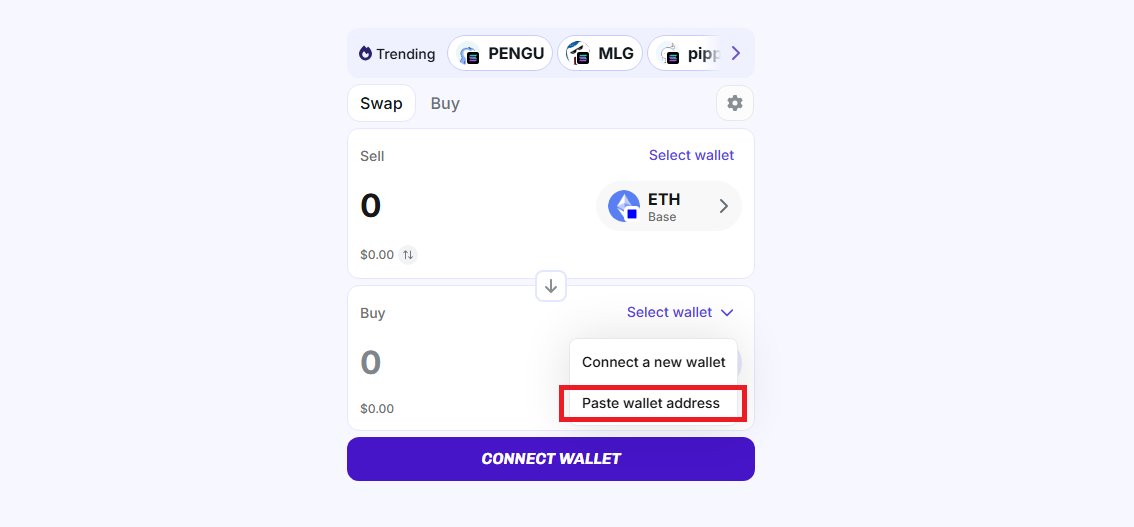
Integration guides from Privy and ZeroDev underscore granular permissions, like gas sponsorship, allowing AI agents to cover fees from protocol rewards. This setup supports multi-chain AI wallet automation, extending batching across L2s without wallet migrations.
Navigating Security in Batched Delegations
While potent, EIP-7702's delegation model demands vigilance. Attack surfaces, as noted by Nethermind, arise from malicious code in the authorization_list. Real incidents, like the Sepolia hijacking reported on CoinsBench, show phishing lures tricking users into delegating to attacker contracts, draining funds stealthily.
To counter this, prioritize wallets with verification layers, such as those limiting delegation nonce and chain IDs. Employ session keys for time-bound AI agent access, ensuring revokability. In our Smart-wallet AI agents, EIP-7702 pairs with ERC-4337 bundlers for user operations that validate payloads before execution, fortifying account abstraction batching.
Ethereum (ETH) Price Prediction 2027-2032
Post-EIP-7702 Adoption Surge: Projections Based on Batch DeFi Actions, AI Agents, and Enhanced Account Abstraction
| Year | Minimum Price ($) | Average Price ($) | Maximum Price ($) |
|---|---|---|---|
| 2027 | $2,800 | $4,500 | $7,200 |
| 2028 | $3,500 | $6,800 | $11,500 |
| 2029 | $4,200 | $9,200 | $15,800 |
| 2030 | $5,000 | $12,500 | $21,000 |
| 2031 | $6,200 | $16,000 | $26,500 |
| 2032 | $7,800 | $20,500 | $34,000 |
Price Prediction Summary
Ethereum's price is forecasted to experience robust growth from 2027 to 2032, driven by EIP-7702's batching capabilities and AI agent integration, boosting DeFi efficiency and adoption. Average prices could rise over 9x from current levels by 2032, with min/max reflecting bearish corrections and bullish surges amid market cycles.
Key Factors Affecting Ethereum Price
- EIP-7702 adoption enabling atomic batch DeFi actions, reducing costs and improving UX
- AI agents automating tasks within smart wallets, increasing network activity and TVL
- Pectra upgrade momentum sustaining developer interest and wallet integrations
- Regulatory developments favoring Ethereum's scalability via L2s and account abstraction
- Potential security enhancements mitigating delegation risks, fostering trust
- Competition from Solana/others balanced by ETH's DeFi dominance and market cap leadership
- Halving-like cycles and macro trends supporting progressive bull runs
Disclaimer: Cryptocurrency price predictions are speculative and based on current market analysis. Actual prices may vary significantly due to market volatility, regulatory changes, and other factors. Always do your own research before making investment decisions.
Adoption metrics post-Pectra reveal over 11,000 authorizations in the first week, with Ambire and Trust Wallet leading implementation. This momentum signals a shift toward seamless DeFi, where batching and AI converge for scalable automation.




No comments yet. Be the first to share your thoughts!