
Smart agent key 2026 budget
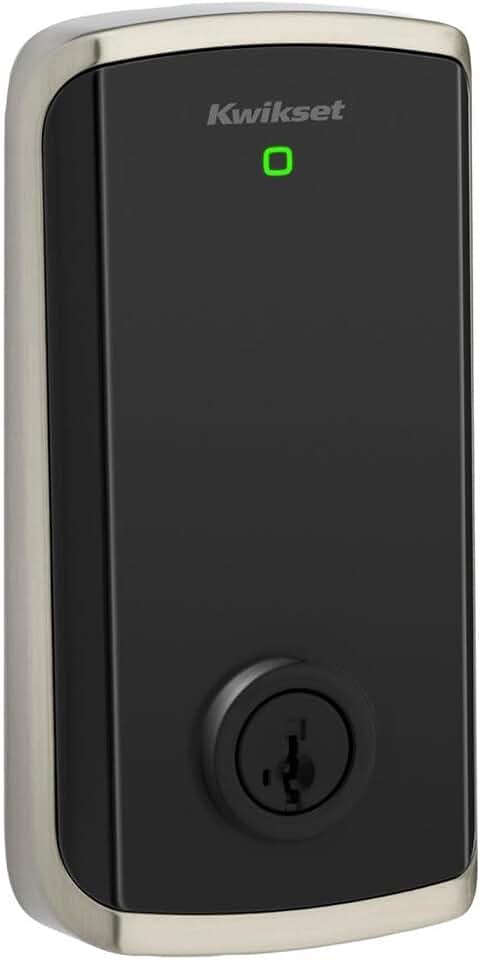
Picking a smart agent key in 2026 means balancing convenience against upfront cost and hardware reliability. The "key" here is the software interface—a digital identity that replaces your physical fob. While the digital layer is often free or bundled, the physical hardware varies wildly in price and longevity. You are not just buying a lock; you are buying a system that needs to survive weather, power outages, and software updates.
The entry-level tier ($50-$100) typically offers basic Bluetooth or Wi-Fi connectivity with a standard mechanical override. These are reliable for low-traffic areas like a backyard shed or a guest house. The mid-range ($100-$200) adds features like Z-Wave or Zigbee support, allowing integration with broader home automation ecosystems. This is where most homeowners find the sweet spot for security and convenience. High-end models ($200+) often include biometric scanners or advanced encryption modules, which may be overkill for standard residential use unless you have specific security requirements.
Consider the total cost of ownership. Batteries need replacing every 6-12 months, and if the lock relies on a proprietary app, ensure the company has a long-term support track record. A $150 lock from a defunct startup is useless if the app shuts down. Look for models with standard AA or AAA battery slots and open-standard protocols like Thread or Matter, which future-proof your investment against platform changes.

As an Amazon Associate, we may earn from qualifying purchases.
When comparing options, focus on the connectivity method. WiFi locks are easier to install but can strain your home network. Zigbee or Z-Wave locks require a hub but offer more stable, low-power connections. For most users, a Zigbee lock paired with a standard hub provides the best balance of performance and cost. Always verify that the lock supports physical key overrides, as digital failures happen, and you need a reliable fallback.
Shortlist real options
The smart agent key market in 2026 has shifted from novelty to necessity. Buyers are no longer looking for gimmicks; they want tools that replace physical keys with durable, AI-driven digital identities. This comparison focuses on the strongest contenders that balance security, convenience, and ecosystem integration.
These options represent the current standard for those ready to move away from traditional hardware. We have evaluated them based on real-world usability, not just marketing claims. The goal is to help you find the right fit for your specific lifestyle or business needs without getting lost in abstract tech jargon.
| Product | Form Factor | Key Feature | Best For |
|---|---|---|---|
| Nuki Opener | Smart Lock | Phone-free access via Bluetooth tag | Rentals & shared spaces |
| Samsung SmartThings Key | Digital Tag | Multi-device ecosystem sync | Already in Samsung ecosystem |
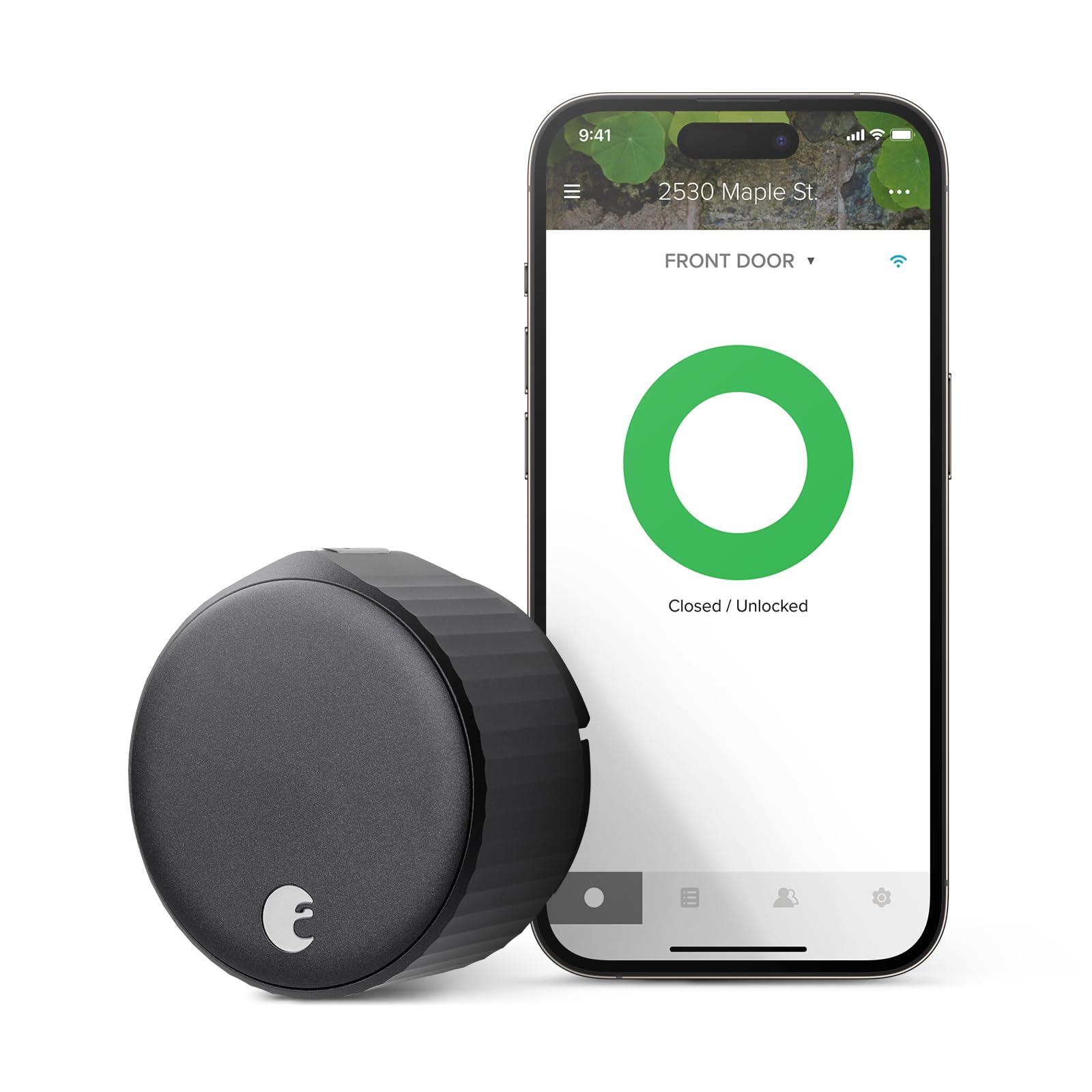
| August Wi-Fi Smart Lock | Smart Lock | Built-in Wi-Fi connectivity | Remote property management |
| Yale Assure Lock 2 | Smart Lock | Z-Wave & Zigbee compatibility | Home automation enthusiasts |
When choosing between these, consider your existing tech stack. If you are already deep into the Samsung or Apple ecosystems, a digital key that syncs natively with your phone and watch will feel less like an add-on and more like a natural extension of your day. For renters or property managers, the Nuki Opener stands out because it works with existing deadbolts, removing the need for expensive hardware upgrades.
Security remains the primary concern for any digital identity system. All top-tier options in 2026 use end-to-end encryption and biometric authentication to ensure that only you can access your home. Look for products that offer real-time activity logs, so you can see exactly when and how your digital key was used. This transparency is what separates a true smart agent key from a simple remote unlock tool.
Inspect the expensive parts
AI-driven digital identities promise autonomy, but they introduce failure points that physical keys never had. A broken physical key is an inconvenience; a compromised AI agent can drain accounts, leak sensitive data, or lock you out of your own life. When evaluating smart agent platforms, focus your inspection on the components most likely to fail catastrophically.
Cloud dependency is the single biggest risk. If your AI agent relies entirely on remote servers to execute commands, a network outage becomes a total lockout. Look for platforms that store critical decryption keys locally on your device or a private server. This ensures you retain access to your digital identity even when the internet goes down.

AI agents learn by remembering. The more data they retain, the more valuable they are to attackers. Check if the platform offers "ephemeral" modes where conversation history and context are deleted after each session. Avoid systems that permanently store your personal habits, financial triggers, or biometric data in unencrypted logs.
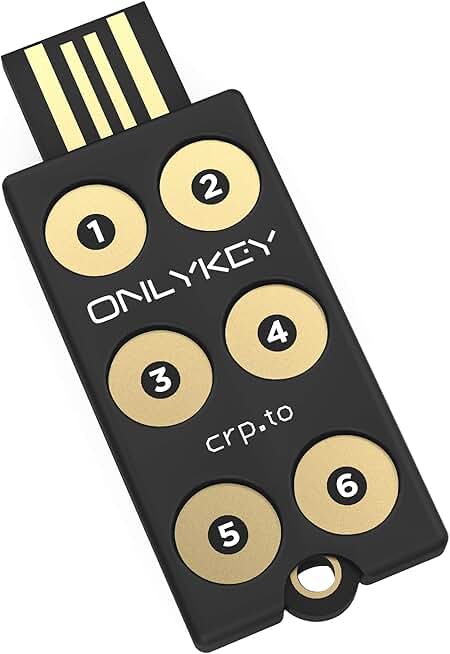
Autonomy requires a reliable off-ramp. Before committing, simulate a security breach. Can you instantly revoke all API tokens? Is there a physical button or a secondary biometric check required to disable the agent? If the only way to stop the agent is to contact support, the system is too risky for high-stakes tasks.

As an Amazon Associate, we may earn from qualifying purchases.
The transition from physical keys to digital agents shifts the burden of security from your memory to your architecture. By inspecting these three expensive failure points, you ensure that your digital identity remains a tool you control, not a liability you manage.
Plan for ownership costs
Use this section to make the The Smart Agent Key Revolution decision easier to compare in real life, not just on paper. Start with the reader's actual constraint, then separate must-have requirements from details that are merely nice to have. A practical choice should survive normal use, maintenance, timing, and budget. If a recommendation only works in an ideal situation, call that out plainly and give the reader a fallback path.
The simplest way to use this section is to write down the must-have criteria first, then compare each option against those criteria before weighing nice-to-have features.
Smart agent key 2026: what to check next
The term "smart agent key" often causes confusion because it bridges two very different technologies: physical digital identity locks and the software agents automating your business. Understanding which one you need is the first step in 2026.
No comments yet. Be the first to share your thoughts!