
Get smart agent keys 2026 right
Before you automate property access, you need to ensure your infrastructure can handle the shift. Smart agent keys are not just digital fobs; they are critical security nodes that bridge physical doors with your CRM and automation workflows. If the underlying permissions or hardware aren't aligned, automation becomes a liability rather than an asset.
Start by auditing your current key inventory. Physical keys left in drawers or under mats are operational risks that smart systems are designed to eliminate. Verify that your existing smart locks support the API integrations your automation platform requires. Not all hardware speaks the same language, and compatibility gaps will stall your rollout immediately.
Next, define your user roles. Who needs access? Which agents, contractors, or guests? Map these roles to specific time windows and zones. This structure prevents over-permissioning, a common mistake that leads to security breaches. Clear boundaries now save you from scrambling to revoke access later.
Finally, test the handoff. Run a single transaction from booking to key release. Does the notification trigger? Does the code expire? If the chain breaks at any point, fix it before scaling. A smooth, verified process is the only way to build momentum in 2026.
Work through the steps
Setting up an AI-powered smart agent key requires a structured approach to balance automation with security. The goal is to create a system where digital keys are managed efficiently without compromising access control. Follow this sequence to configure your smart key infrastructure.

Begin by mapping every physical and digital entry point in your portfolio. Identify which doors currently rely on traditional keys or basic codes. This audit reveals where smart locks can reduce operational friction and where legacy systems need upgrading. Focus on high-turnover areas like rental units or shared offices first.
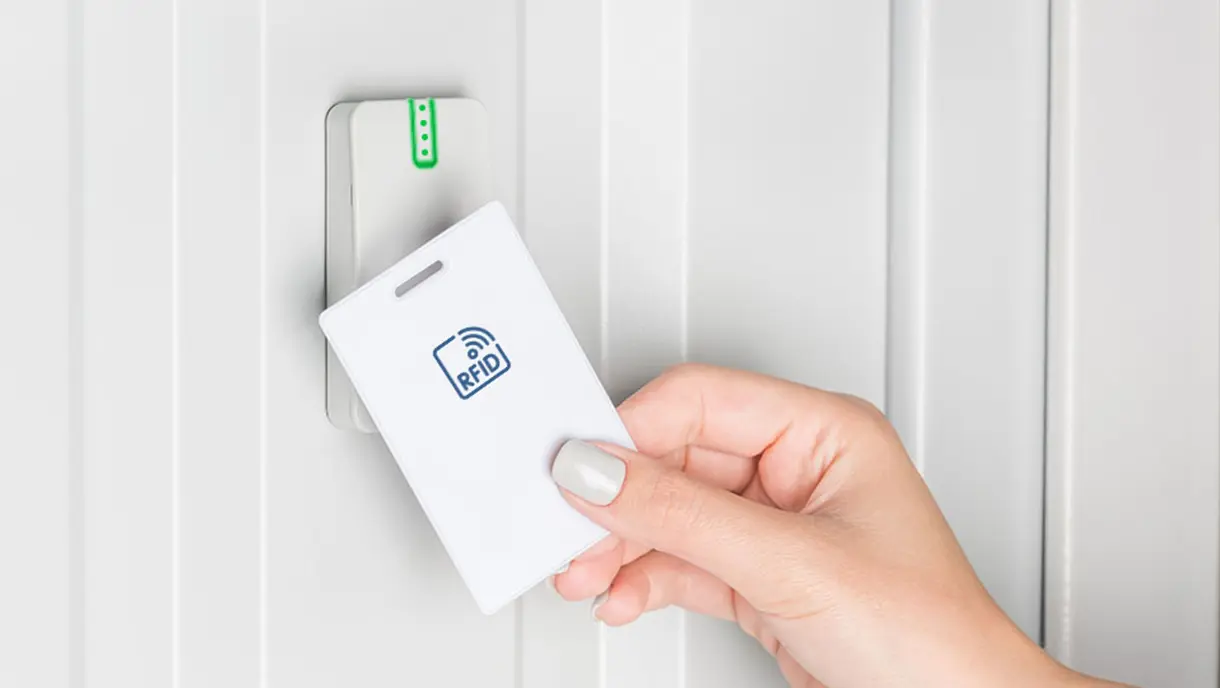
Choose locks that support open standards like Zigbee, Z-Wave, or Wi-Fi, ensuring they integrate with your central AI management platform. Avoid proprietary ecosystems that lock you into a single vendor. Verify that the hardware supports temporary access codes and remote locking, which are essential for agent automation.

Input your property management protocols into the AI agent. Define triggers for access granting, such as lease start dates or cleaning schedules. Set expiration rules for temporary codes to ensure they expire automatically after use. This step transforms static hardware into a dynamic security layer.

Simulate tenant check-ins and agent entries to verify that the AI correctly grants and revokes access. Review the digital logs to ensure every entry is timestamped and attributed to the correct user. Check for any latency between the command and the lock response, as delays can disrupt workflow.
Roll out the system to all users and monitor the first month of activity closely. Look for patterns of failed access attempts or unusual timing. Adjust automation rules based on real-world usage data to refine the balance between convenience and security.

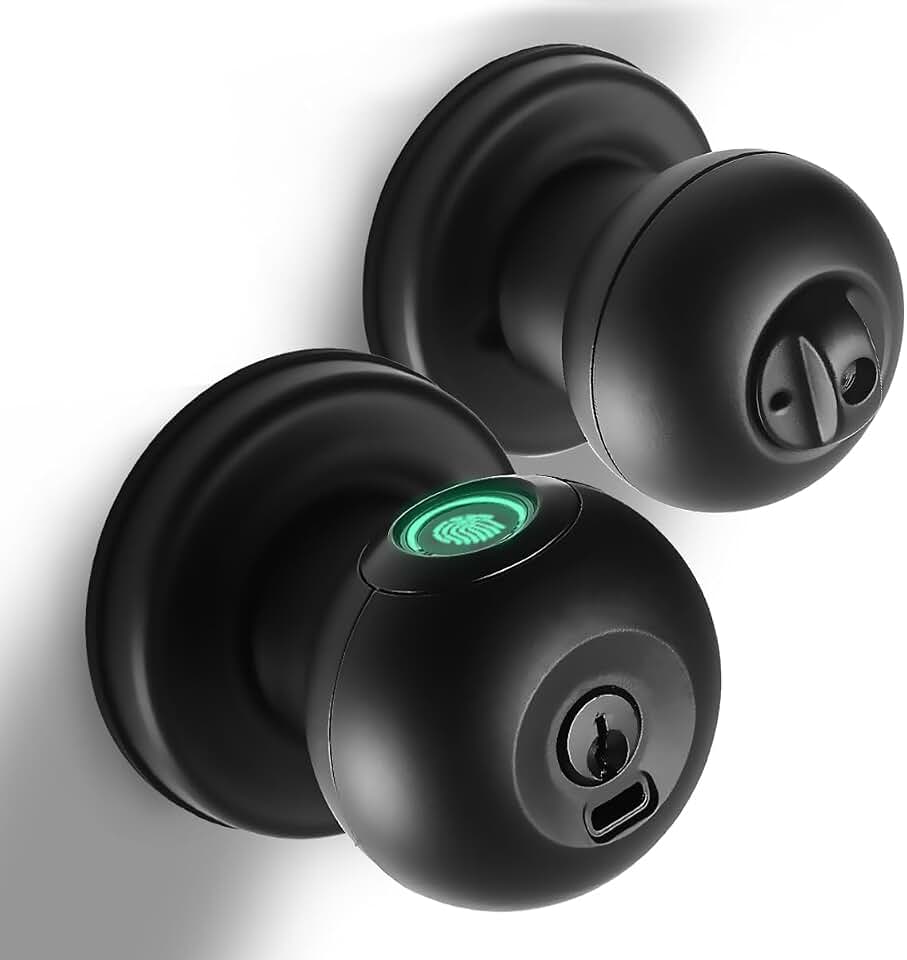

As an Amazon Associate, we may earn from qualifying purchases.
Fix common mistakes
Even the most advanced AI-powered smart agent keys fail when the underlying human workflow is flawed. Technology amplifies existing habits; if your process is messy, automation will just scale the chaos. Here are the three most frequent errors that compromise security and efficiency, and how to correct them.
Leaving physical keys as a fallback
The biggest operational risk in your agency isn't always the ones you're measuring—they're the ones sitting in your key drawer. Florida Realtors notes that top agents double down on high-value connections by eliminating friction, yet many still keep physical keys for "emergencies." This creates a single point of failure. If a digital key is compromised or a battery dies, the physical backup is often lost, stolen, or held by an unvetted third party.
The fix: Treat physical keys as obsolete. If you must have a backup, use a secondary digital credential stored in a separate, secure cloud vault, not a metal key in a lockbox. Audit your key inventory monthly and remove any physical duplicates that haven't been used in 30 days.
Over-automating without access controls
AI agents can schedule viewings and send keys automatically, but they shouldn't have unlimited access to your entire database. A common mistake is granting broad "admin" privileges to automated workflows instead of scope-limited tokens. This increases the blast radius if an API key is leaked.
The fix: Implement role-based access control (RBAC) for your smart keys. Limit AI agents to specific properties and time windows. For example, a listing agent’s AI should only be able to release keys for their own listings between 9 AM and 7 PM, not for the entire agency portfolio.
Ignoring audit trails
Automation is invisible, which makes it dangerous. If an AI agent releases a key, you need to know exactly who, when, and why. Many systems log events but don't alert you to anomalies. A key released at 3 AM to a new user is a red flag, not a routine event.
The fix: Enable real-time anomaly detection. Set up alerts for off-hours access, repeated failed attempts, or keys released to users without prior verification. Regularly review these logs weekly to spot patterns that suggest a security gap in your automation logic.
Smart agent keys 2026: what to check next
Before committing to a new digital key management system, it helps to clarify what the technology actually delivers versus the hype. The landscape has shifted from simple access codes to autonomous AI agents that handle security, scheduling, and maintenance. Here are the practical answers to the most common objections.
What is the best agent in 2026?
There is no single "best" agent because the right choice depends on your specific workflow. If you need a self-hosted, open-source foundation with massive community support, OpenClaw is currently the go-to for developers building from scratch. For real estate professionals, the best agents are those that automate website funnels and traffic generation, such as Smart Agent X, which integrates AI-powered website automation directly into lead capture. The key is matching the tool to your primary bottleneck, whether that is code management or client acquisition.
Are AI smart keys secure enough for daily use?
Security remains the biggest operational risk in digital key management. Many agencies underestimate the vulnerabilities sitting in their current key drawer. Modern AI-powered keys use encrypted, time-bound access tokens that expire automatically, reducing the risk of unauthorized entry. However, you must ensure your provider uses end-to-end encryption and offers audit logs. If the system cannot track who accessed a property and when, it is not secure enough for professional use.
Can smart agents replace traditional property management tasks?
Smart agents cannot fully replace human judgment, but they can handle repetitive, high-volume tasks. In 2026, top agents are doubling down on high-value connections by letting AI handle the initial screening and scheduling. For example, an AI agent can manage key exchanges for showings, coordinate with maintenance vendors, and update listing statuses in real time. This allows you to focus on building momentum with serious buyers rather than administrative overhead.
No comments yet. Be the first to share your thoughts!