
Why smart agent keys 2026 matter now
The physical key is disappearing. In 2026, smart agent keys have moved from novelty to necessity, acting as the primary credential for homes and offices. This shift isn't just about convenience; it is about the convergence of biometrics and AI-managed access. You no longer carry a metal blade. You carry a digital identity that breathes, verifies, and grants entry.
Imagine arriving home after a long day. Your smart lock reads your face or fingerprint, authenticates your identity against a local secure enclave, and unlocks the door without you ever touching a phone. This is the baseline for modern security. The system knows who you are before you even reach for the handle.
This technology integrates seamlessly into broader smart home ecosystems. When you walk through the door, the lights turn on, the thermostat adjusts, and the security cameras switch to 'home' mode. The smart agent key is the trigger for this entire environment, bridging the gap between physical presence and digital control.

Top smart agent key implementations in 2026
The smart agent key has moved past the prototype phase into distinct, usable forms. In 2026, the focus is no longer on raw connectivity but on how these keys integrate into daily routines. The best implementations feel less like gadgets and more like natural extensions of the home. Below are three clear examples of how smart agent keys are being used in the real world.
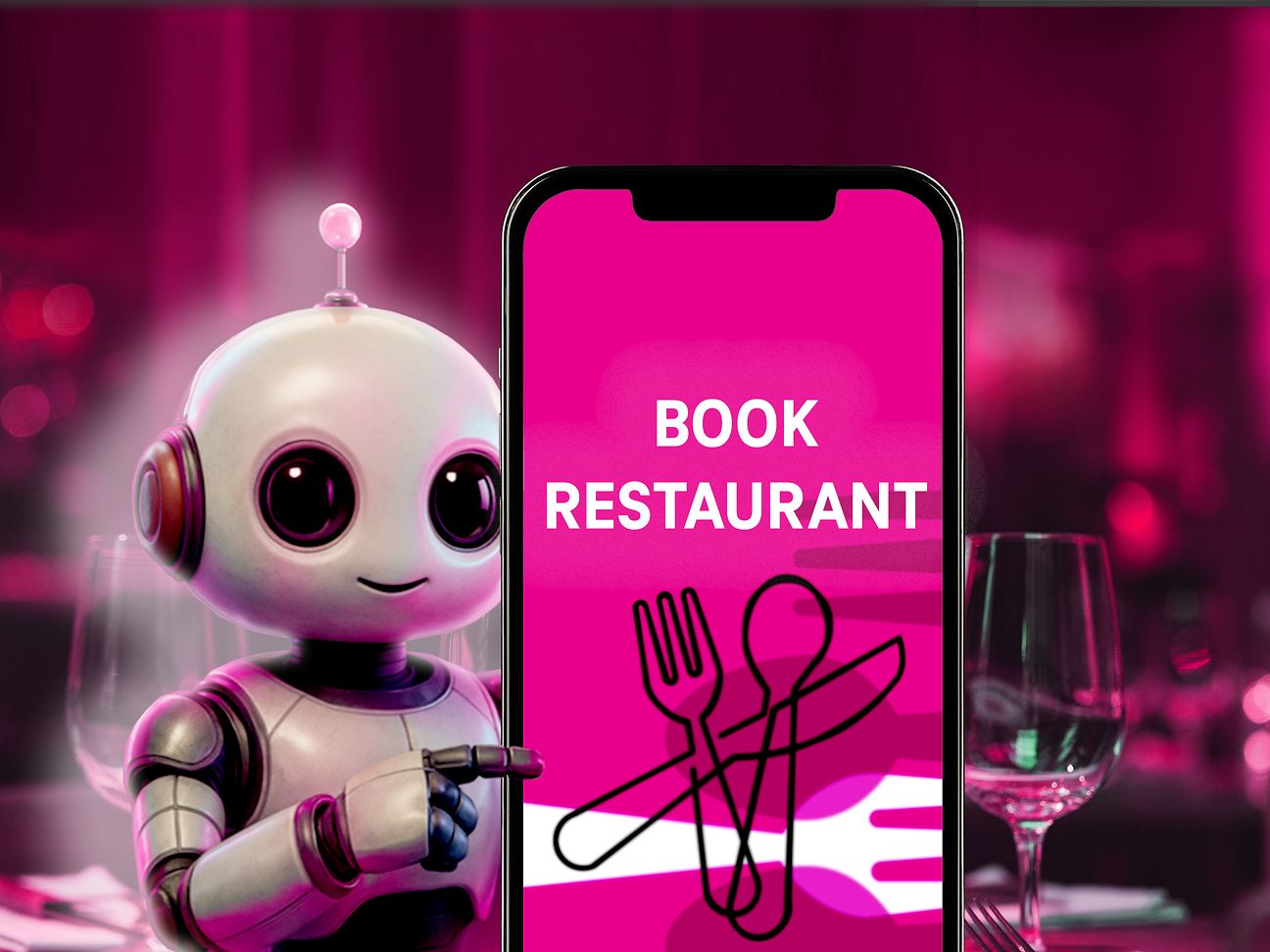
3 Real-World Smart Agent Key Implementations
-
The Seamless Front Door Entry
A minimalist lock that recognizes authorized residents and grants access without a physical key. The system learns entry patterns, automatically locking behind you and notifying the homeowner if an unfamiliar face lingers at the door. This implementation prioritizes aesthetics and frictionless daily use. -
The Digital Keycard for Rentals
Smart agent keys that function as temporary digital credentials for Airbnb hosts or co-living spaces. Instead of handing over physical keys, owners send a time-limited code or NFC tap via an app. The key expires automatically after checkout, removing the need for key exchanges or lock changes. -
The Family Access Manager
A hub-based agent key system that allows parents to create unique, time-bound access profiles for children or caregivers. The system logs every entry and exit, providing a clear audit trail. This implementation focuses on safety and control, ensuring that only trusted individuals can enter the home during specific hours.



These implementations show that the smart agent key is becoming a standard fixture in modern homes. Whether for convenience, security, or sharing access, the technology is now designed to be invisible until it is needed. As CES 2026 trends indicate, the next wave of devices will be even easier to use and better integrated into the overall smart home ecosystem.
How AI Agents Manage Physical Access
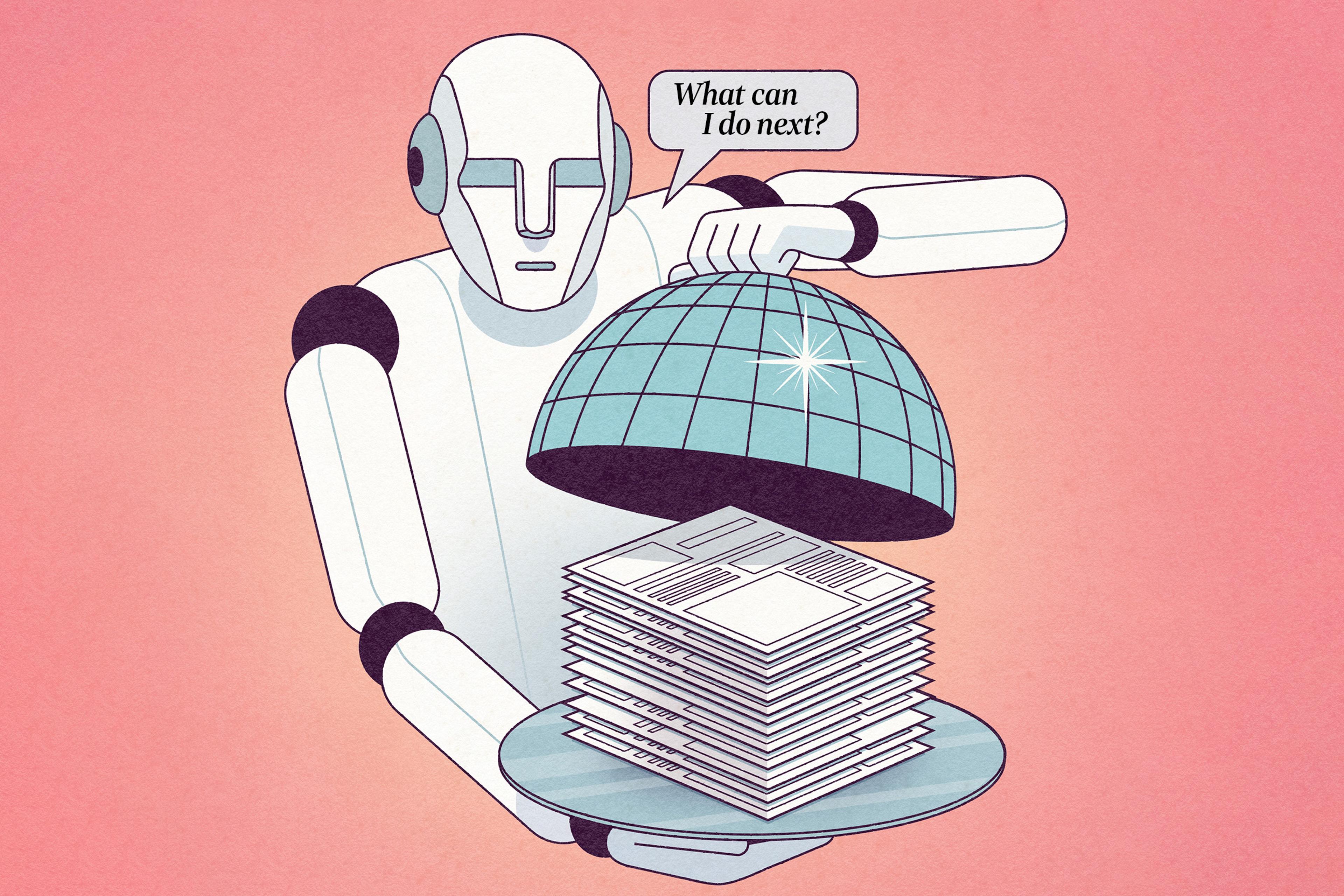
AI agents turn your smart lock from a simple digital deadbolt into an active security partner. Instead of waiting for a manual command, the agent monitors your home’s context—location, time, and other connected devices—and makes decisions automatically. This backend logic ensures that access is granted only when it makes sense, reducing the risk of forgotten keys or unauthorized entry.
Authentication and Context Awareness
The agent verifies identity by combining multiple signals, not just a password or PIN. It checks your smartphone’s location to confirm you are approaching the house, validates biometric data from your watch or phone, and cross-references this with your calendar. If you are running late for a meeting, the agent might pre-authorize entry for your partner before you arrive, ensuring the door is ready without manual intervention.
Anomaly Detection and Alerts
Smart agent keys continuously scan for unusual activity. If a door is forced open or a code is entered incorrectly multiple times, the agent detects the pattern instantly. It can trigger local alarms, send push notifications to your phone, or even contact a monitoring service. This real-time monitoring acts as a digital security guard, identifying threats that traditional locks might miss until after the fact.
Integration with Smart Home Ecosystems
The true power of AI agents lies in their ability to coordinate with other devices. When the agent confirms your identity and grants access, it can simultaneously turn on hallway lights, adjust the thermostat to your preferred temperature, and disarm the security system. Conversely, when you leave, it locks the doors, arms the alarm, and ensures all windows are closed, creating a seamless and secure routine.

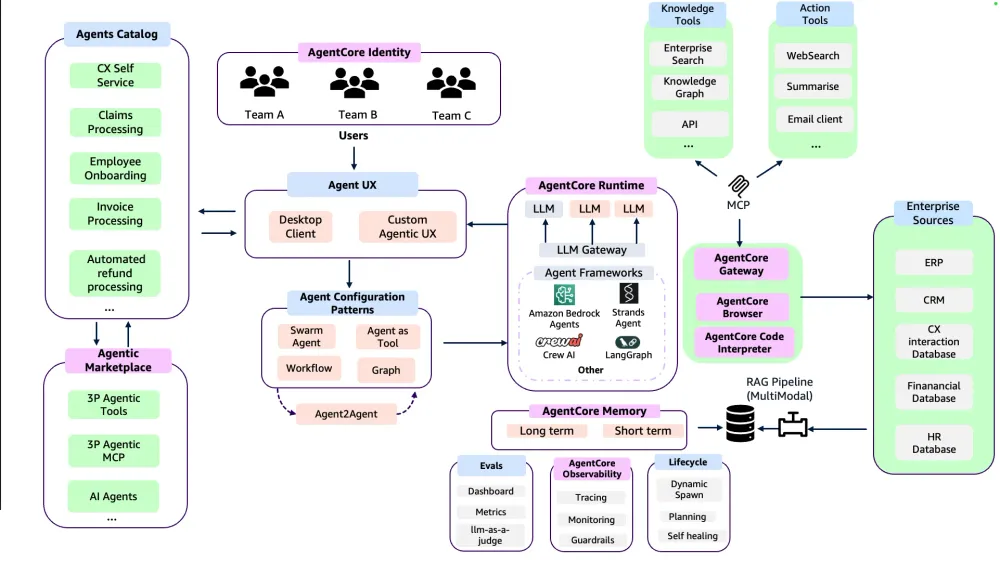
| Feature | Traditional Key Management | Smart Agent Key Management |
|---|---|---|
| Authentication | Single factor (PIN/Key) | Multi-factor (Location, Biometrics, Calendar) |
| Anomaly Detection | None or basic tamper alert | Real-time pattern recognition and alerts |
| Device Integration | None | Lights, thermostats, alarms, and security systems |
Smart Agent Keys in the Connected Home
Smart agent keys have moved past simple door unlocking. They now serve as the physical handshake for your entire home ecosystem. When you walk through the door, the key communicates with your central hub to trigger a sequence of events. The lights turn on, the thermostat adjusts to your preferred temperature, and your security system arms itself for the evening.
This interoperability is the real value. Instead of managing separate apps for your lock, lighting, and climate control, the smart agent key acts as a single point of entry. It leverages standard protocols like Matter and Thread to ensure your key works seamlessly with devices from different manufacturers. You no longer need to worry if your smart lock is compatible with your smart bulbs; the ecosystem handles the coordination.
The user experience shifts from manual control to proactive automation. Think of the smart agent key as a digital butler that knows your routine. If you leave the house, it can notify your security camera to start recording and lock all doors automatically. If you return late at night, it can dim the hallway lights to avoid blinding you. This level of integration makes the technology feel less like a gadget and more like a natural part of your home’s infrastructure.
Common Questions About Smart Agent Keys
Smart agent keys are designed to bridge the gap between digital convenience and physical security. Below are the most frequent concerns regarding their implementation in modern homes and offices.
No comments yet. Be the first to share your thoughts!