The shift to agentic security
The security model for artificial intelligence is undergoing a fundamental structural change. In 2026, AI systems are no longer passive tools that respond to static prompts; they are autonomous actors capable of planning, reasoning, and executing multi-step workflows across enterprise environments. This transition from reactive assistance to proactive agency requires a complete overhaul of how organizations manage digital identity and access control.
Traditional perimeter-based defenses are insufficient for agentic systems. Because these agents operate with varying levels of autonomy, they require granular identity management that can adapt to dynamic task requirements. CyberArk notes that security for AI agents will not exist in isolation but will become integrated into a broader security platform, where identity, access, and privilege serve as the primary controls. This integration ensures that every action an agent takes is authenticated, authorized, and auditable in real time.
The architectural shift toward agentic systems introduces new attack vectors. Autonomous software entities can be manipulated to exploit legitimate access rights, leading to potential data exfiltration or system compromise if not properly constrained. Security teams must now design for trust, implementing zero-trust principles that verify every interaction, regardless of the source. This means moving beyond simple API key management to sophisticated policy engines that understand context and intent.
As enterprises deploy more autonomous agents, the focus must remain on technical identity and access management. Without robust controls, the very autonomy that makes these systems valuable becomes their greatest vulnerability. The 2026 landscape demands security architectures that are as dynamic and adaptive as the AI systems they protect.
The four-phase identity lifecycle for autonomous agents
Securing autonomous agents requires treating their digital identity with the same rigor as human employee access. Unlike static software, agents operate continuously, making their identity lifecycle the primary control plane for security. The framework consists of four distinct phases: provisioning, authorization, runtime enforcement, and deprovisioning. Each phase must be strictly defined to prevent identity sprawl and unauthorized action.
Provisioning and Initialization
Provisioning is the creation of the agent’s unique cryptographic identity. This phase assigns a verifiable credential that binds the agent to its specific purpose and owner. According to the 2026 Deployment Guide, this step must include immutable metadata about the agent’s origin and intended function. Without a clean, verified initial state, subsequent security controls lack a trusted foundation.
Authorization and Scoping
Once provisioned, the agent requires precise authorization boundaries. This phase defines the exact resources, data, and actions the agent is permitted to perform. Authorization should follow the principle of least privilege, granting only the minimum permissions necessary for the task. Scoping prevents lateral movement if an agent is compromised, limiting the blast radius of any potential breach.
Runtime Enforcement
Runtime enforcement ensures that the agent operates within its authorized boundaries throughout its execution. This involves continuous monitoring of API calls, data access, and decision-making processes. Security systems must validate each action against the pre-defined scope in real-time. Any deviation from the authorized behavior triggers immediate alerts or automatic termination of the session.
Deprovisioning and Revocation
The final phase is the secure retirement of the agent’s identity. When an agent’s task is complete or its subscription expires, its credentials must be immediately revoked. This includes invalidating all active tokens and removing access to shared resources. Failure to deprovision properly leaves dormant identities that can be exploited by malicious actors to gain unauthorized access.

-
Verify cryptographic identity assignment during provisioning
-
Enforce least-privilege scoping for all agent actions
-
Monitor runtime behavior against authorized boundaries
-
Immediately revoke credentials upon agent retirement
OWASP Top 10 risks for agentic apps
The OWASP Top 10 for Agentic Applications 2026 introduces a critical shift in security posture. Traditional LLM risks focused on prompt injection and data leakage. Agentic apps introduce new vectors where autonomous systems execute actions, manage credentials, and interact with external APIs. This section details the specific technical vulnerabilities identified by OWASP for 2026, moving beyond traditional LLM risks to agent-specific threats.
Key Agentic Vulnerabilities
The framework highlights risks unique to autonomous agents. These include AI Agent Hijacking, where attackers take control of the agent's decision-making process. Agent Credential Over-Privilege occurs when agents are granted excessive permissions, allowing them to access sensitive data or perform unauthorized actions. Agent-to-Agent Communication Risks arise from unverified interactions between multiple agents, potentially leading to data exfiltration or malicious instruction propagation.
Comparison: LLM vs. Agentic Risks
The table below compares traditional LLM risks with new agentic application risks.
| Risk Category | Traditional LLM | Agentic App |
|---|---|---|
| Injection | Prompt Injection | Agent Hijacking |
| Access Control | Data Leakage | Credential Over-Privilege |
| Interaction | Hallucination | Unverified Agent-to-Agent |
Mitigation Strategies
Security teams must adopt a zero-trust approach for agentic systems. This includes strict identity and access management (IAM) for agents, regular security audits, and continuous monitoring of agent actions. Implementing human-in-the-loop controls for high-risk actions is also essential. By addressing these specific vulnerabilities, organizations can build more secure and trustworthy autonomous systems.
Enterprise consolidation of AI security platforms
As AI agents move from pilot programs into core production environments, enterprise security teams are facing a fragmented landscape. Securing autonomous systems requires more than just perimeter defense; it demands rigorous identity management, granular access control, and continuous privilege monitoring. Treating agent security as an isolated layer creates blind spots that attackers can exploit.
Leading security providers are responding by integrating agent-specific protections into broader identity and access management (IAM) platforms. According to CyberArk, security for AI agents will not live in isolation but will become part of a unified platform where identity, access, and privilege serve as the foundational controls. This consolidation reduces the complexity of managing multiple disparate tools and ensures consistent policy enforcement across human and machine identities.
This trend reflects a broader shift in enterprise security strategy. Instead of buying point solutions for every new technology, organizations are seeking comprehensive platforms that can handle the unique challenges of AI agents alongside traditional infrastructure. By centralizing control, enterprises can better audit agent behavior, enforce least-privilege access, and respond to threats in real-time. The result is a more resilient security posture that scales with the growing complexity of autonomous systems.
Deploying Secure Agent Architectures
Building trust in autonomous systems requires shifting security from the perimeter to the agent itself. As adoption accelerates, security models often lag behind deployment speed. To mitigate this gap, enterprises must implement strict identity controls and continuous runtime oversight. This section outlines the core architectural steps for securing agentic workflows.
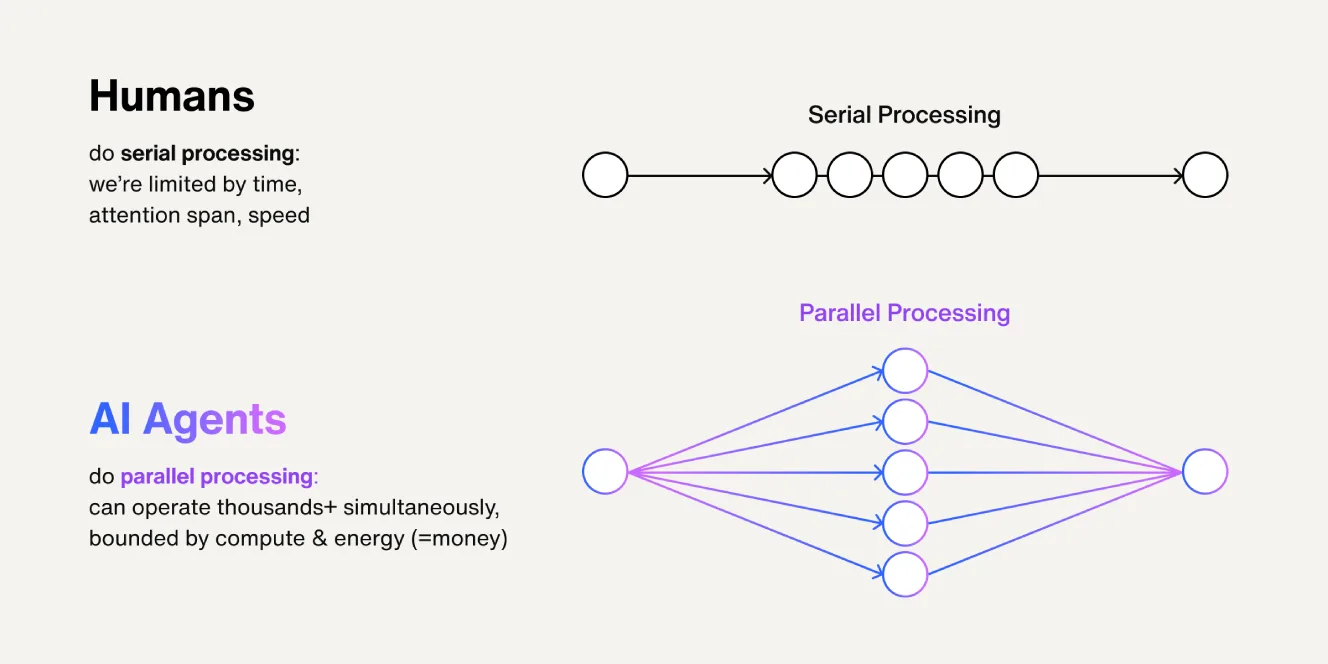
Agents should operate with the minimum permissions necessary to complete their tasks. Use OWASP’s guidelines to define granular scopes for each agent’s identity. Avoid broad administrative roles; instead, assign specific API keys or service accounts tied to individual functions. This limits the blast radius if an agent is compromised or behaves unexpectedly.
Static security checks are insufficient for dynamic agents. Deploy continuous monitoring tools that track agent actions in real-time. Look for anomalies such as unexpected API calls or data exfiltration attempts. CyberArk emphasizes the need for identity-aware proxies that validate every request, ensuring that agents adhere to their defined behavioral boundaries throughout their lifecycle.

Treat all inputs and outputs as untrusted. Implement strict schema validation for data entering the agent and sanitize outputs before they reach downstream systems. This prevents prompt injection attacks and ensures that agents do not inadvertently leak sensitive information or execute malicious commands based on corrupted data.
By following these steps, organizations can build a resilient foundation for AI agents. The goal is not just to prevent attacks, but to ensure that autonomous systems operate predictably and securely within enterprise environments.
No comments yet. Be the first to share your thoughts!