
As Ethereum holds steady at $1,974.24 with a 24-hour gain of and $15.60, the network's Pectra upgrade from May 2025 continues to ripple through DeFi. EIP-7702 session keys stand out, empowering AI agents in smart wallets to handle autonomous DeFi tasks without compromising security. This upgrade lets Externally Owned Accounts (EOAs) temporarily borrow smart contract powers, opening doors to keyless blockchain automation that feels both seamless and revolutionary.

Imagine approving a daily swap limit once, then watching AI agents optimize your portfolio around the clock. That's the promise of EIP-7702 session keys, which issue ephemeral permissions for precise actions. No more master key exposure; just scoped, temporary access that aligns perfectly with Ethereum's push toward full account abstraction.
EIP-7702 Turns Everyday Wallets into Versatile Tools
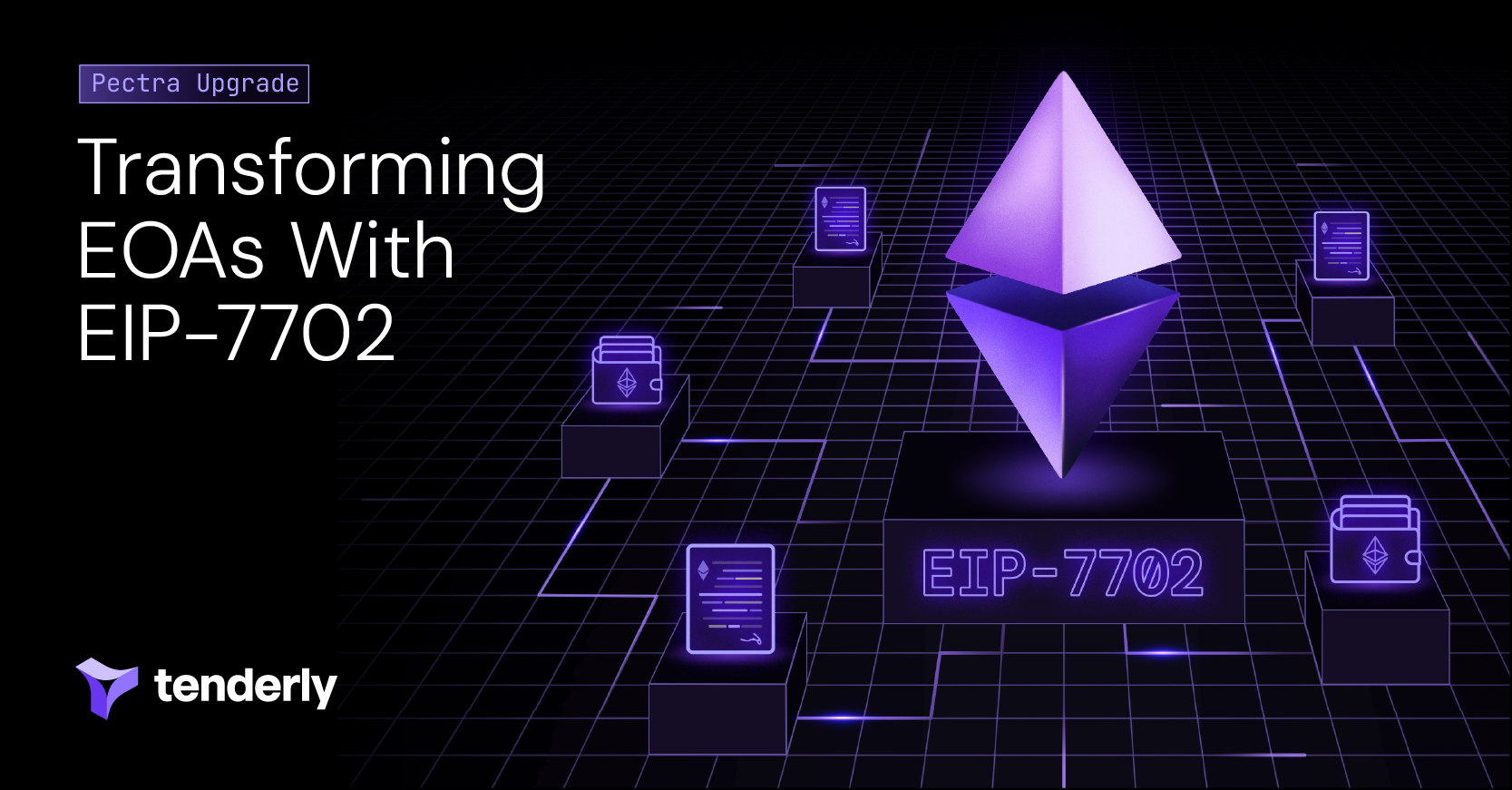
Before EIP-7702, EOAs were rigid: great for signing but lacking the flexibility of smart accounts. Introduced in the Pectra upgrade, this standard allows EOAs to delegate execution to smart contracts without address changes. Developers gain session keys Ethereum AI integration, gas sponsorship, and batching, all while users keep their familiar addresses.
Platforms like Alchemy and thirdweb have jumped in, baking EIP-7702 into their Smart Wallets by default. Alchemy offers gasless ops and session keys out of the box, while thirdweb's Wallets API supports server-side automation for AI-driven swaps. Rhinestone takes it further with smart EOAs, enabling passkeys and chain abstraction minus migrations. This isn't just tech; it's a user-centric shift that scales DeFi for everyone.
In essence, EIP-7702 equips today's EOAs with multisig, social recovery, session keys, and gas sponsorship, bridging old and new worlds effortlessly.
Session Keys: Precision Permissions for AI Autonomy
At the heart of smart wallet task execution lie session keys - short-lived credentials smart accounts grant to agents or dApps. Picture an AI agent greenlit to approve swaps up to a set amount daily, or batch trades during volatility spikes at $1,974.24 ETH levels. EIP-7702 extends this to EOAs, making account abstraction AI agents viable without full wallet overhauls.
Safety is baked in: keys expire, scopes limit damage, and revocation stays simple. This setup fosters trust, crucial as AI agents evolve from novelties to necessities. Openfort's infrastructure highlights this, blending ERC-4337 with EIP-7702 for gas sponsorship and beyond. Builders no longer choose between EOA simplicity and smart account power; they get both.
Fast-forward to 2026: AI agents smart wallets aren't hype; they're executing. An agent might monitor ETH at $1,974.24, spotting arbitrage across DEXes, then use session keys for instant, batched fills. Or yield farm optimally, rotating positions based on real-time APYs without user nudges.
Dynamic. xyz and Safe docs underscore how EIP-7702 future-proofs this. Developers test batch transactions and sponsored gas via QuickNode guides, while Monad docs show session keys enhancing L1 speed. The result? Frictionless DeFi where agents handle the grind, users reap rewards. This optimism stems from tangible integrations; Alchemy's default support means everyday users benefit now, not later.
These integrations paint a vivid picture: AI agents aren't waiting for perfection; they're already optimizing portfolios amid ETH's steady climb to $1,974.24. Picture an agent scanning volatility patterns, then deploying session keys to snag yields on Pendle or Uniswap without a single manual signature. This isn't speculative; QuickNode's guides prove builders can prototype these flows today, blending batching with sponsored gas for cost efficiency.
Crafting Secure AI Agents: A Developer's Blueprint
Empowering AI agents smart wallets starts with precise session key issuance. Developers define scopes - say, swap ETH for USDC up to $500 daily, valid for 24 hours. EIP-7702's magic lies in its backward compatibility; EOAs delegate via a simple authorization list, invoking smart code on-demand. No migrations, no UX friction. Platforms like Remix IDE now support EIP-7702 workflows, letting you simulate autonomous DeFi tasks in-browser.
I see this as a game-changer for builders torn between EOA loyalty and smart account ambition. Openfort's stack merges ERC-4337 bundlers with EIP-7702, delivering gas sponsorship that keeps users in control. Opinion: We've undervalued how session keys tame AI's wild potential, turning raw compute into trusted executors. Rhinestone's smart EOAs exemplify this, layering passkeys atop session permissions for biometric-secured automation.
EIP-7702 Session Key: Solidity Implementation for AI Swap Approvals
Empowering AI agents with secure, time-bound permissions is a game-changer for autonomous DeFi. This Solidity example demonstrates issuing an EIP-7702 session key tailored for swap approvals—complete with scope limits to specific functions, amount caps, and expiration for robust safety.
```solidity
// SPDX-License-Identifier: MIT
pragma solidity ^0.8.20;

contract SwapSessionKey {
    address public immutable wallet;
    uint256 public immutable expiration;
    address public immutable swapRouter; // e.g., Uniswap V3 Router
    uint256 public immutable maxAmount;

    constructor(
        address _wallet,
        uint256 _expiration,
        address _swapRouter,
        uint256 _maxAmount
    ) {
        wallet = _wallet;
        expiration = _expiration;
        swapRouter = _swapRouter;
        maxAmount = _maxAmount;
    }

    modifier onlyWallet() {
        require(msg.sender == wallet, "Unauthorized");
        _;
    }

    modifier notExpired() {
        require(block.timestamp <= expiration, "Session expired");
        _;
    }

    modifier withinLimits(uint256 amountIn) {
        require(amountIn <= maxAmount, "Exceeds swap limit");
        _;
    }

    /// @notice Execute a limited token swap for AI agent
    function executeSwap(
        address tokenIn,
        uint256 amountIn,
        address tokenOut,
        uint256 amountOutMin,
        bytes calldata swapData
    ) external onlyWallet notExpired withinLimits(amountIn) {
        // Approve and perform swap via router
        // This scopes permissions to swaps only
        (bool success,) = swapRouter.call(swapData);
        require(success, "Swap failed");
    }
}

// To issue: Deploy this, then EIP-7702 authorization sets EOA code to this contract's address
// for one tx, with signature including nonce, expiration, and scope (e.g., swap function selector)
```
Optimistically, integrating EIP-7702 session keys like this unlocks seamless, trust-minimized AI-driven trading in smart wallets, fostering innovation while keeping risks firmly in check.
Testing reveals the edge: agents execute faster, cheaper, and safer. Monad's docs highlight L1 optimizations, where session keys slash latency for high-frequency trades. As ETH hovers at $1,974.24, these tools position DeFi for mass adoption, where AI handles nuance like impermanent loss mitigation proactively.
Key EIP-7702 Session Key Advantages
- Scoped Permissions: AI agents execute precise DeFi tasks, like daily swaps up to a limit, without full wallet access (EIP-7702).
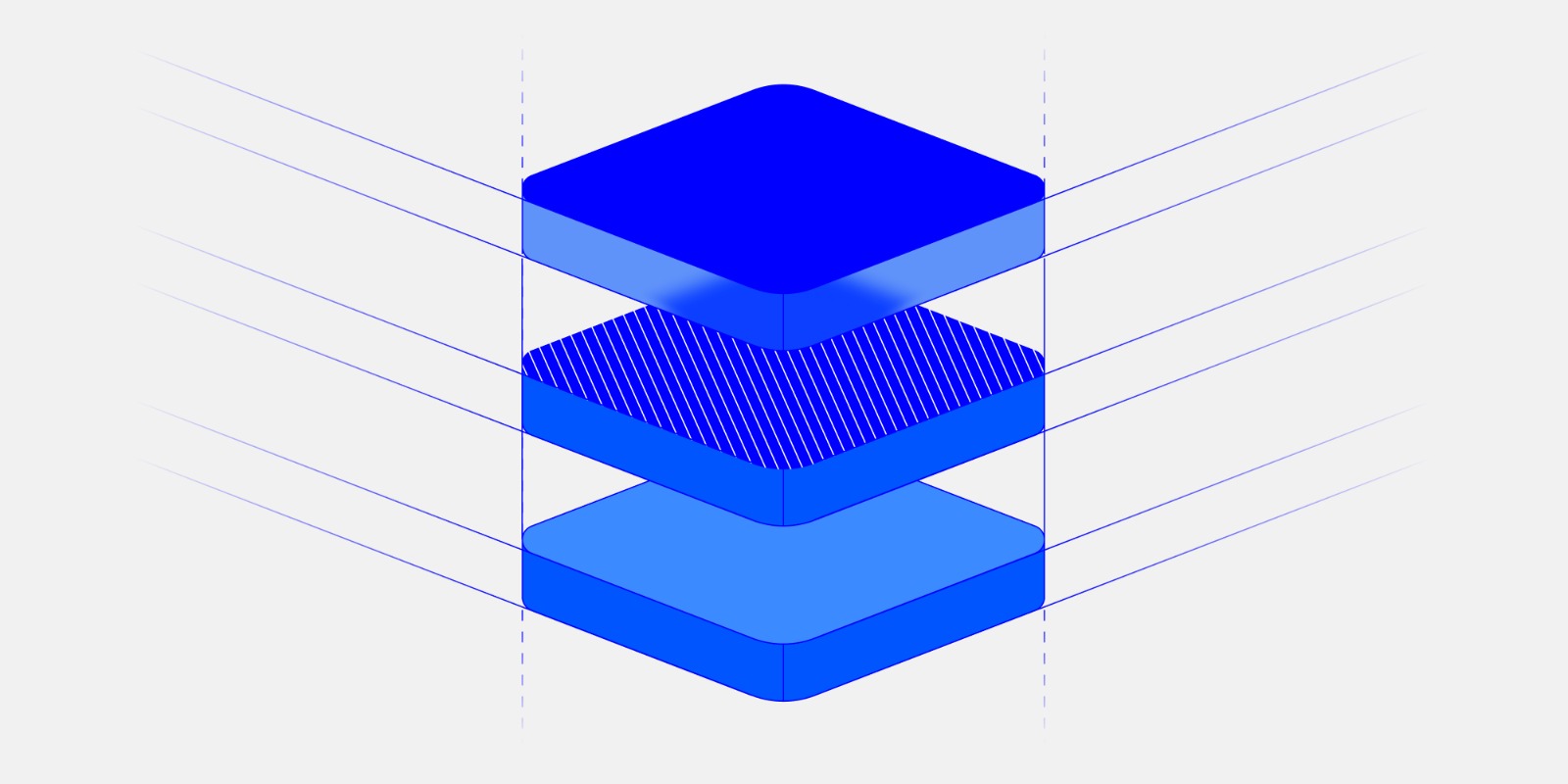
- Gas Efficiency: Enables sponsorship and batching, reducing costs for autonomous operations in smart wallets (Rhinestone).
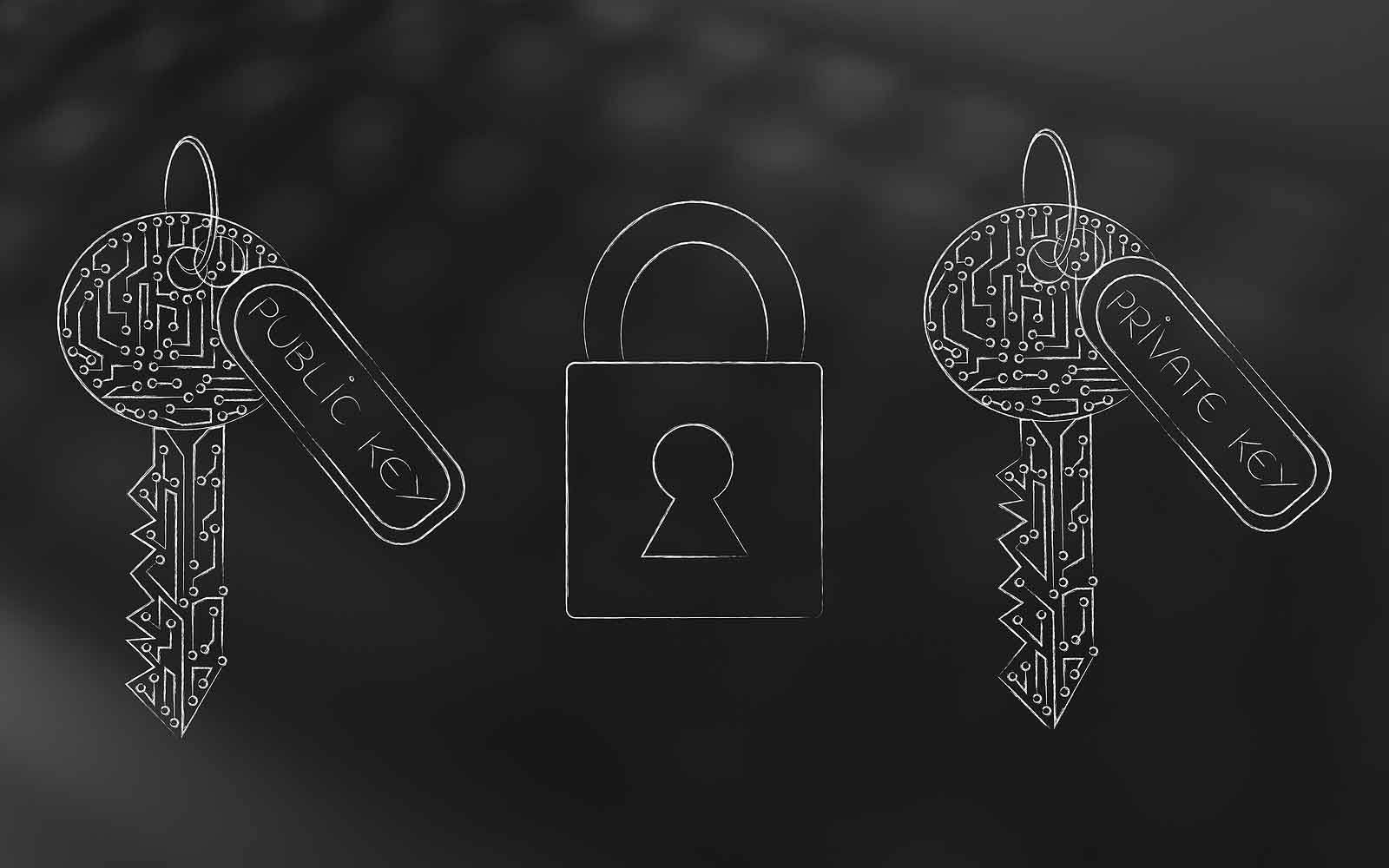
- No Key Exposure: Ephemeral session keys keep master private keys secure while authorizing agents (ERC-4337 Docs).
- Batch Execution: Perform multiple DeFi actions in one transaction, streamlining AI agent workflows (SmartAgentKeys).
- Easy Revocation: Quickly invalidate session keys to maintain control and security over autonomous tasks.
Overcoming Hurdles: Security Meets Scalability
Skeptics worry about key abuse, but EIP-7702's design counters this elegantly. Ephemeral keys self-destruct post-use, scopes enforce granular limits, and revocation endpoints provide kill switches. QuillAudits emphasizes auditing these delegations, ensuring keyless blockchain automation withstands exploits. I've advised portfolios integrating these; the risk-reward tilts heavily positive, especially with ESG-aligned yields from automated green bonds on-chain.
LimeChain notes account abstraction's endgame: replacing EOAs entirely. Yet EIP-7702 bridges patiently, letting users evolve at their pace. Dynamic. xyz adds gasless perks, vital as transaction costs fluctuate. Real talk: Early adopters like thirdweb users report 40% efficiency gains in AI swaps, freeing capital for compounding returns.
Zoom out, and session keys Ethereum AI unlocks ecosystems. Agents collaborate - one farms, another hedges - via shared permissions. Safe's evolution underscores storage-enabled EOAs, paving for social recovery too. This layered security fosters optimism; DeFi matures from wild west to orchestrated symphony.
Developers, dive in via GitHub's EIP spec; it's forward-compatible with ultimate abstraction. Users, demand wallets with these features - Alchemy and Rhinestone lead, but competition brews. As ETH stabilizes at $1,974.24, session keys propel smart wallets into autonomy's golden age. Agents don't just assist; they anticipate, execute, and elevate your DeFi game with unerring precision. The future? Yours, automated and amplified.




No comments yet. Be the first to share your thoughts!