

In the evolving landscape of decentralized finance, where Ethereum's price holds steady at $2,000.26 amid a 24-hour dip of $81.97, innovations like EIP-7702 are quietly reshaping how users interact with smart wallets. Introduced in the Pectra upgrade in May 2025, this protocol empowers Externally Owned Accounts (EOAs) to delegate execution to smart contracts temporarily, paving the way for EIP-7702 session keys that make AI agents in smart wallets a practical reality. No longer confined to cumbersome migrations, users can now authorize scoped permissions for automated DeFi tasks, enhancing efficiency without sacrificing control.
This development addresses longstanding friction in account abstraction, allowing EOAs to borrow smart account capabilities on-demand. With over 11,000 authorizations recorded shortly after launch, adoption signals strong developer interest, yet conservative investors should note the heightened security demands, as firms like Blockaid warn of risks in simulation and session key management.
Decoding EIP-7702: From EOAs to Programmable Powerhouses
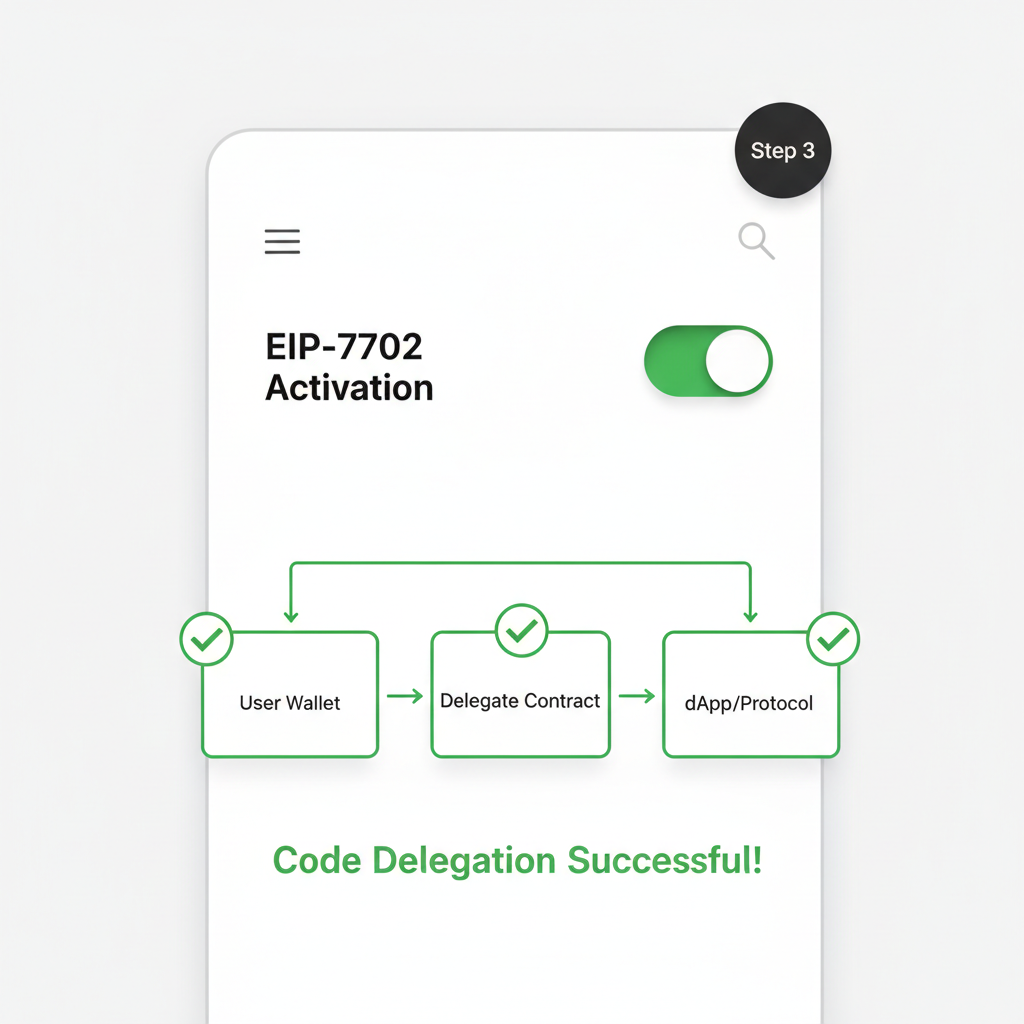
EIP-7702 fundamentally alters the EOA paradigm by introducing a new transaction type. An EOA can specify a smart contract address as its code pointer, enabling batching, gas sponsorship, and crucially, session keys for limited-time access. Unlike full smart account migrations, this temporary delegation preserves user familiarity while unlocking programmability.
Consider the mechanics: a transaction includes a contract_code field pointing to an implementation like Openfort's Delegator Account, which bundles session keys with WebAuthn support. Platforms such as thirdweb's Wallets API and Gelato's Smart Wallet SDK have integrated this swiftly, offering backend services secure transaction execution sans main keys. For AI agents, this means delegating DeFi swaps or yield farming with predefined rules, all from a familiar wallet interface.
In essence, EIP-7702 bridges the gap between legacy EOAs and next-gen smart accounts, fostering one-click DeFi automation without the perils of overhauling user habits.
Yet, from a risk-adjusted perspective, this power demands vigilance. Rapid uptake post-Pectra underscores utility, but potential exploits like malicious upgrades necessitate robust validation layers.
Session Keys: The Secure Backbone for AI Agents in Smart Wallets
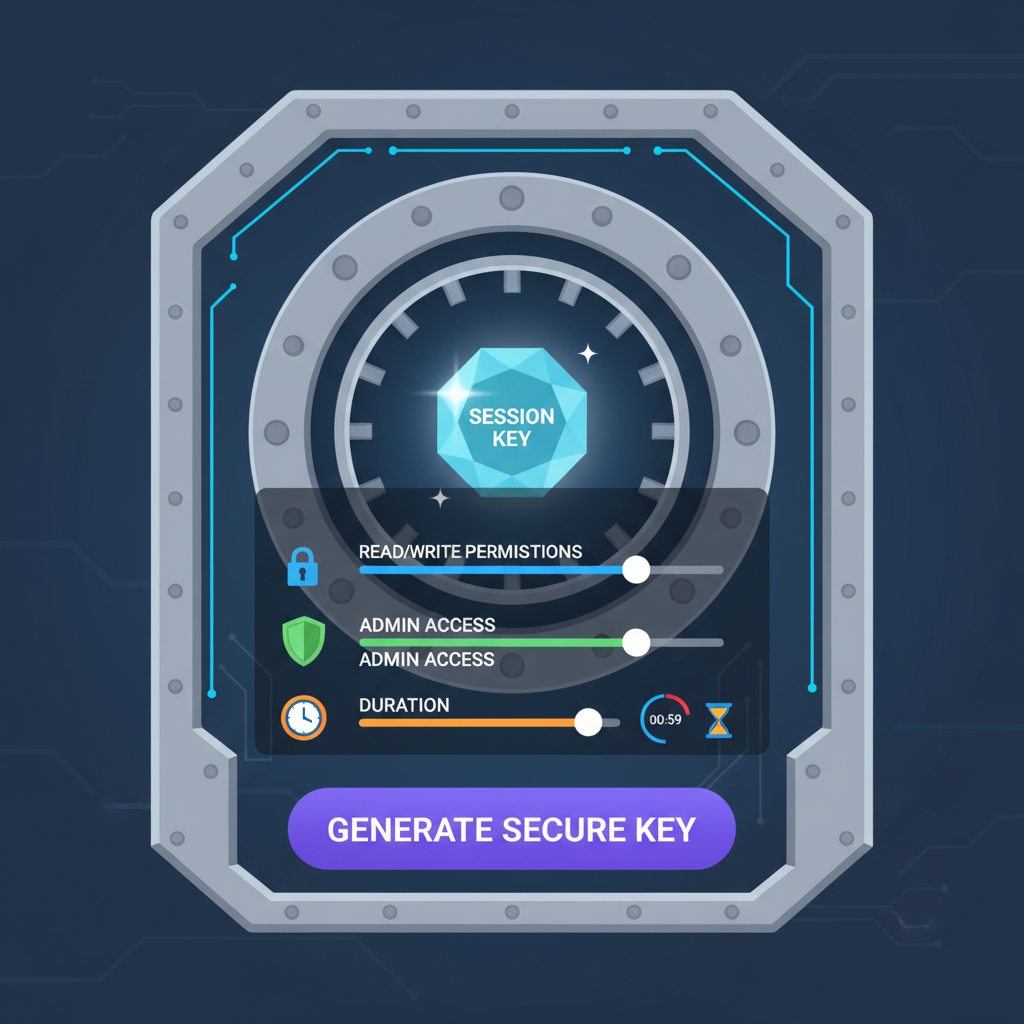
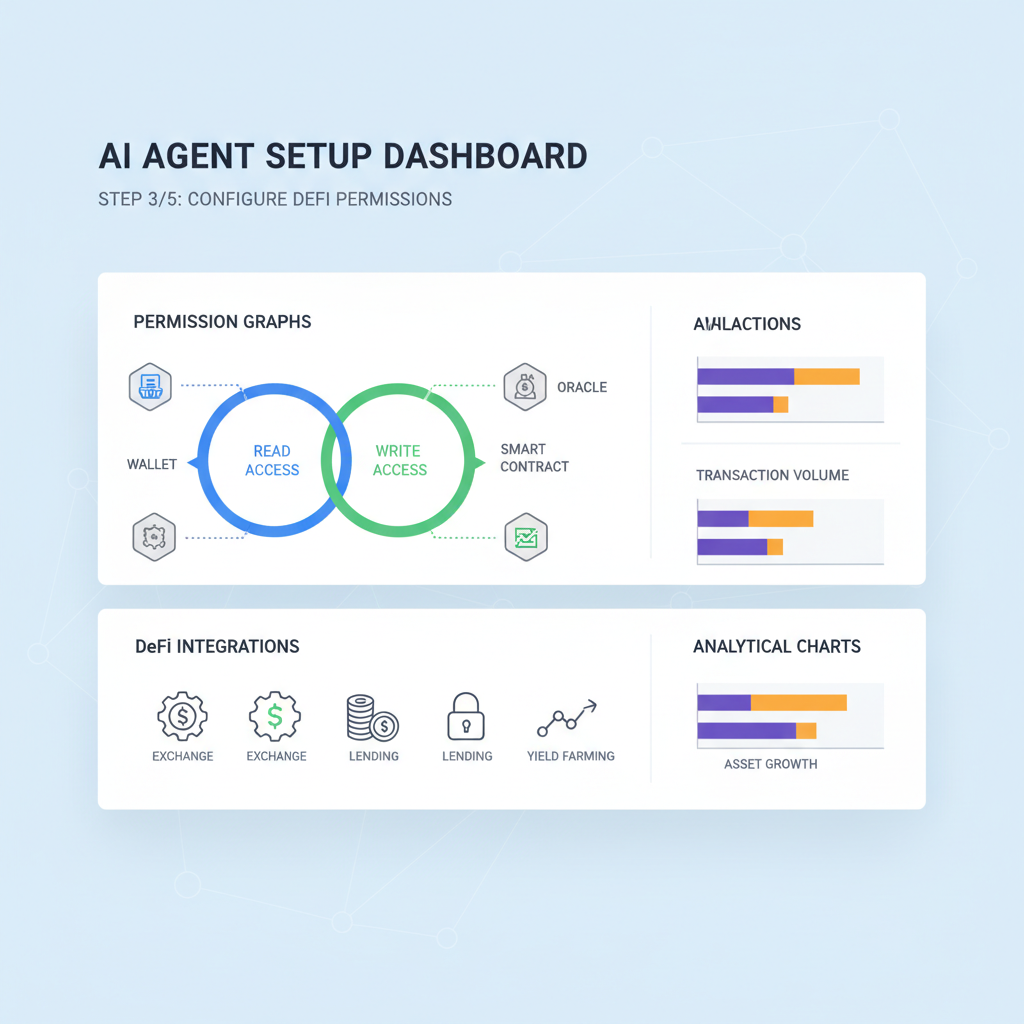
At the heart of AI agents smart wallets lies session keys, ephemeral permissions tailored for blockchain tasks. EIP-7702 enables these keys to activate smart contract logic temporarily, confining AI agents to actions like liquidity provision or oracle queries within set parameters - time-bound, value-capped, or protocol-specific.
Take Ambire Wallet's vision: delegate permissions directly, empowering autonomous agents for Web3 workflows. Bitte. ai exemplifies this by embedding AI into DeFi, automating strategies via session keys. Developers benefit from Biconomy's guides, which highlight UX improvements through programmable EOAs, reducing multi-step approvals to seamless executions.
- Scoped access prevents overreach, limiting agents to approved contracts.
- Revocability ensures users retain sovereignty, expiring keys post-task.
- Integration with EIP-7702 standards future-proofs dApps against EVM upgrades.
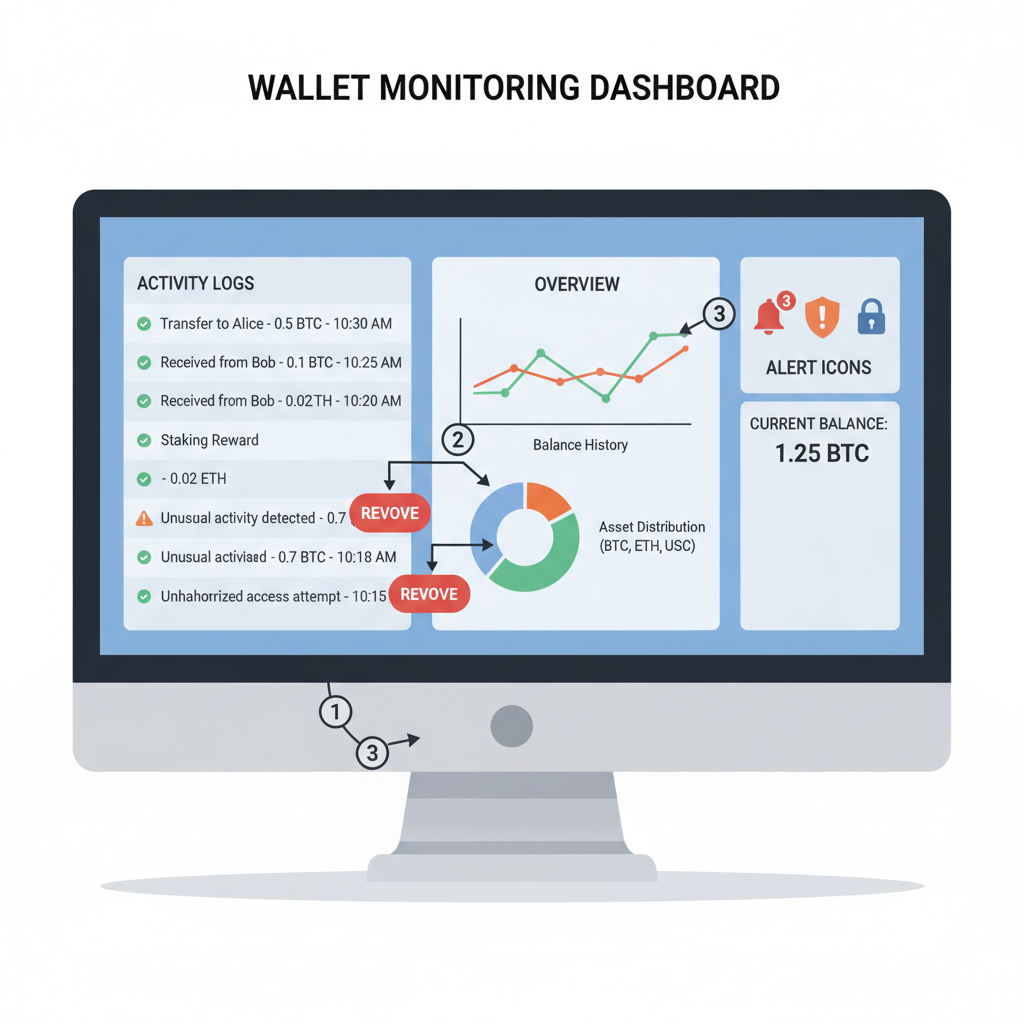
Conservatively, while enticing, session keys amplify attack surfaces. Privy Docs and Alchemy emphasize accurate delegation to mitigate threats, advising simulation akin to Blockaid's protocols.
Ethereum (ETH) Price Prediction 2027-2032
Long-term forecast based on EIP-7702 adoption, DeFi automation, AI agents, and market cycles | Baseline: $2,000.26 (2026)
| Year | Minimum Price | Average Price | Maximum Price | YoY % Change (Avg) |
|---|---|---|---|---|
| 2027 | $2,500 | $3,500 | $5,000 | +75% |
| 2028 | $3,800 | $5,500 | $8,500 | +57% |
| 2029 | $5,000 | $8,000 | $13,000 | +45% |
| 2030 | $6,500 | $11,500 | $19,000 | +44% |
| 2031 | $8,500 | $16,000 | $27,000 | +39% |
| 2032 | $11,000 | $22,000 | $38,000 | +38% |
Price Prediction Summary
Ethereum's price is projected to experience substantial growth from 2027 to 2032, with average prices climbing from $3,500 to $22,000, fueled by EIP-7702's enhancements in account abstraction, session keys for AI agents, and seamless DeFi automation. Bullish maxima reflect adoption and tech upgrades, while minima account for potential bearish scenarios like regulatory hurdles or market corrections. Overall, a 11x increase in average price highlights ETH's strong long-term potential.
Key Factors Affecting Ethereum Price
- Rapid adoption of EIP-7702 post-Pectra upgrade (May 2025), enabling smart EOAs, session keys, and AI-driven DeFi automation
- Improved user experience in smart wallets, gasless transactions, and programmable permissions boosting on-chain activity
- Ethereum scalability upgrades (e.g., L2 growth) and institutional inflows supporting higher valuations
- Market cycles: Post-2026 recovery into bull phases around halvings and macro tailwinds
- Regulatory developments: Potential clarity favoring DeFi vs. risks of crackdowns impacting minima
- Competition from alt-L1s mitigated by ETH's dominance in DeFi TVL and developer ecosystem
Disclaimer: Cryptocurrency price predictions are speculative and based on current market analysis. Actual prices may vary significantly due to market volatility, regulatory changes, and other factors. Always do your own research before making investment decisions.
Streamlining DeFi with One-Click Automation via Smart Wallet Agents
Imagine authorizing an AI agent with a single click to optimize your portfolio across Uniswap and Aave, leveraging account abstraction EIP-7702. Session keys make this viable, as Gelato's SDK delivers gasless, programmable accounts for embedded wallets.
In practice, thirdweb enables backend AI services to batch transactions securely, ideal for high-frequency DeFi like arbitrage or rebalancing. HackMD's deep dives reveal implementation nuances, such as pointer addresses for EOAs, while QuillAudits stresses session keys' role in short-term automation sans permanent shifts.
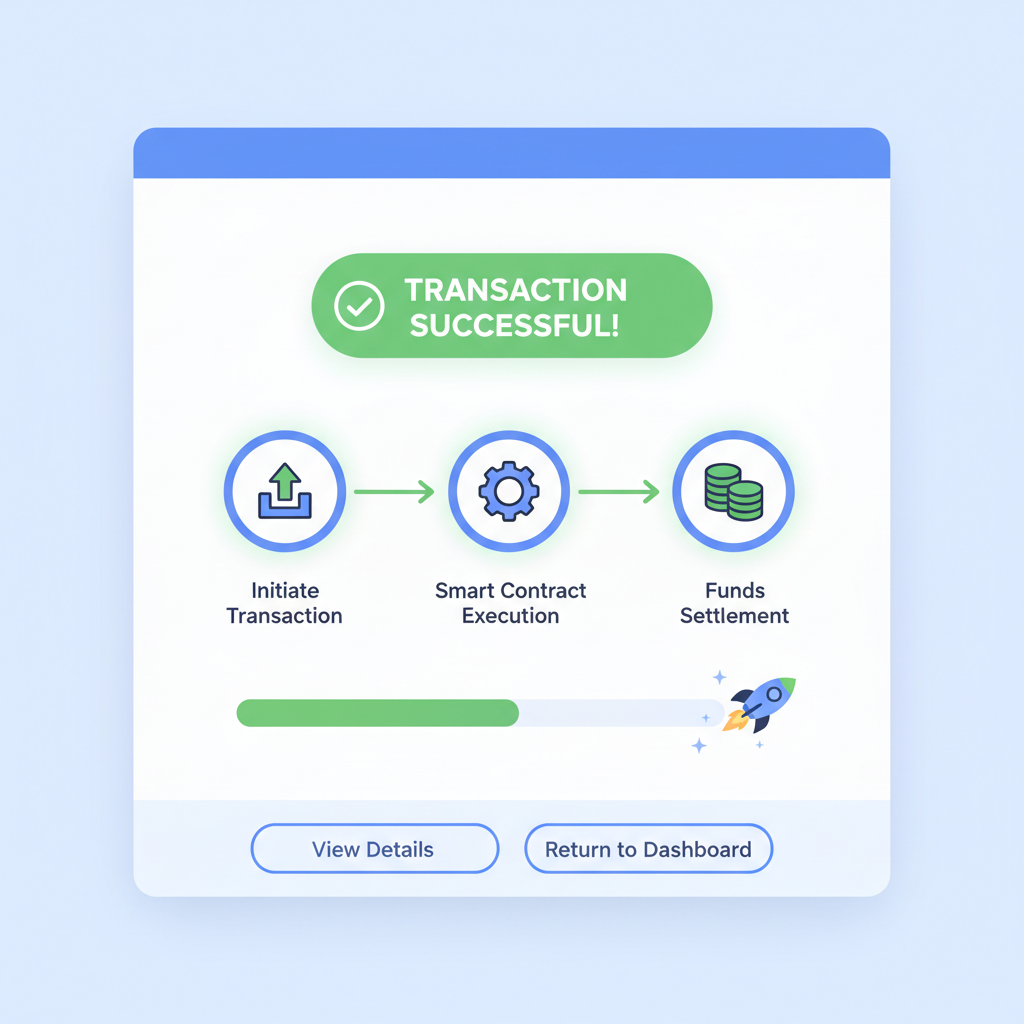
- Initiate via wallet: Select agent task and parameters.
- Generate session key: EIP-7702 transaction delegates code.
- Execute autonomously: Agent operates within bounds, reports back.
This paradigm shifts DeFi from manual drudgery to intelligent oversight, yet demands disciplined risk assessment. With Ethereum at $2,000.26, stability favors measured adoption over speculative rushes into unvetted agents.
thirdweb's support for EIP-7702 exemplifies this conservative approach, providing scoped permissions that align backend AI operations with user-defined limits. As Ethereum maintains its position at $2,000.26, such tools encourage steady integration rather than hasty experimentation.
Hands-On: Deploying Session Keys for Autonomous DeFi Tasks
To harness session keys blockchain tasks, developers start with a compatible wallet SDK. Gelato's offering stands out for its gasless relayer and programmable logic, ideal for smart wallet autonomous agents. The process delegates EOA control via a Pectra-enabled transaction, activating smart contract features on-demand.
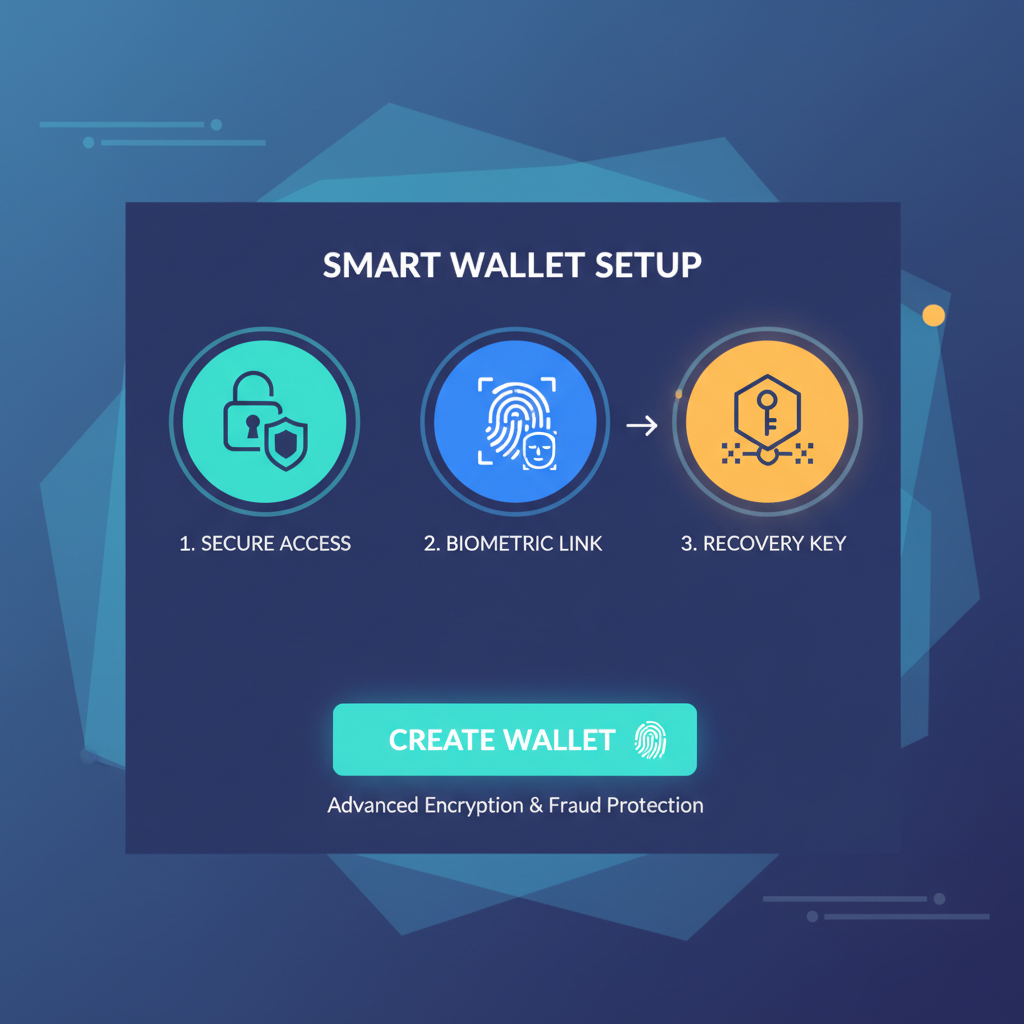
Secure EIP-7702 Session Keys Setup for One-Click DeFi Automation
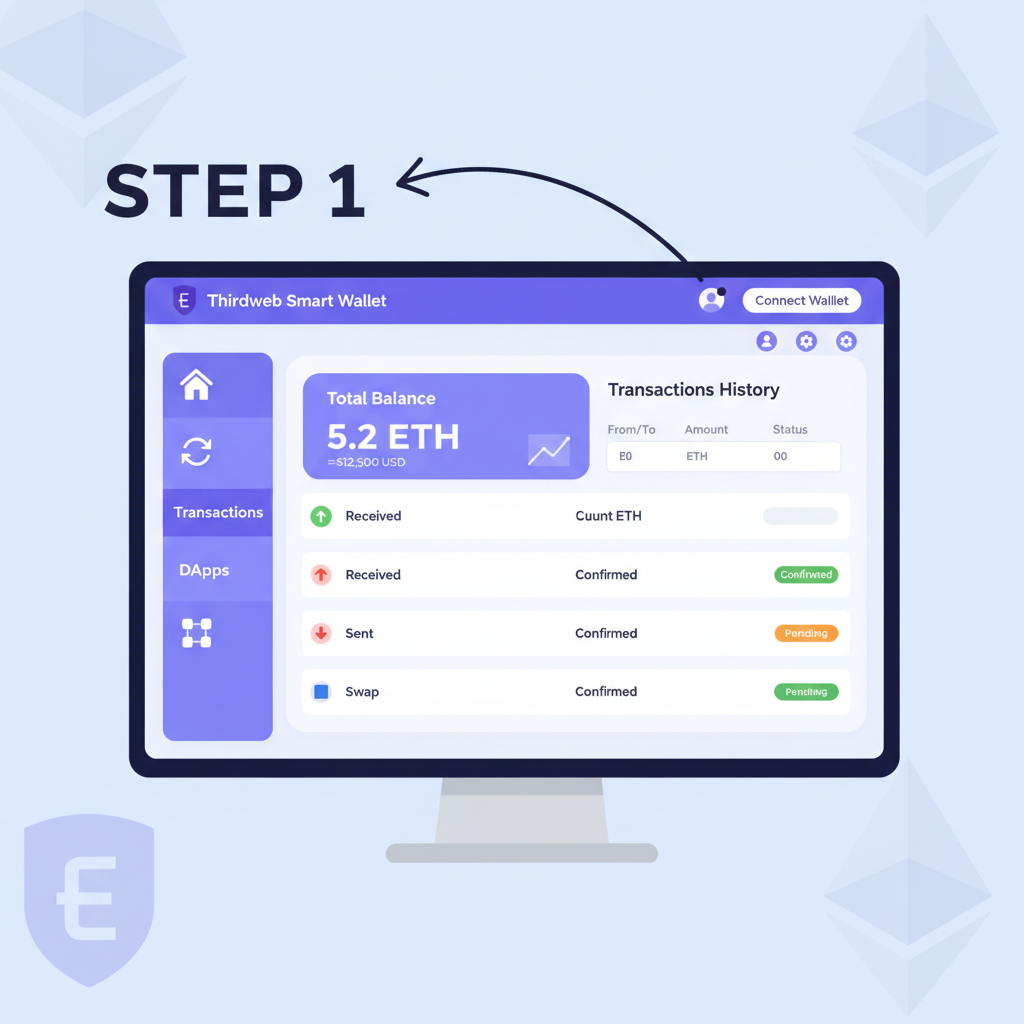
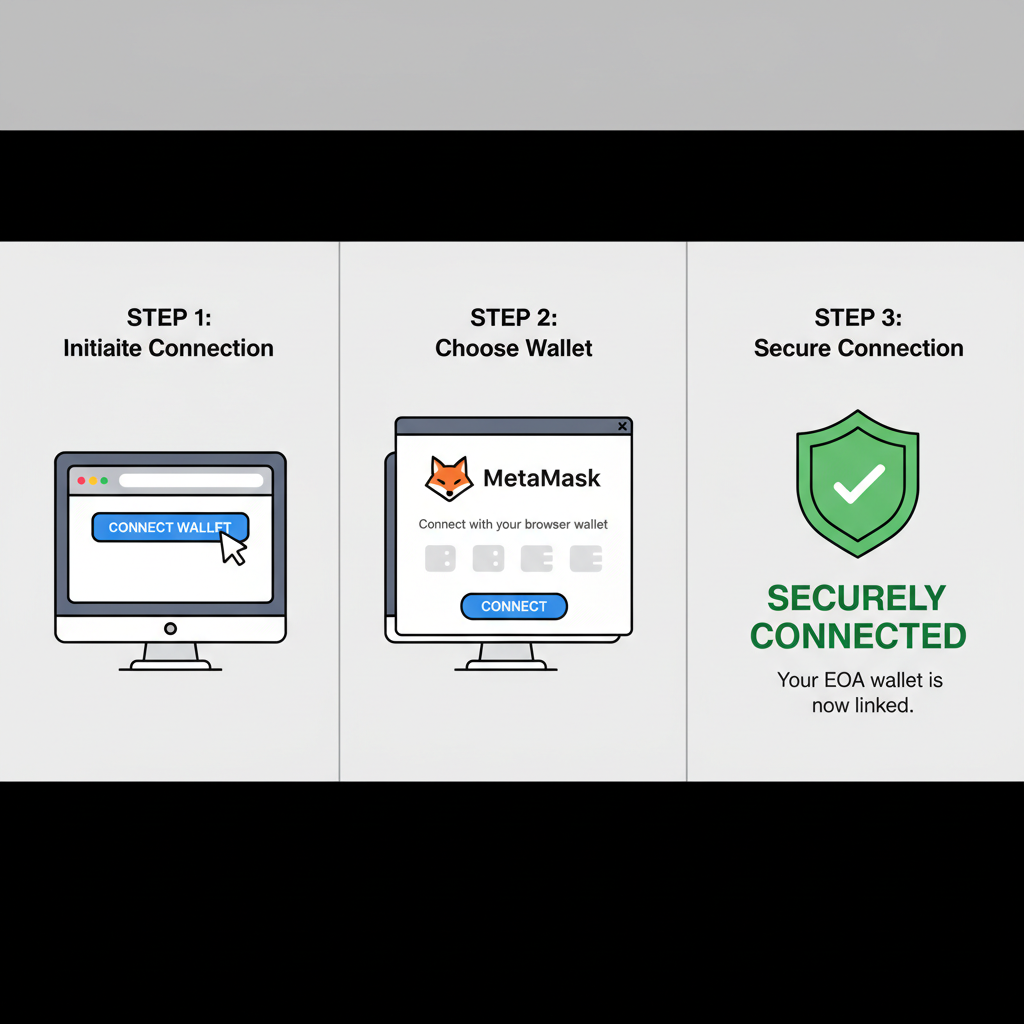
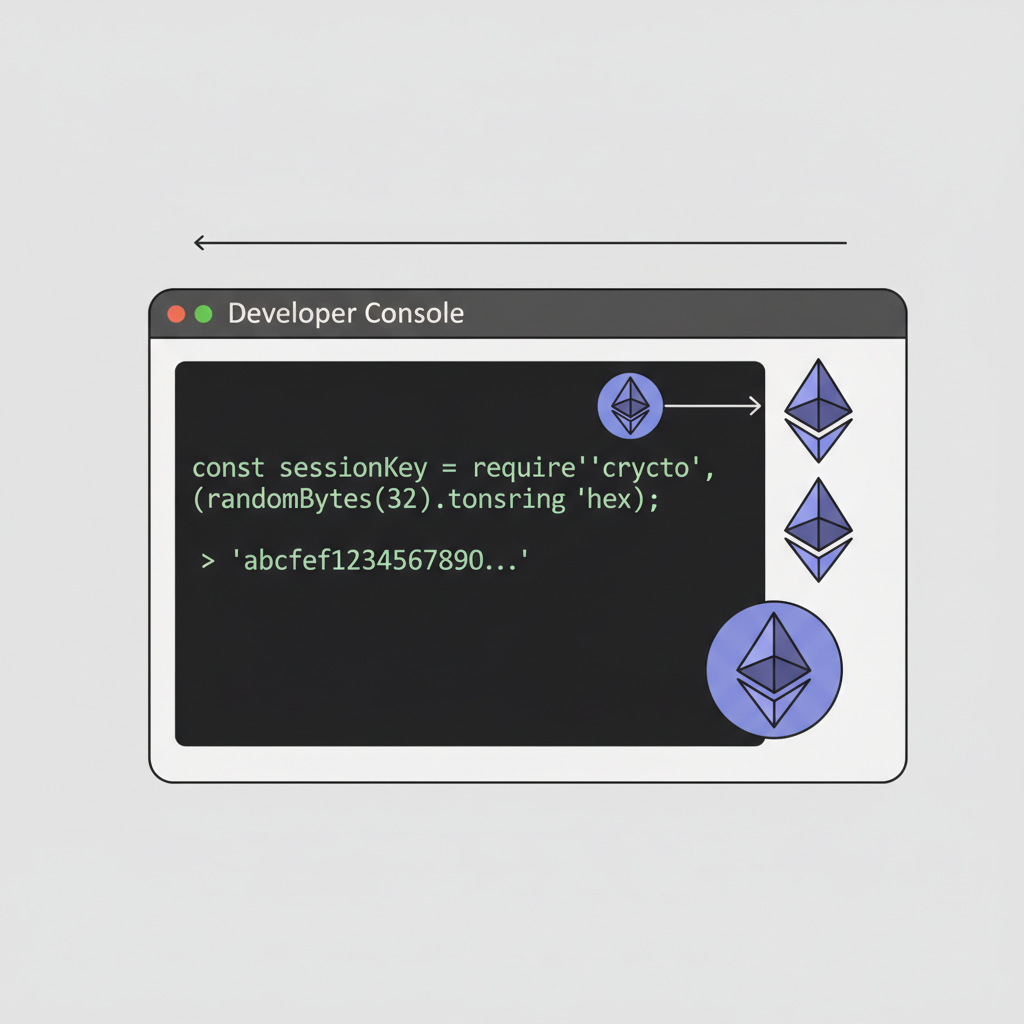
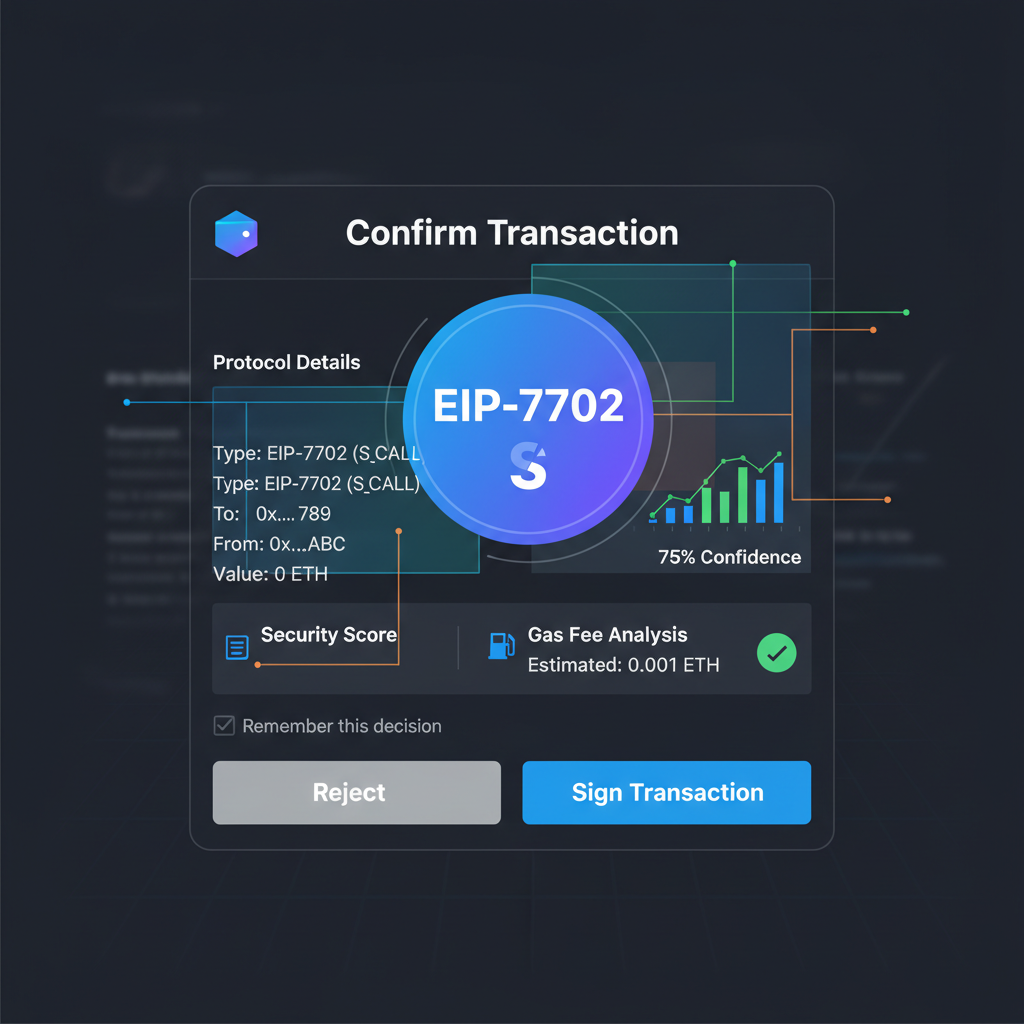
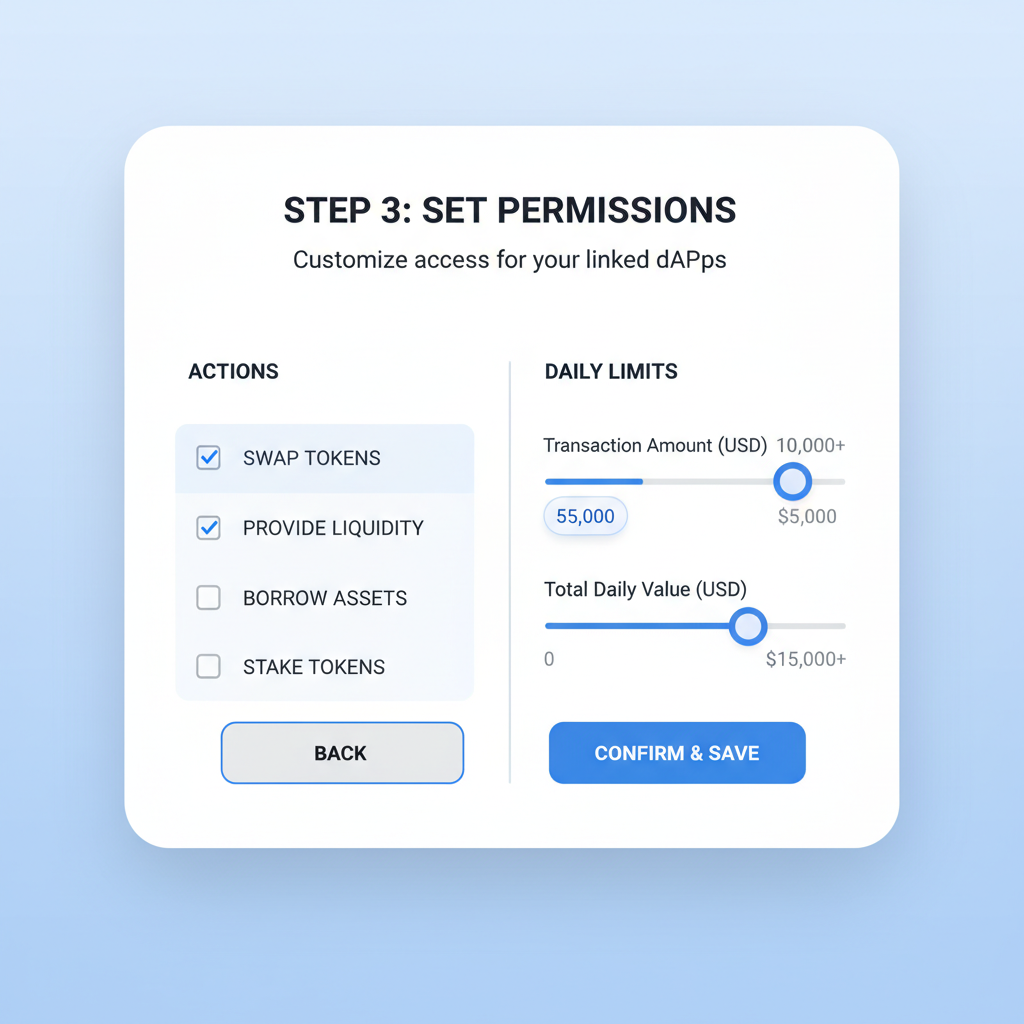
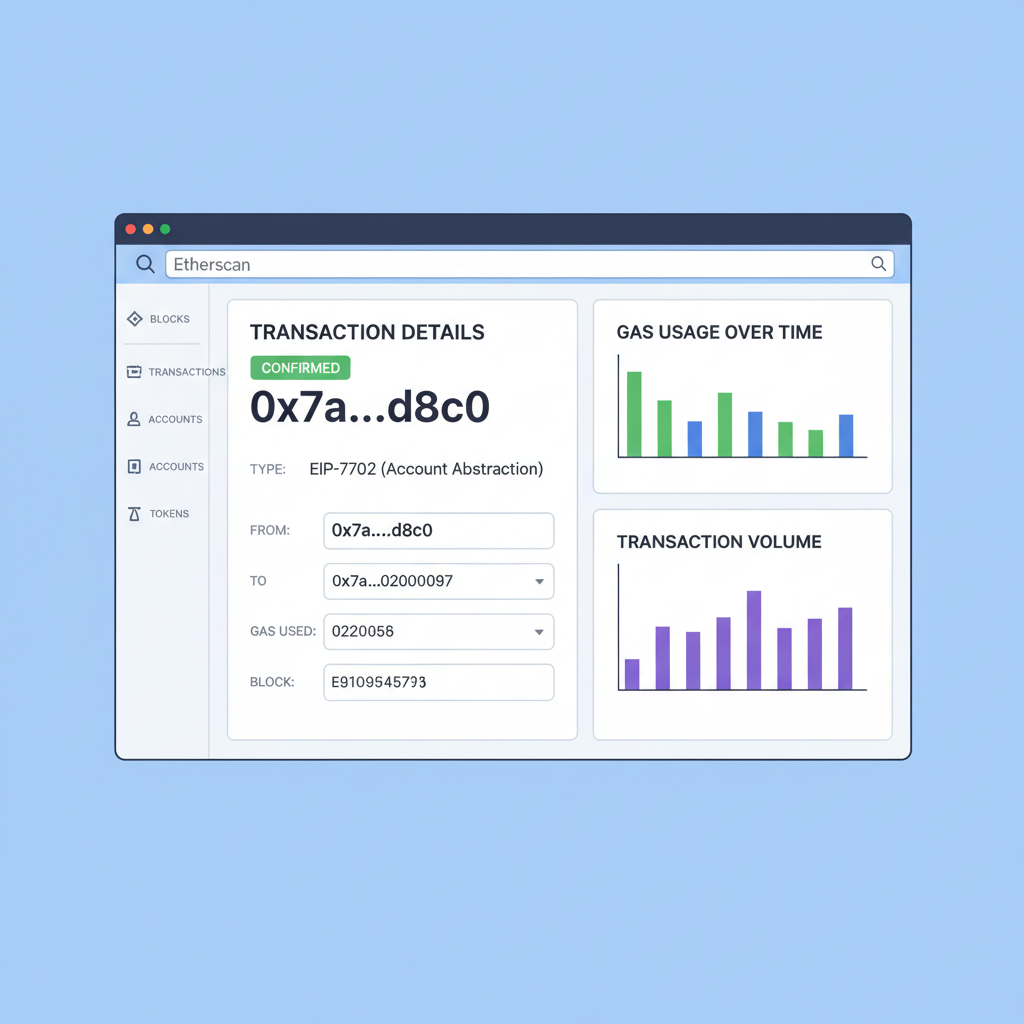
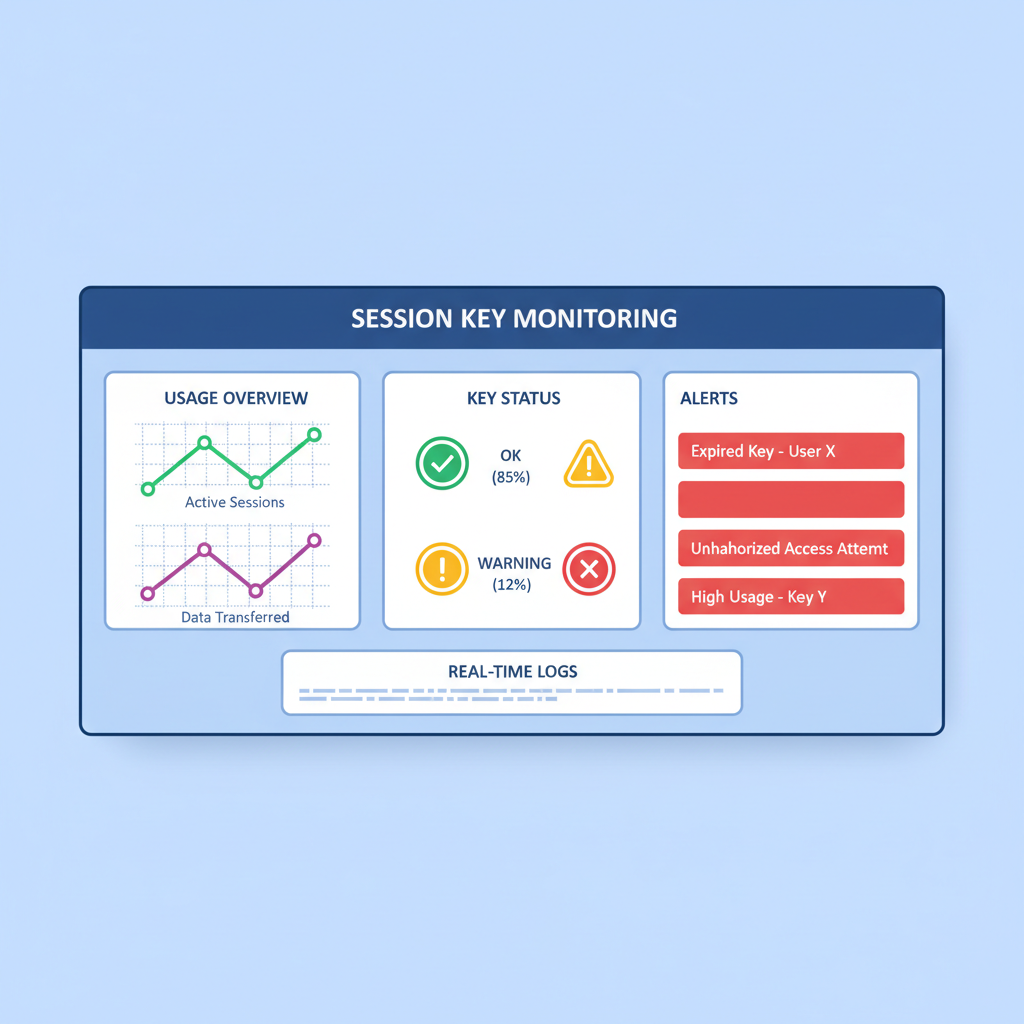
This workflow minimizes friction, transforming complex strategies into background processes. For instance, an agent could monitor liquidity pools, execute swaps when conditions align, and revoke access automatically. Yet, success hinges on precise parameter setting - overbroad scopes invite unnecessary exposure.
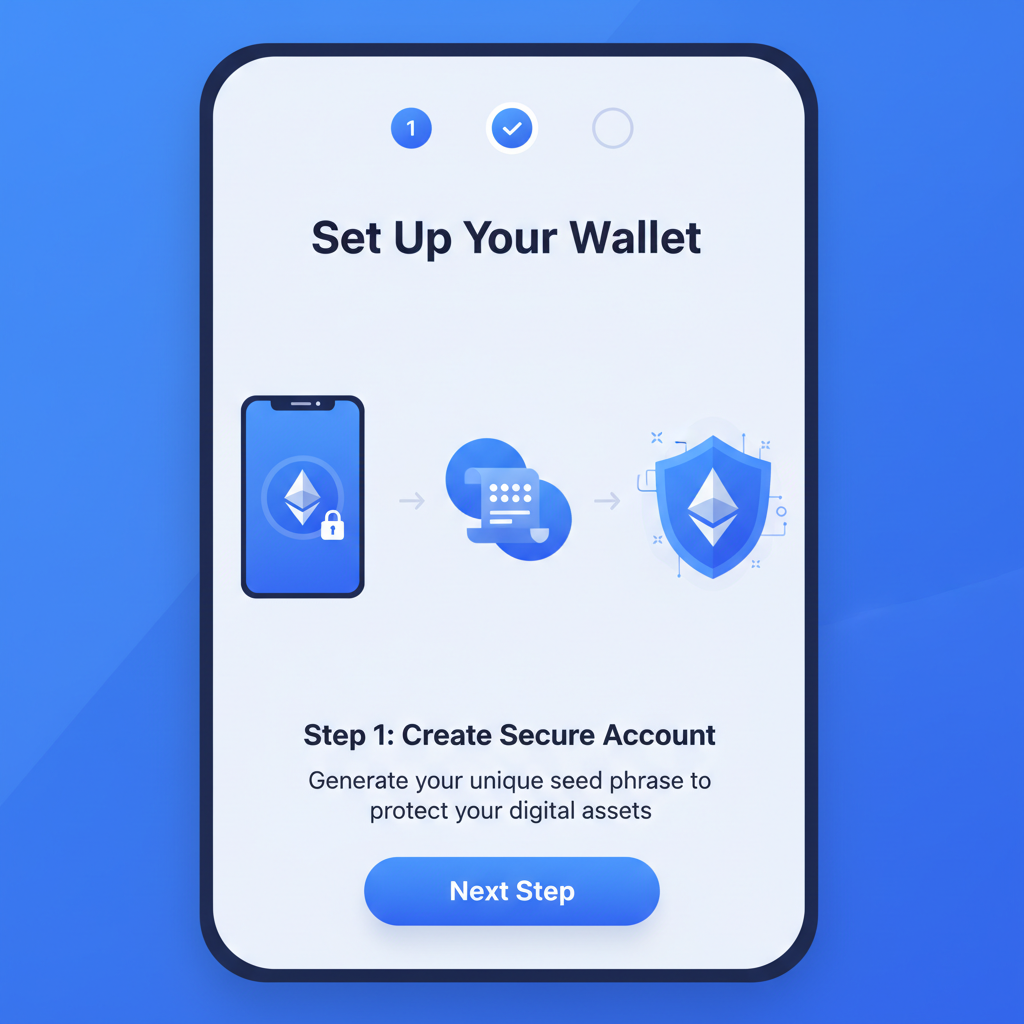
Set Up Ambire Wallet AI Agents with EIP-7702 Session Keys
Navigating Risks in the AI-Agent Era
While EIP-7702 accelerates account abstraction EIP-7702, it amplifies vulnerabilities. Blockaid's post-Pectra analysis flags malicious upgrades and session key exploits, with over 11,000 authorizations demanding vigilant simulation. Privy and Alchemy recommend multi-signature confirmations for high-value tasks, preserving the EOA's role as ultimate guardian.
From a value-oriented lens, akin to blue-chip stability, favor platforms with proven track records. thirdweb and Gelato's rapid integrations signal reliability, but untested agents risk capital erosion. Dose of DeFi highlights Bitte. ai's DeFi embeddings as promising, provided session keys enforce strict bounds.
Web3Auth's explanations underscore the contract_code field's potency, yet underscore revocability as the linchpin. Investors eyeing Ethereum's $2,000.26 resilience should view EIP-7702 as an efficiency enhancer, not a speculative lever.
Biconomy's app guides affirm UX gains, positioning session keys as the disciplined path to programmable wallets. As adoption swells, those integrating thoughtfully will capture sustainable edges in DeFi's maturing arena, balancing innovation with enduring prudence.




No comments yet. Be the first to share your thoughts!