


In 2026, the fusion of EIP-7702 session keys and AI agents is redefining smart wallet AI agents in Web3. No longer do users need to expose master keys for routine tasks; instead, temporary permissions allow autonomous models to handle Web3 task automation with precision. Picture your wallet rebalancing a DeFi portfolio overnight, executing trades based on real-time market signals, all while your primary control remains untouched. This isn’t science fiction; it’s the reality powered by Ethereum’s Pectra upgrade, where externally owned accounts (EOAs) temporarily behave like smart contracts.

EOAs vs. EIP-7702 Enhanced Accounts: Enabling AI Agents, Session Keys & Web3 Automation
| Feature | Traditional EOA | EIP-7702 Enhanced Account |
|---|---|---|
| Account Control | Private key only – full exposure risk | Temporary delegation to smart contracts – master keys secured 🔒 |
| Session Keys | Not supported | Supported ✅ – Scoped permissions for AI agents (e.g., budget limits, time-bound) |
| Batch Transactions | Single tx only | Yes – Batched execution via wallet_sendCalls |
| Gas Sponsorship | User pays all gas | Supported – Third-party sponsorship possible |
| AI Agent Integration | Limited – Manual approvals needed | Full automation – Agents execute tasks autonomously with constraints |
| Web3 Automation (Ambire Wallet) | Basic smart account features | Advanced – Delegate permissions directly for DeFi, gaming, payments |
| Migration Required | N/A | None – Upgrades existing EOAs seamlessly |
| Security Considerations | High key exposure | Scoped risks – Malicious exploitation possible; requires careful permission management ⚠️ |
From my experience managing multi-asset portfolios, discipline in delegation is key. Session keys Ethereum agents embody this principle, granting scoped access for specific actions like batch transactions or gas sponsorships. Platforms such as thirdweb and Rhinestone have baked in support, letting developers deploy account abstraction AI features without forcing wallet migrations. Yet, this power demands vigilance; recent exploits highlight the risks of lax permission scopes.
Session Keys: The Secure Bridge for AI-Driven Wallets
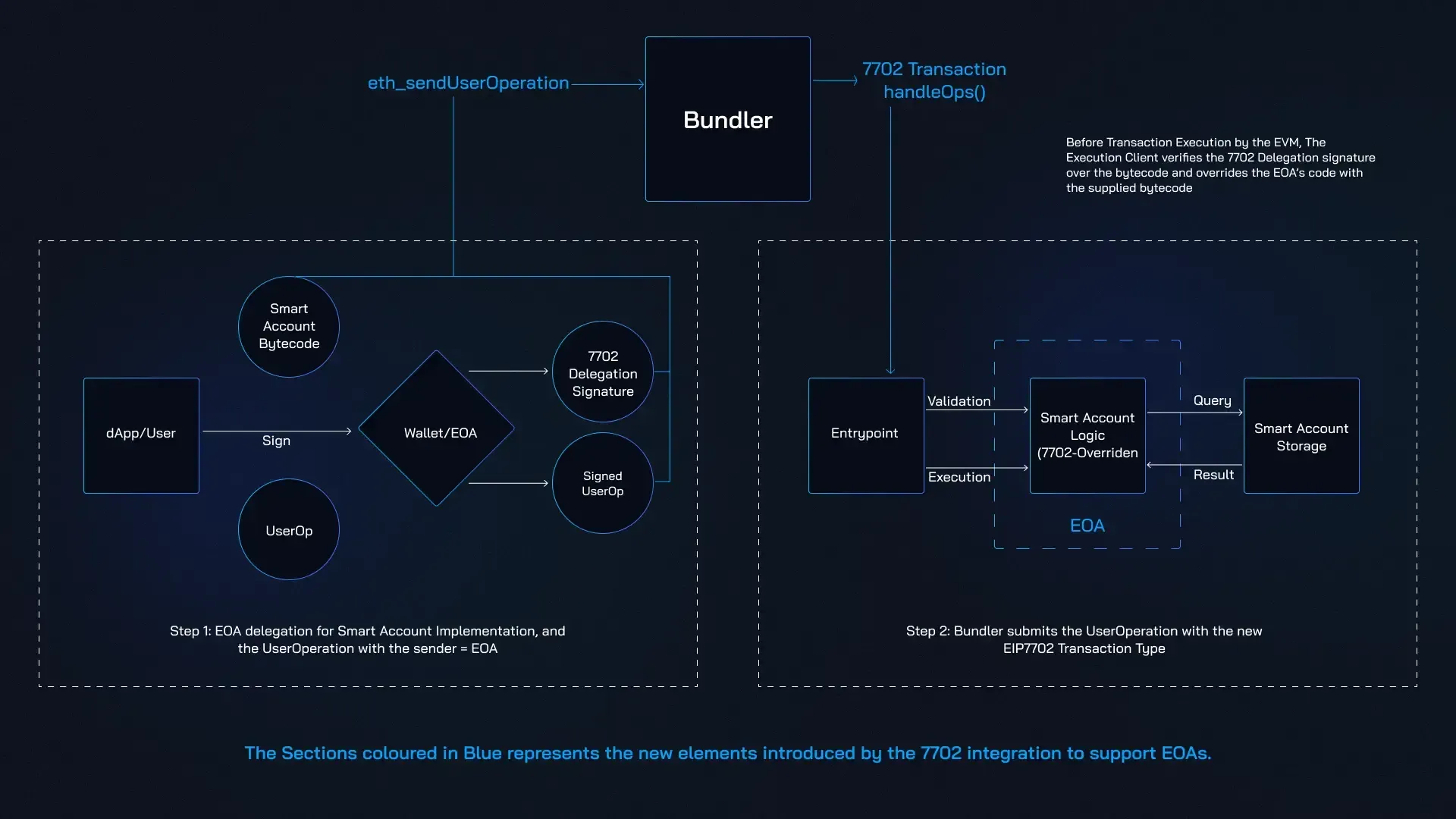
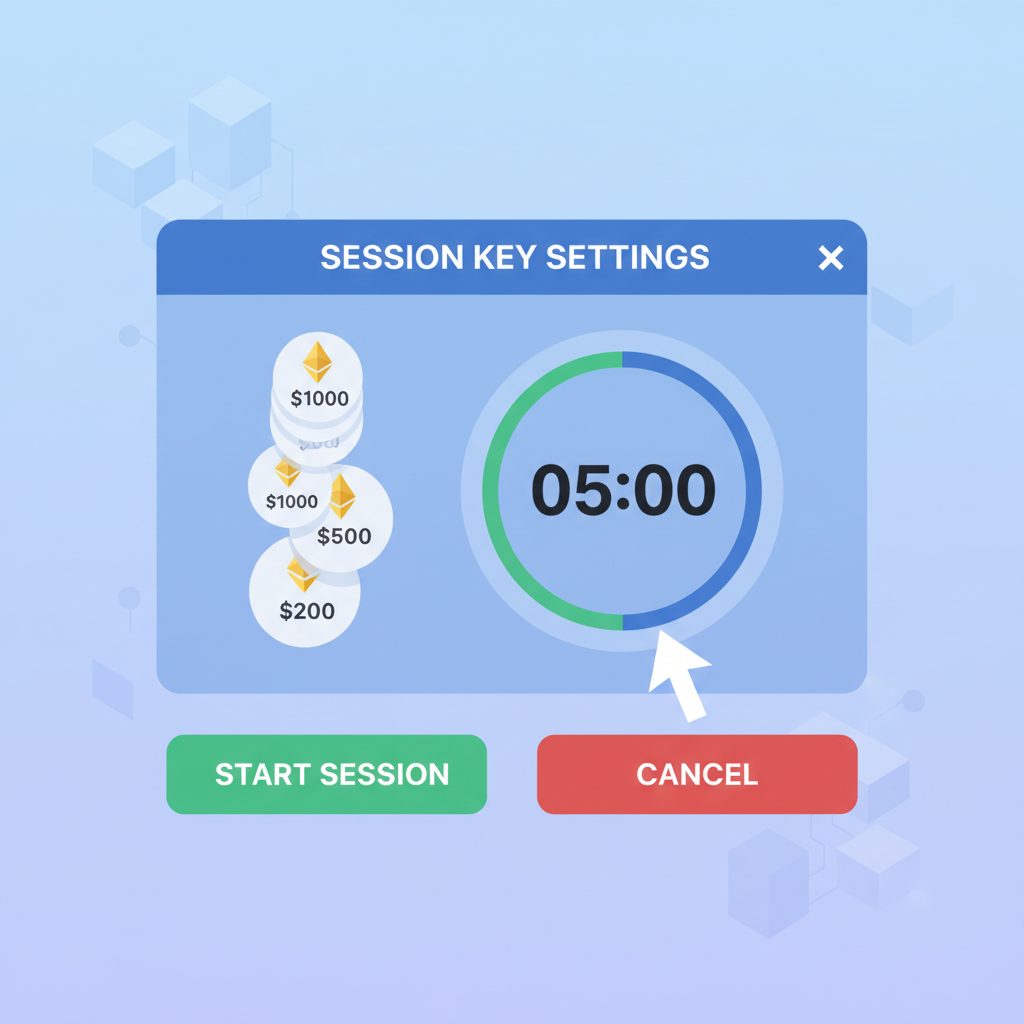
EIP-7702 introduces transaction type 0x04, enabling EOAs to delegate execution to smart contracts for a single operation. Session keys take this further, acting as ephemeral credentials with built-in limits on value, contracts, and duration. For AI agents, this means approving a model to swap tokens within a $10,000 budget or claim gaming rewards without broader access.
Consider automated DeFi strategies: an AI scans liquidity pools, identifies arbitrage, and executes via session keys. Users approve once, setting constraints like “only Uniswap V4, max 2% slippage. ” This mirrors traditional risk management, where position sizing prevents outsized losses. In my view, it’s a disciplined evolution from rigid smart accounts under ERC-4337, blending flexibility with control.

From EOAs to Intelligent Executors: Account Abstraction in Action
Account abstraction has long promised user-centric wallets, but EIP-7702 delivers it natively. EOAs gain batched calls via wallet_sendCalls, multi-sig-like approvals, and session keys, eliminating the smart contract wallet divide. AI agents thrive here, orchestrating complex workflows: recurring payments for subscriptions, yield optimization across protocols, or even NFT minting during drops.
Take portfolio rebalancing, a staple in my FRM toolkit. An AI agent uses session keys to monitor asset correlations, rotate holdings when thresholds breach, and sponsor gas from a dedicated pool. No manual intervention, yet full auditability via on-chain traces. Sources like QuillAudits emphasize how this era simplifies transactions while fortifying security, though developers must define granular permissions to counter malicious delegations.
Key EIP-7702 Session Key Features
-
Scoped Permissions: Granular control over specific actions, like contract calls, approved for AI agents without exposing master keys.
-
Budget Limits: Predefined spending caps to restrict total value transacted by session keys.
-

Time-bound Access: Temporary permissions that expire after a set duration for security.
-

Batch Execution: Supports batched transactions via wallet_sendCalls for efficiency.
-

Gas Sponsorship: Enables third parties to cover gas fees for delegated operations.
Developer Tools and Real-World Deployments
Building with EIP-7702 is straightforward, thanks to guides like HackerNoon’s code walkthroughs. Start with an EOA, authorize a delegation to a smart contract implementing session logic, and let AI agents interface via APIs. Blockaid’s safeguards, such as permission simulators, help teams audit risks pre-deployment.
In practice, Ambire Wallet showcases this synergy, where agents delegate directly for autonomous ops. By March 2026, adoption spans DeFi, gaming, and payments, with agents as primary blockchain actors. However, security incidents underscore a truth: flexibility amplifies threats. Robust measures, like multi-layered approvals and expiration enforcements, are non-negotiable for sustainable Web3 task automation.
This foundation sets the stage for agent economies, where smart wallets evolve into proactive partners, not passive vaults.
Security remains the linchpin in this shift toward account abstraction AI. Recent exploits, where attackers hijacked session keys through phishing or faulty scopes, drained millions from unsuspecting users. In my years balancing portfolios, I’ve seen how small permission leaks cascade into disasters. EIP-7702’s strength lies in its constraints, but only if wielded wisely: always cap budgets, tie keys to specific contracts, and enforce short expirations. Tools from Blockaid simulate attacks, revealing blind spots before launch.
Code in Action: Implementing Session Keys for AI Agents
Developers can prototype this quickly. A basic delegation authorizes an AI agent’s smart contract to execute swaps on Uniswap within limits. Here’s a snippet adapted from HackerNoon guides, using Solidity for the session key logic.
EIP-7702 Session Key Delegation: Scoped Uniswap Swap Approval
The smart wallet contract approves a session key for executing scoped swaps on Uniswap. The approval specifies the Uniswap router address, a maximum value budget, an expiration timestamp, and the swap function selector. This permission is checked by the session key contract during EIP-7702 delegation.
```solidity
// SPDX-License-Identifier: MIT
pragma solidity ^0.8.20;

contract SmartWallet {
    struct SessionData {
        address target;     // e.g., Uniswap V2 Router
        uint256 maxValue;   // Budget limit for swaps
        uint256 expiration; // Timestamp when permission expires
        bytes4 selector;    // Function selector, e.g., swapExactETHForTokens.selector
    }

    mapping(address => SessionData) public sessionKeys;

    /// @notice Approve a session key for scoped Uniswap swap operations
    /// @dev This enables EIP-7702 delegation where the session key contract validates against this data
    function approveSessionKey(
        address sessionKey,
        address target,
        uint256 maxValue,
        uint256 expiration,
        bytes4 selector
    ) external {
        require(expiration > block.timestamp, "Invalid expiration");
        require(maxValue > 0, "Invalid budget");

        sessionKeys[sessionKey] = SessionData({
            target: target,
            maxValue: maxValue,
            expiration: expiration,
            selector: selector
        });
    }

    // Additional validation would occur in the session key contract
    // invoked via EIP-7702 code delegation
}
```
With this delegation in place, an AI agent using the session key can perform Uniswap swaps within the defined constraints, enhancing security by limiting the key’s capabilities and duration.
This code sets a nonce, value cap, and target contract, ensuring the AI can’t stray. Integrate it with thirdweb’s SDK, and your smart wallet AI agents gain autonomy without anarchy. Test on Pectra testnets first; real chains demand precision.
Real-world deployments illuminate the potential. In DeFi, agents like those from Ambire optimize yields by rotating positions across Aave and Compound, using session keys for gasless claims. Gaming platforms let AI farm rewards or trade items, approving drops without wallet exposure. Payments become seamless: recurring stablecoin drips for DAOs, all under tight scopes. By March 2026, BlockEden reports agents as invisible power users, handling 40% of Ethereum volume invisibly yet accountably.
Secure EIP-7702 Session Keys: 5 Best Practices for AI Agents
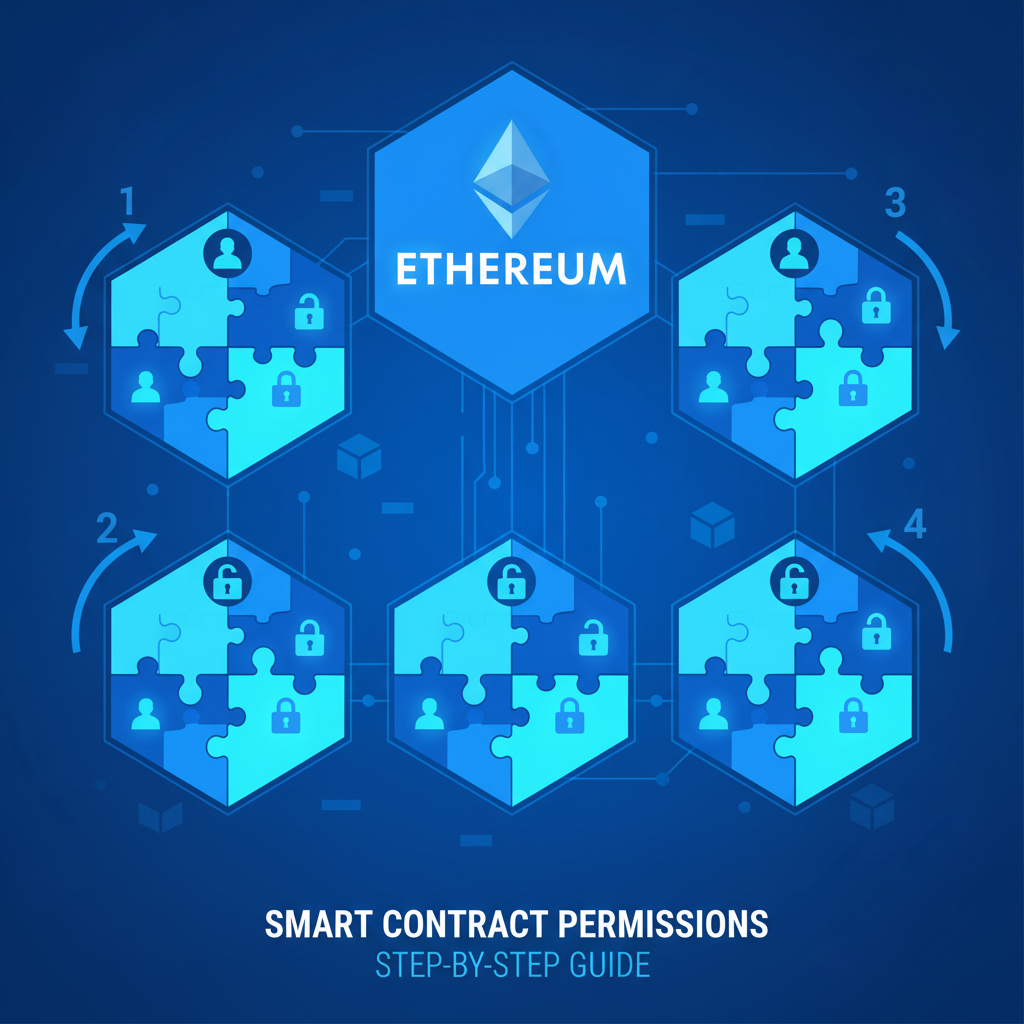
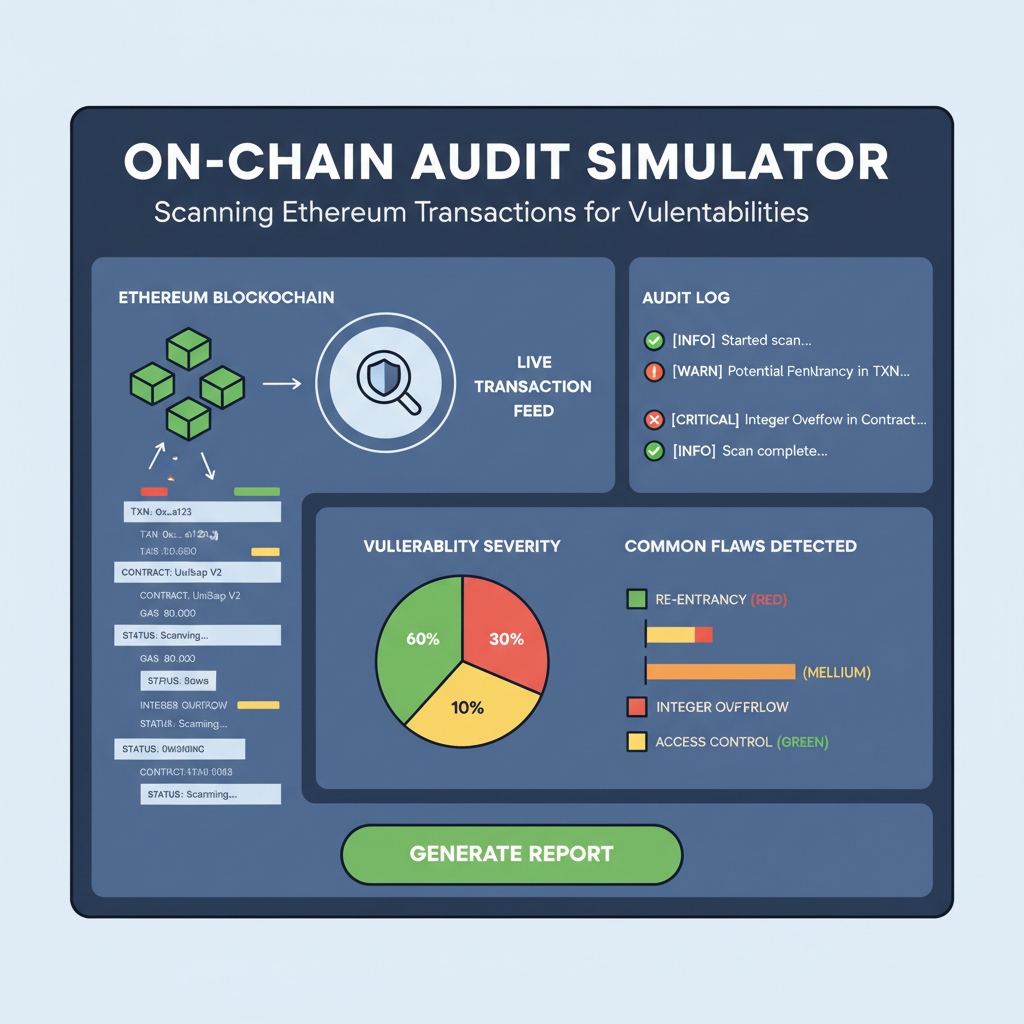
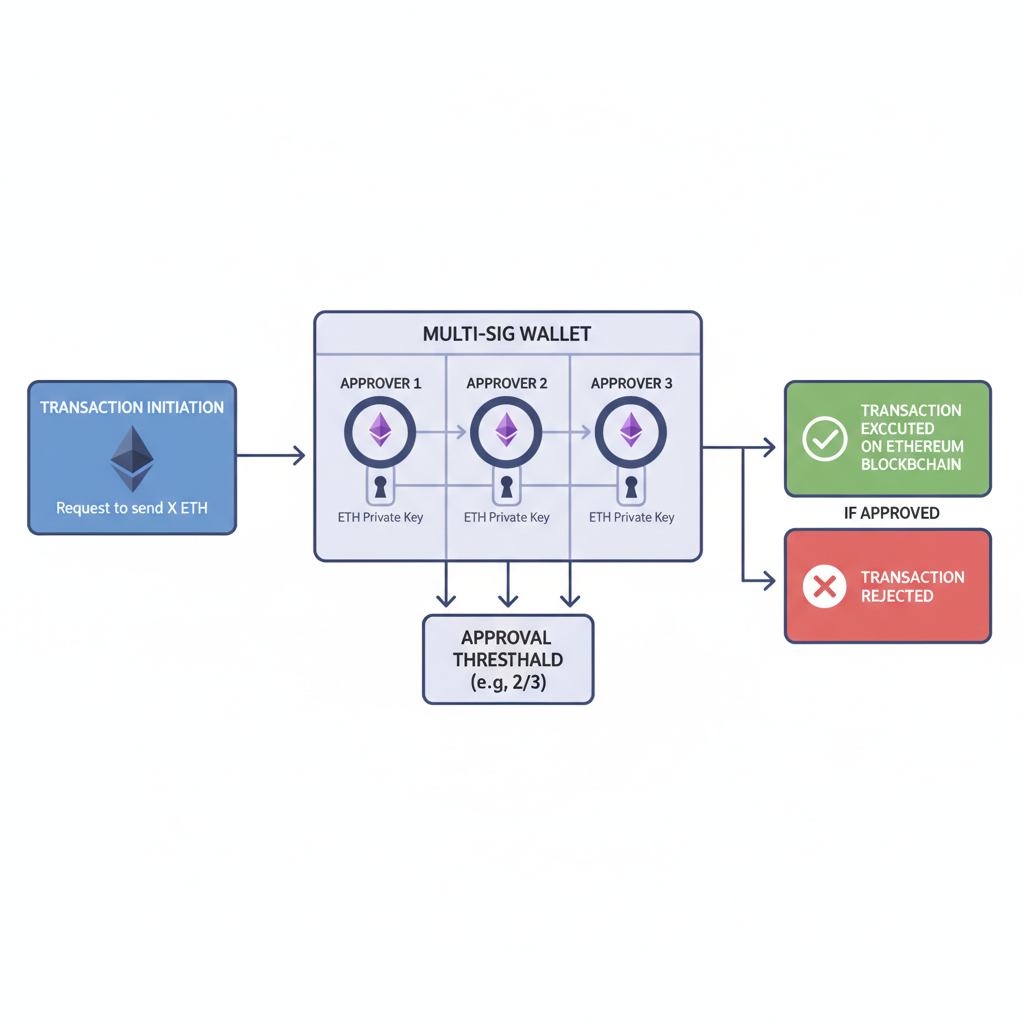

Adhering to this checklist mirrors disciplined trading: define rules upfront, audit relentlessly, adjust based on data. Platforms like Rhinestone automate much of it, generating keys with UI prompts. Yet, human oversight endures; AI excels at execution, not foresight.
Looking ahead, 2026 predictions from DEV Community point to agent-specific wallets, embedding budget limits natively. Imagine AI collectives pooling session keys for collaborative trades, or cross-chain ops via bridges secured by EIP-7702. CoinsBench notes transaction type 0x04’s role in on-chain wallets, evolving EOAs into hybrids. Security evolves too; expect zero-knowledge proofs verifying agent intents pre-execution.
For portfolio managers like me, this means diversified, automated strategies at scale. No more weekend checks on correlations; agents handle rebalances with session precision, freeing focus for alpha hunts. Web3’s friction fades, replaced by intuitive delegation. Decentralized Security highlights multi-sig in EOAs, closing the gap with custodians while preserving self-sovereignty.
QuillAudits frames it aptly: EIP-7702 ushers account abstraction’s maturity, simplifying yet securing Web3. As adoption surges, session keys Ethereum agents will underpin economies where wallets anticipate needs, not just react. The discipline of scoped permissions ensures growth without ruin, turning smart accounts into indispensable allies in blockchain’s next chapter.
About the Author