


In the evolving landscape of blockchain, where Ethereum trades at $1,939.45 after a 2.70% dip over the past 24 hours, developers and users seek tools that blend security with automation. EIP-7702 session keys emerge as a pivotal innovation, transforming smart wallets into platforms for AI agents that execute autonomous tasks without compromising control. This standard empowers Externally Owned Accounts (EOAs) to delegate execution temporarily, fostering a new era of account abstraction AI blockchain interactions.

Traditional EOAs, reliant on private keys for every action, limit efficiency in high-frequency scenarios. Smart wallets, powered by ERC-4337, introduced bundling and sponsorships, yet migration hurdles persisted. EIP-7702 bridges this divide by introducing transaction type 0x04, allowing EOAs to invoke smart contract logic per transaction. This means no address changes; your existing wallet gains session keys EIP-7702 developers cherish for granular permissions.
Delegating Control Safely with EIP-7702 Mechanics
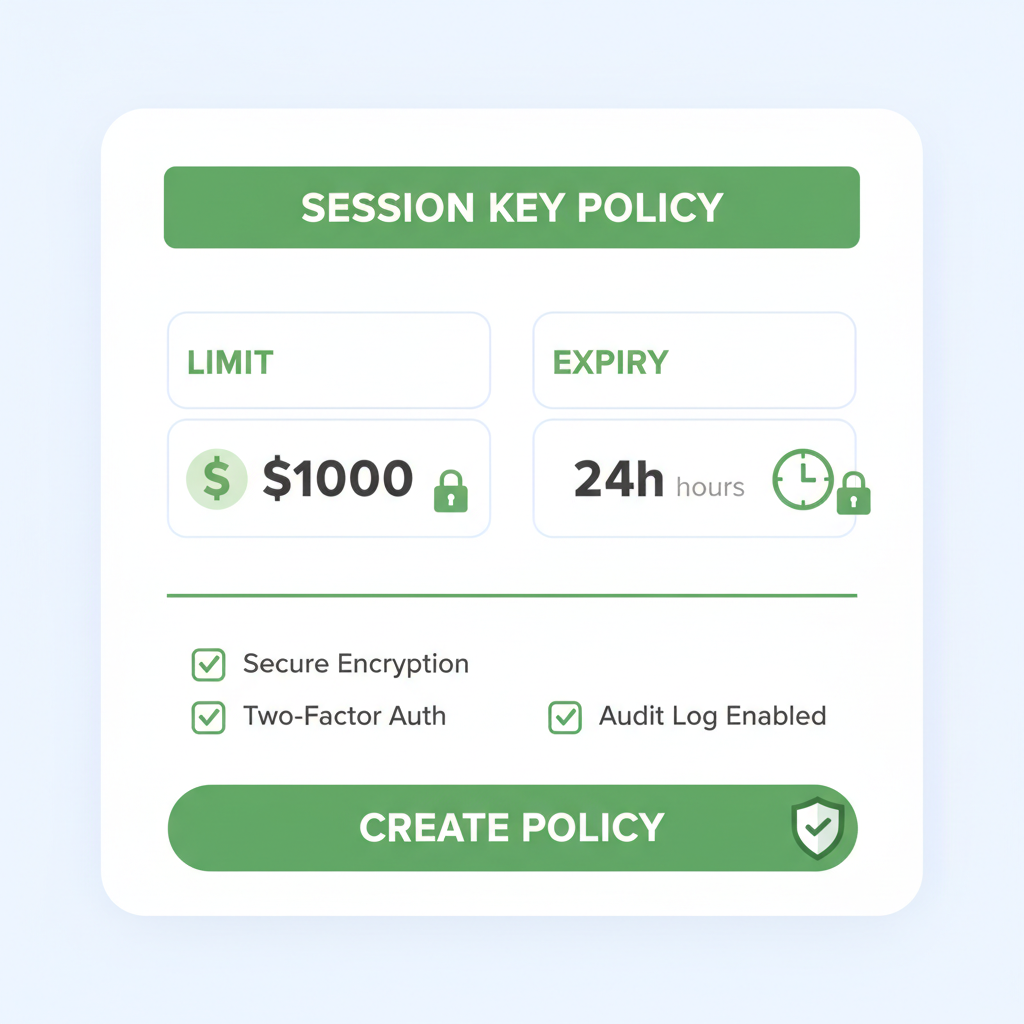
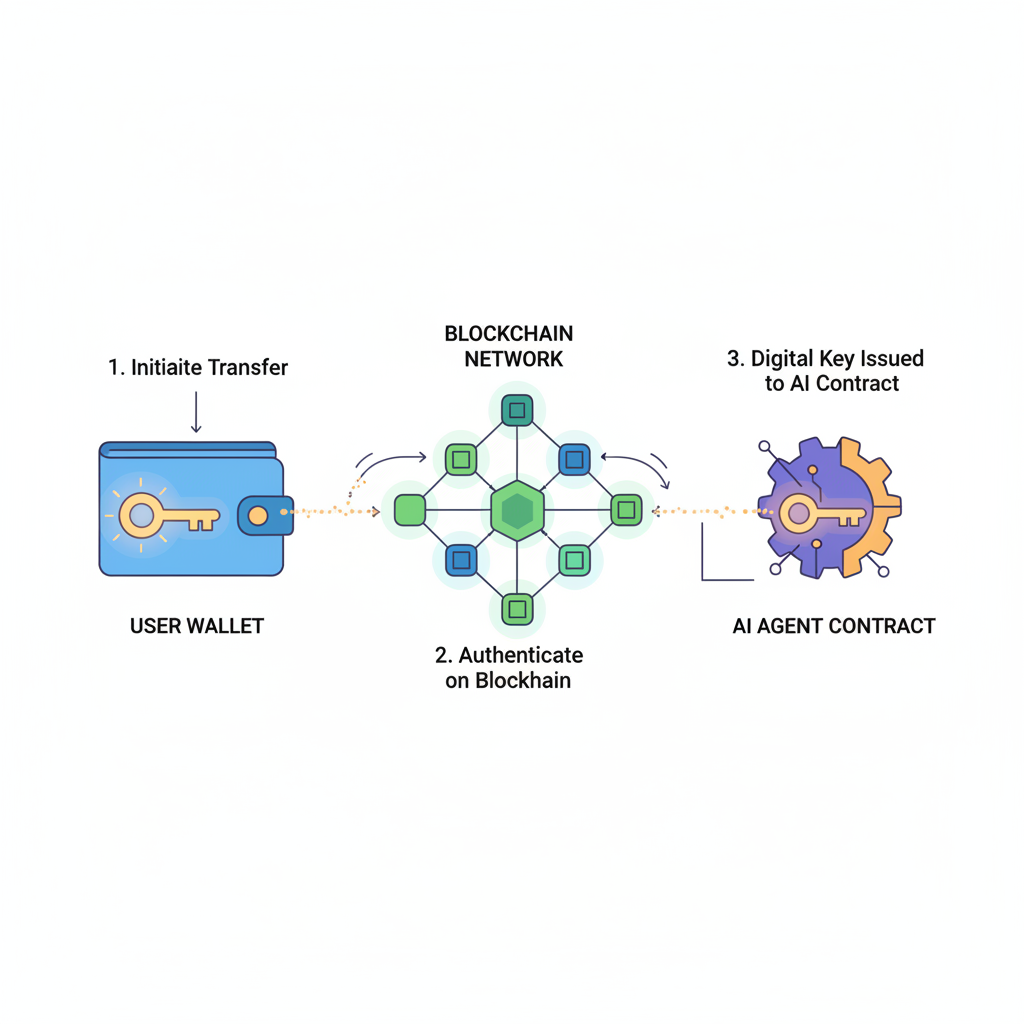
At its core, EIP-7702 uses a delegation mechanism where an EOA signs a transaction authorizing a smart contract’s code execution. Imagine issuing a session key to an AI agent: it can swap tokens up to $1,000 during market dips below $1,939.45, but expires after 24 hours. This ephemeral permission mitigates risks associated with permanent key exposure.
Session keys function as lightweight, policy-bound authorizations. Developers define constraints like value limits, time windows, or approved contracts. In practice, an AI agent in a smart wallet monitors ETH’s 24-hour low of $1,927.72, then autonomously buys if conditions align, all without user intervention. This setup evolves wallets from passive storage to proactive strategists, aligning with my view that markets reward patient, automated observers.
EOA vs Smart Wallets with EIP-7702: Feature Comparison
| Feature | EOA | Smart Wallet (ERC-4337) | EIP-7702 Enhanced |
|---|---|---|---|
| Migration Needed | No ✅ | Yes ❌ | No ✅ |
| Transaction Batching | No ❌ | Yes ✅ | Yes ✅ |
| Gas Sponsorship | No ❌ | Yes ✅ | Yes ✅ |
| Session Keys | No ❌ | Yes ✅ | Yes ✅ |
| AI Autonomy | No ❌ | Yes ✅ | Yes ✅ (AI Agent Optimized) |
Integrating Session Keys for AI-Driven Autonomy
AI agents thrive under EIP-7702 because session keys provide the security layer for autonomous Web3 tasks. Consider a DeFi yield optimizer: the agent receives a session key permitting deposits into vetted protocols, capped at 10% of portfolio value. If ETH rebounds toward its 24-hour high of $2,035.08, it reallocates funds seamlessly.
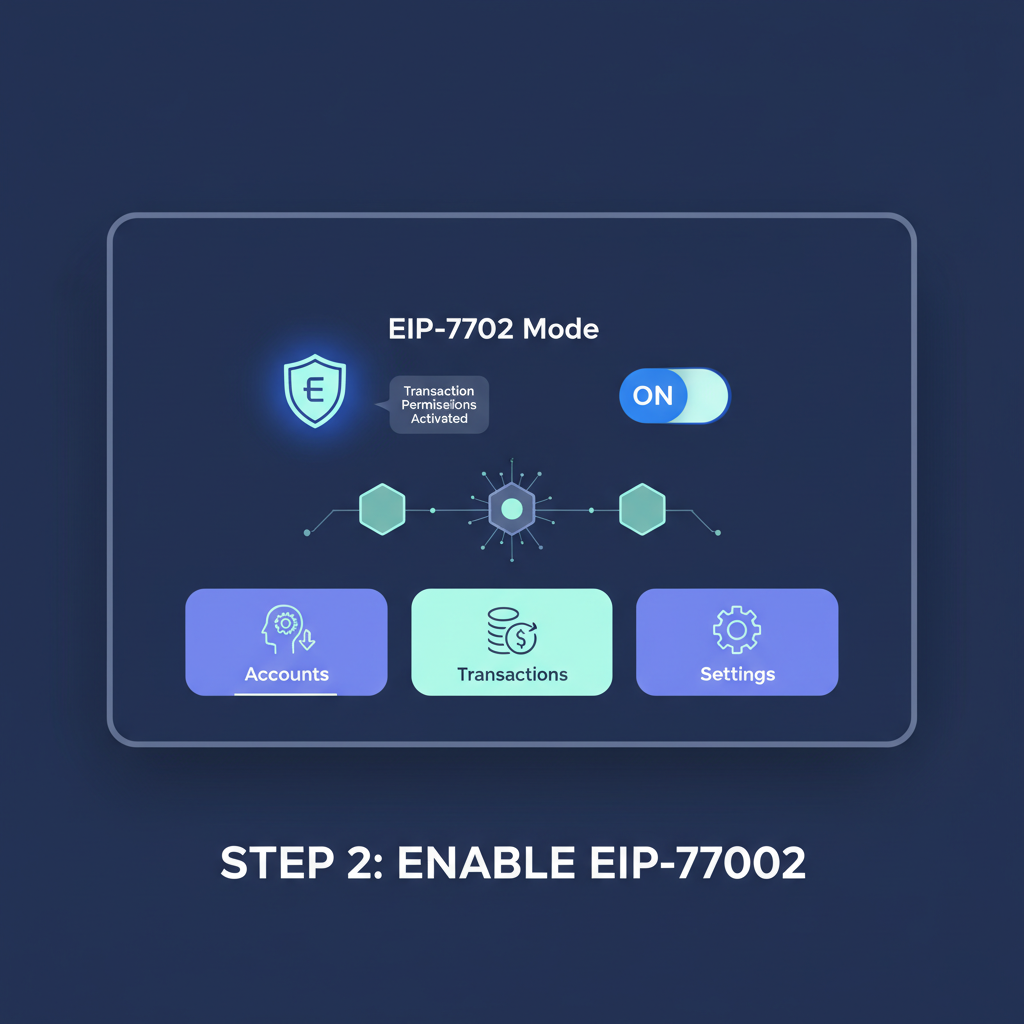
Implementation demands precision. Wallets like those from thirdweb or Openfort configure EIP-7702 mode, generating session keys via modular policies. This granular control prevents overreach; an agent cannot drain funds or access unrelated assets. From a fundamental perspective, akin to hedging bonds against inflation, these keys insulate users from volatility while capitalizing on opportunities.
Real-World Applications and Developer Strategies
Picture an NFT trader’s AI agent: granted a session key for listings under $500 during ETH’s current consolidation around $1,939.45. It scans markets, executes via delegated calls, and revokes post-task. This autonomy scales to complex workflows, like cross-chain bridging or perpetuals management, all secured by time-bound keys.
Yet, risks linger: improper policy design invites exploits. Delegatecall vulnerabilities, highlighted in smart wallet audits, underscore rigorous testing. Developers should embed multi-sig confirmations for key issuance and audit session modules. My 18 years analyzing cycles affirm: true innovation balances aggression with caution, much like positioning for macro shifts.
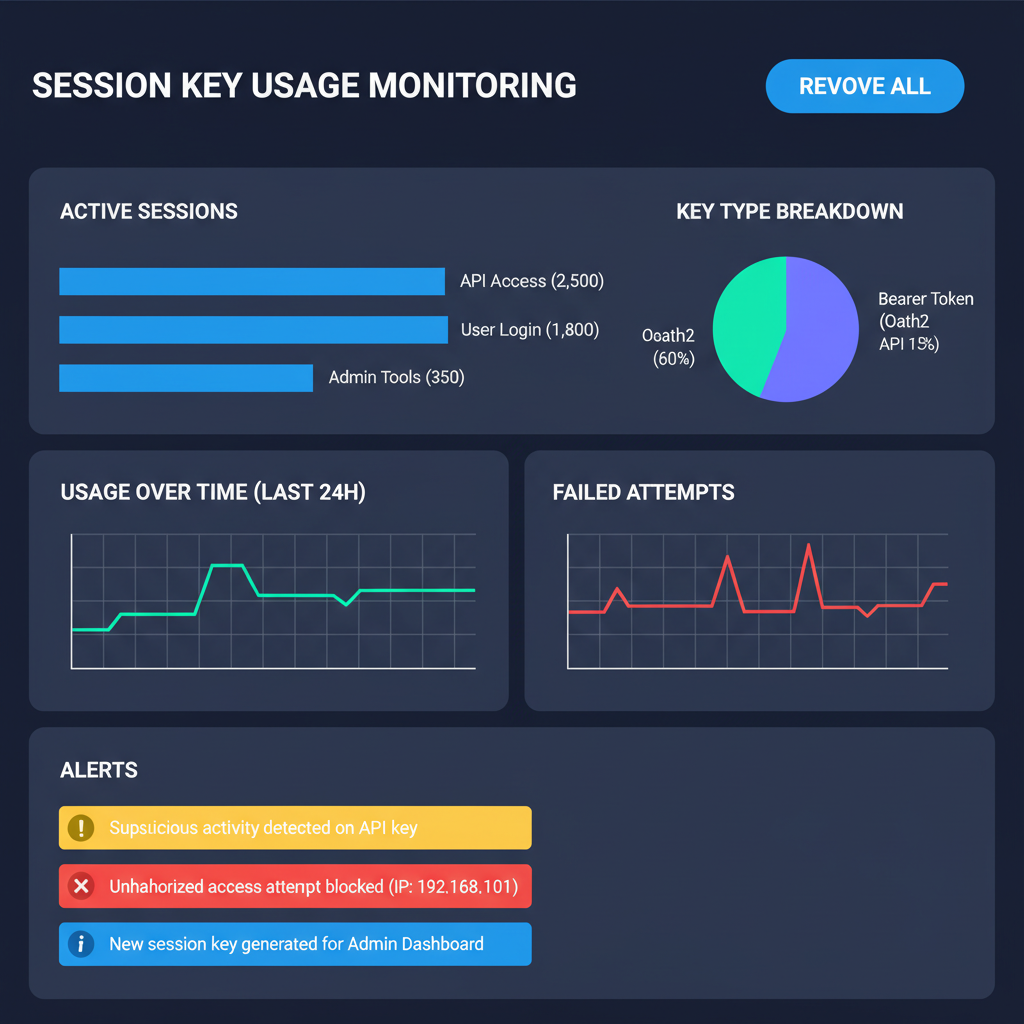
Navigating these pitfalls requires a structured approach to session key management. Prioritize modular designs where policies are upgradable and revocable at any moment. Tools from platforms like thirdweb offer plug-and-play modules, streamlining session keys EIP-7702 developers integration while enforcing least-privilege principles. In my experience guiding institutions through turbulent cycles, such foresight separates enduring strategies from fleeting gains.
Step-by-Step Implementation for AI Agent Autonomy
Set Up EIP-7702 Session Keys for Secure AI Agent Automation
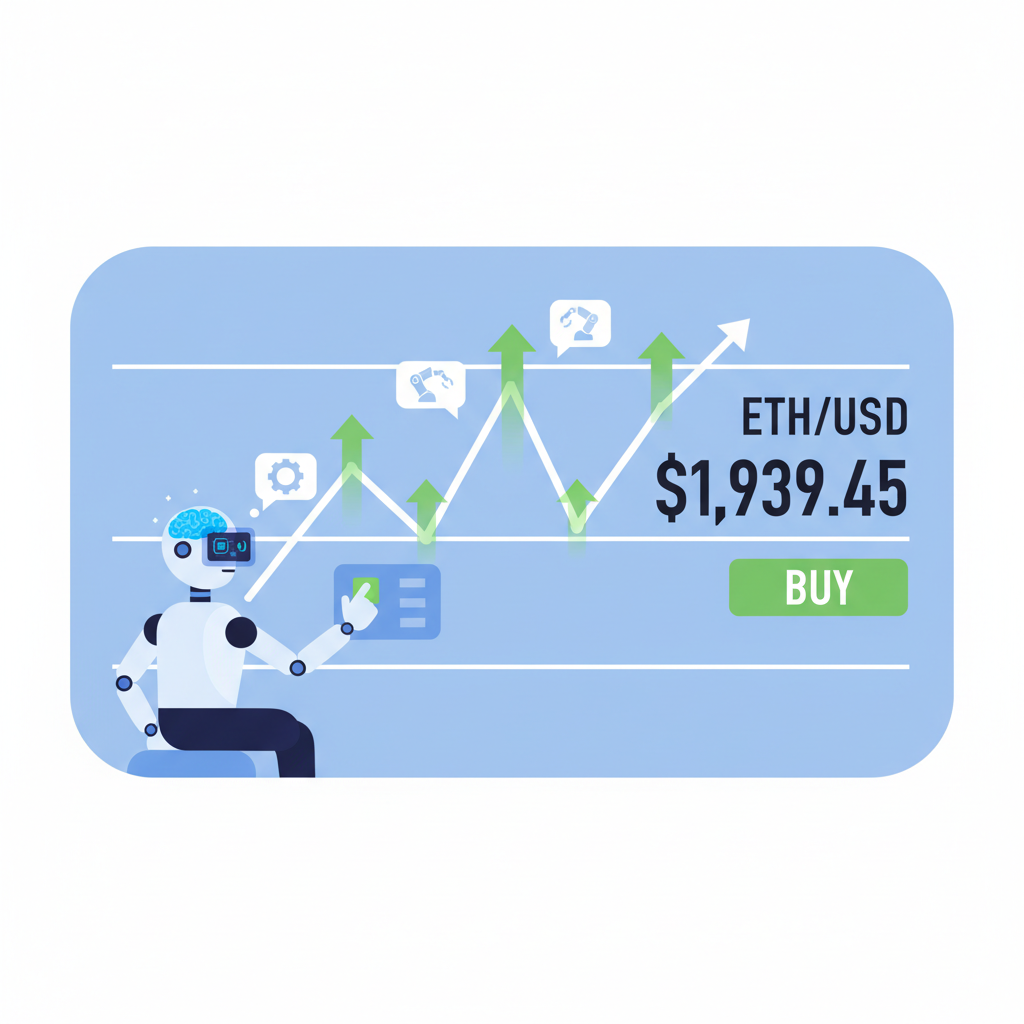
Once implemented, AI agents unlock sophisticated autonomous Web3 tasks. A trading bot, for instance, holds a session key to arbitrage stablecoins when ETH dips toward $1,927.72, executing batches that traditional EOAs cannot match. This efficiency mirrors bond laddering during rate hikes: timed actions preserve capital amid volatility.
Beyond trading, consider social DAOs where agents manage governance votes. A session key limits approvals to predefined proposals, automating participation without constant oversight. Or in gaming, agents equip NFTs based on market sentiment around ETH’s $1,939.45 level, enhancing player immersion through blockchain logic.
Security audits reveal delegatecall risks, but EIP-7702’s per-transaction nature confines damage. Pair it with paymasters for gasless execution, and costs plummet, making high-frequency AI operations viable even as ETH fluctuates 2.70% daily. Developers on Monad or Sei chains already leverage this for agentic workflows, proving scalability across L1s.
Future-Proofing with EIP-7702 and Session Keys
Looking ahead to 2026 and beyond, EIP-7702 positions AI agents smart wallets as the backbone of decentralized economies. As account abstraction matures, expect native support in wallets like MetaMask, eliminating migration entirely. Session keys will evolve with zero-knowledge proofs, verifying actions without revealing policies.
This convergence fuels my optimism for long-term holds. Inflation hedges like ETH, trading at $1,939.45 after touching $2,035.08 highs, benefit from AI oversight that rebalances portfolios autonomously. No longer must observers watch screens; smart wallets act on macro signals, much as commodities cycles reward those who automate discipline.
Institutions eyeing Web3 will demand these features: granular controls that satisfy compliance while enabling speed. Remix IDE’s EIP-7702 tools democratize access, letting builders prototype agentic apps swiftly. Yet success hinges on education; misunderstand session keys, and autonomy becomes liability.
Embrace EIP-7702 today, and your smart wallet transcends storage, becoming a vigilant partner in blockchain’s next phase. With Ethereum’s resilience amid dips, now is the moment to deploy AI agents fortified by session keys, securing tomorrow’s opportunities through methodical innovation.
About the Author